REVIEW · HIKING & TREKKING
Le Morne Brabant Hike A Journey Through History
Book on Viator →Operated by Mauritius Hikes · Bookable on Viator
Le Morne hits different. This hike mixes big ocean panoramas with real history about a refuge for escaped slaves as you climb. I like that you’re not just staring at views; your guide keeps the story moving while the trail demands attention.
I also really value the guiding style—clear, practical coaching on the tougher sections. When a guide like Létithia is on your group, you can expect solid explanations about what you’re walking through, plus helpful advice for things like “how to do the scramble,” even for an 8-year-old in one group I read about.
The one thing to factor in is physical effort: the route includes light scrambling, and it needs decent weather. If you’re not confident on uneven ground, or the day is foggy/rainy, you may find it more stressful than you planned.
In This Review
- Key highlights at a glance
- Le Morne Brabant: the views plus the escape-story
- Getting started at Haras Du Morne (and what 4 hours really means)
- From coastal vegetation to the halfway viewpoint
- Light scrambling upward: pace, footing, and guide tips that help
- Stops with meaning: learning Le Morne’s refuge role
- Summit break and big panoramic views over islands and coast
- What you really get: a bilingual guide and a private format
- Price and value: $58.73 for a 4-hour climb with story and coaching
- Should you book this hike?
- FAQ
- How long is the Le Morne Brabant hike?
- Where do we meet for the hike?
- What languages are the guides?
- Do I need special fitness for this hike?
- What happens if the weather is poor?
- Is transportation included?
Key highlights at a glance
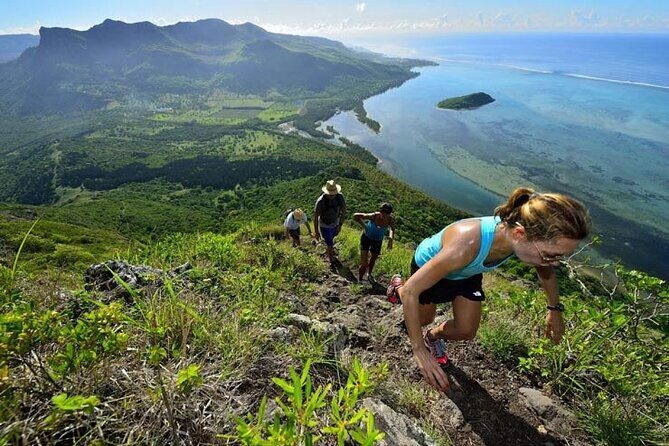
- Panoramic views at the halfway point and the summit over lagoons, coastline, and surrounding ranges
- Light scrambling sections where your guide’s technique makes a real difference
- Meaningful stops tied to Le Morne’s role as a sanctuary for escaped slaves
- English and French guide support so you can actually follow what’s happening
- Private, mobile-ticket experience that returns you to the same meeting point after about 4 hours
Le Morne Brabant: the views plus the escape-story
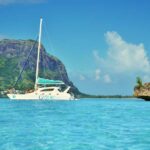
Le Morne Brabant isn’t just a “pretty mountain” stop. The hike puts you in the middle of Mauritius’ dramatic coastline—then adds a human layer that gives the whole climb more weight. You’re working up a trail with ocean air in your face, and your guide connects what you’re seeing to why this place mattered.
I like that the story isn’t treated like a side note. You reach points along the way specifically to talk about Le Morne’s historical significance as a refuge for escaped slaves, and it changes how you look at the summit and the surrounding ridges. It’s the kind of context that makes the scenery feel more personal, not just photogenic.
You can also read our reviews of more historical tours in Mauritius
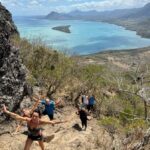
Getting started at Haras Du Morne (and what 4 hours really means)
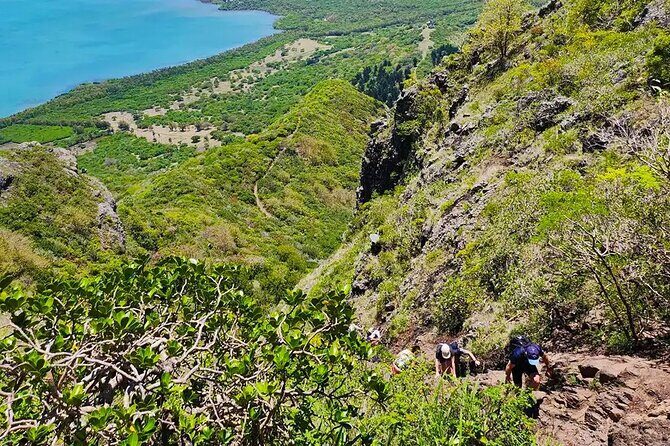
The tour starts at Haras Du Morne, Royal Road, Le Morne and ends back at that same meeting point. That “back to where you started” design is practical: you don’t have to worry about arranging extra transport for the return.
After you meet your guide, there’s a short intro before you head to the trailhead. Expect your pace and expectations to be set up front—especially around the sections that require more than walking. Since the total time is about 4 hours, you’ll want to show up ready to move.
One more logistics note that can save you stress: the experience is noted as near public transportation, but private transportation is not included. If you’re relying on getting there on your own, it helps to plan a little buffer time so you’re not scrambling for timing.
From coastal vegetation to the halfway viewpoint
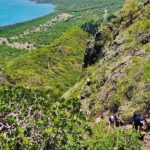
Early on, you’ll hike through lush coastal vegetation while your guide talks about local flora and fauna. This is a smart way to start because it warms you up and gets you focused on the environment instead of zoning out after the meeting.
Then comes the first scenic break: the halfway viewpoint. This stop matters because it breaks the climb into mental “chunks.” Instead of thinking you need to power through to the top in one long effort, you get a clear checkpoint with sweeping views of the Indian Ocean and surrounding lagoons.
If you’re taking photos, this is the better moment to settle in. Light scrambling usually comes later, so your arms and legs haven’t gotten as tired yet. Also, the view here gives you a sense of direction—once you see what’s around you, the ascent makes more sense.
Light scrambling upward: pace, footing, and guide tips that help
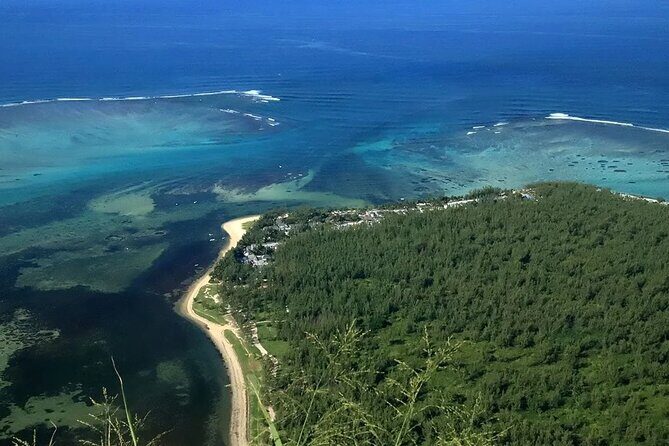
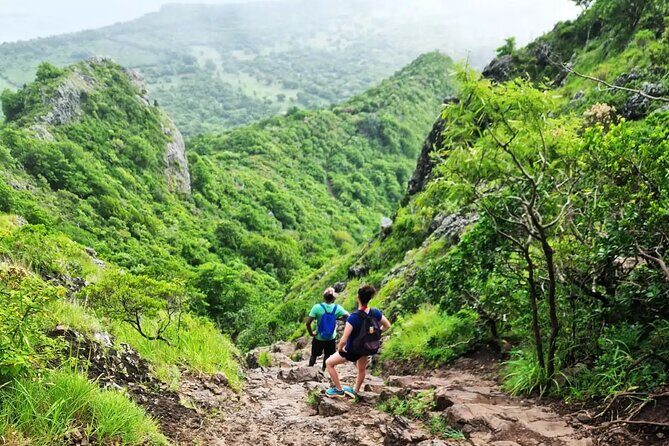
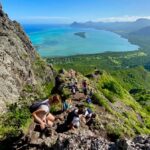
As you move higher, the trail becomes more challenging. The key detail here is that you’ll hit light scrambling sections. That phrase can sound mild, but it still means you’ll use hands at times and pay attention to footing.
This is where the guide quality really shows. In one of the best bits from a group’s experience, their guide provided good advice for the scrambling part—especially helpful for an 8-year-old. That kind of practical coaching is exactly what turns “I’m nervous” into “I can do this.”
Here’s how I’d approach it if you’re considering this hike:
- Go slower than you think you need to at the start of the scramble.
- Keep your eyes on the next solid step, not on the top.
- Use the guide’s suggested technique right away rather than improvising.
You’ll likely feel your legs work more in this section than you expected, but the upside is that you’re earning every view you’re about to get.
Stops with meaning: learning Le Morne’s refuge role
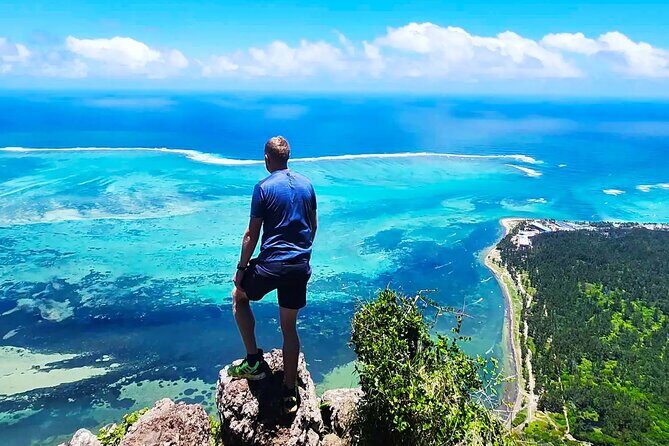
One of the most important parts of this hike happens when you pause for historical landmarks connected to Le Morne’s significance as a sanctuary for escaped slaves. This isn’t a quick “by the way” moment. It’s built into the route, so it lands while you’re physically present—still out on the mountain, still looking at the dramatic terrain that shaped escape and survival.
Why that matters for you: the mountain becomes more than a backdrop. When your guide explains why people used places like this as refuge, you start reading the terrain differently—steeper edges, vantage points, and how the geography can offer safety in dangerous times.
I also appreciate that the tour frames this learning as part of the hike rather than switching into a classroom mode. You’re moving, resting briefly, then continuing the climb with a deeper connection to what you’re seeing.
You can also read our reviews of more hiking tours in Mauritius

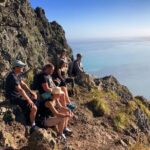
Summit break and big panoramic views over islands and coast
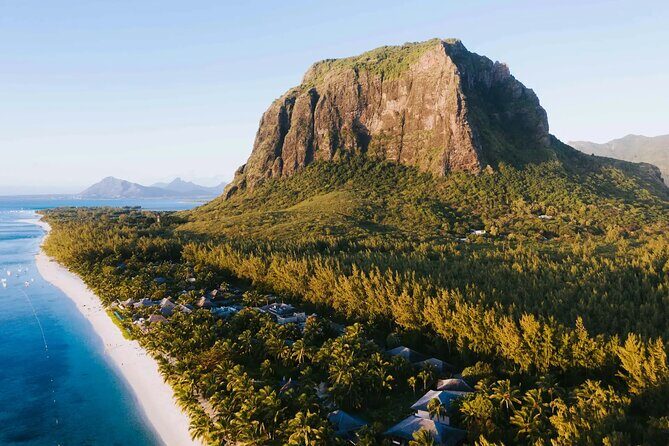
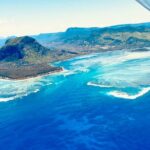
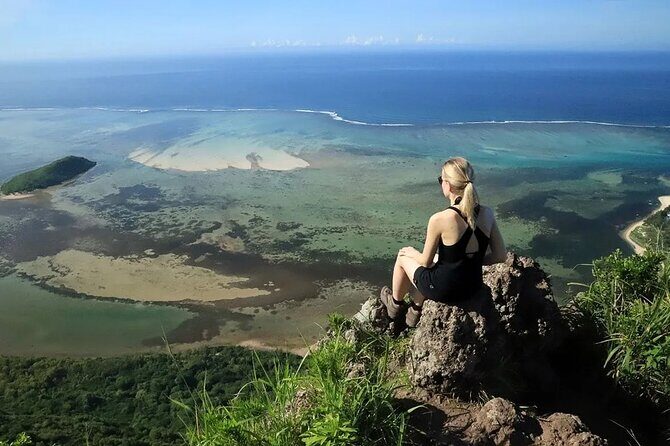
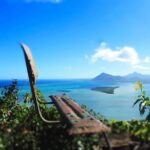
Eventually you reach the summit, and that’s the payoff moment. From the top, you can take in panoramic views of the southwestern coast, neighboring islands, and distant mountain ranges. This is the kind of view where you naturally slow down, look longer, and stop thinking about time.
Your guide will give you time for photos and rest. Use that break strategically. If you’re going to do more than a quick snap, it’s the moment to switch your phone to airplane mode, breathe, and actually enjoy the view instead of rushing through it.
Also, remember that the summit isn’t the end of the work—it’s the start of the descent. The hike is designed so you return the way you came, taking in any sights you might have missed on the way up.
If you’re sensitive to heights, the summit views can still be manageable, but take it step by step. The good news is you’re not scrambling the whole time—your guide organizes the rhythm and stops so you don’t feel like you’re doing everything at once.
What you really get: a bilingual guide and a private format
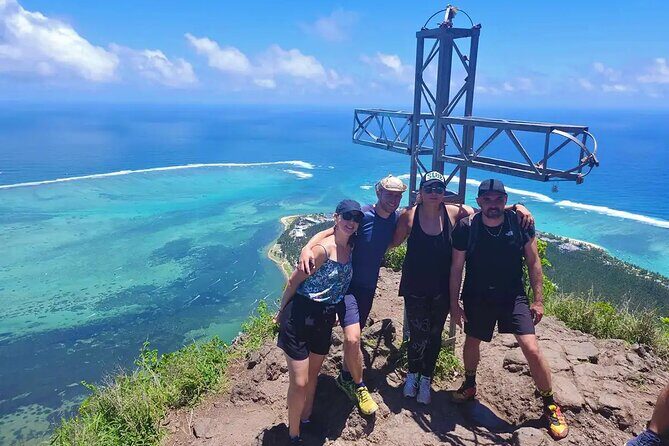
Included in the price are all fees and taxes and a guide in English and French. For a place like Mauritius, having the guide in more than one language is a practical bonus. You’re less likely to miss key points, whether it’s a safety cue for the scramble or a detail tied to the historical stops.
The experience is also private in the sense that only your group will participate. That matters more than people think. It usually means your pace can be better matched to your group and you can ask questions without feeling rushed.
Your ticket is mobile, and you meet at Haras Du Morne. Those two details make a difference if you’re juggling a beach day earlier or you’re fitting this hike into a busy travel schedule.
Price and value: $58.73 for a 4-hour climb with story and coaching
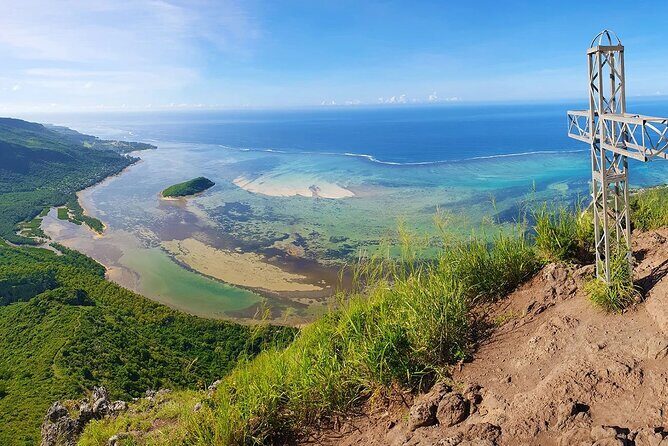
At $58.73 per person, this hike isn’t priced like a “barebones walk.” You’re paying for guide time, interpretation in English/French, and the route design that includes both viewpoints and history-focused stops. Since it’s about 4 hours, it also gives you a solid half-day activity without swallowing your entire day.
The other value angle: the tour offers group discounts (so your total can soften if you’re traveling with a group). And because it’s private for your party, you’re not just buying distance—you’re buying attention.
Who this hike is best for:
- You want a workout, but not a technical climb
- You care about the human side of places, not just photos
- You like having a guide who explains what you’re seeing
- You’re comfortable with moderate fitness and occasional scrambling
Should you book this hike?
I’d book it if you want a guided hike that mixes panoramic views with a meaningful pause to learn why Le Morne matters. If you’re the type who enjoys nature talk and wants historical context without sacrificing the fun of the climb, this fits well.
Don’t book it (or think carefully first) if scrambling scares you. The trail includes light scrambling sections, and the experience relies on good weather. If you’re traveling in a week where rain and fog are likely, plan your schedule so you have flexibility.
If your main goal is a quick viewpoint from a vehicle, you may find this more effort than you want. But if your goal is to earn those sweeping lagoon and coast views while learning the refuge story tied to the mountain, this is a strong choice.
FAQ
How long is the Le Morne Brabant hike?
It takes about 4 hours, approximately.
Where do we meet for the hike?
The start and end point is Haras Du Morne, Royal Road, Le Morne, Mauritius. The activity returns you to the same meeting point.
What languages are the guides?
The guide is available in English and French.
Do I need special fitness for this hike?
You should have moderate physical fitness. The route includes light scrambling sections.
What happens if the weather is poor?
This experience requires good weather. If it’s canceled due to poor weather, you’ll be offered a different date or a full refund.
Is transportation included?
No. Private transportation isn’t included.