REVIEW · COOKING CLASSES
Private Cooking Class of Local Cuisine in Bel Air
Book on Viator →Operated by Nafizah Bholah · Bookable on Viator
Mauritius flavor comes alive in a shared kitchen. This private Bel Air cooking class is family friendly and built around hands-on cooking with seasonal local ingredients, so you eat what you make right there.
It’s run in a simple, cute setup, led by Nafizah Bholah, and you’ll get a surprise bonus beyond the main plan. One thing to note: transport isn’t provided, so you’ll want an easy way to reach Bel Air and get back after the class.
In This Review
- Key Highlights You’ll Care About
- Bel Air’s Cooking Class Feels Like a Local Kitchen, Not a Show
- Price and Time: What $69 Per Person Really Buys
- The Seasonal Mauritius Menu: Local Fruit and Real Ingredient Choices
- Your 4-Hour Session: Three Courses You Cook (and Actually Eat)
- Course 1: Starter Setup and First Flavors
- Course 2: Main Dishes With Local Ingredients
- Course 3: The Third Course That Completes the Meal
- Why Nafizah Bholah’s Guidance Makes This Worth It
- Family-Friendly by Design (and Not Just in Marketing)
- Transport, Timing, and the Little Practical Bits
- Is This Good Value for Your Trip?
- Should You Book This Private Cooking Class in Bel Air?
- FAQ
- Where is the cooking class located?
- What time does the class start?
- How long is the experience?
- Is this a private class?
- What’s included in the class?
- Is transport provided?
- Is the class family-friendly?
- What happens if the weather is bad or I need to cancel?
Key Highlights You’ll Care About
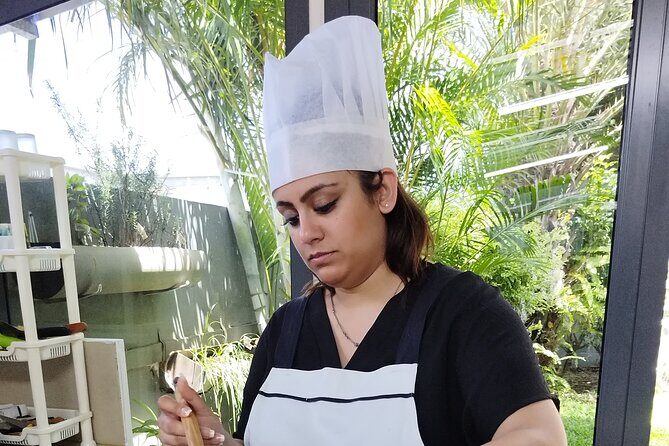
- Private group experience in Bel Air: only your group joins, so it stays personal and flexible.
- Three-meal course you cook and eat on site: plan on a full food session, not just watching.
- Seasonal fruits and local ingredients: the menu uses what’s fresh, not guesswork.
- Family-friendly, casual atmosphere: a calmer pace that works well for mixed ages.
- Nafizah Bholah’s step-by-step guidance: you’re guided through the whole process, with time to participate.
- Good weather matters: the experience requires decent conditions, with an alternate date or refund if it’s canceled for weather.
Bel Air’s Cooking Class Feels Like a Local Kitchen, Not a Show
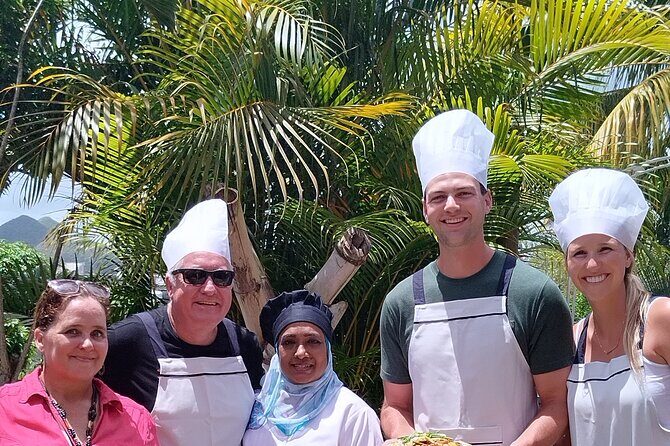
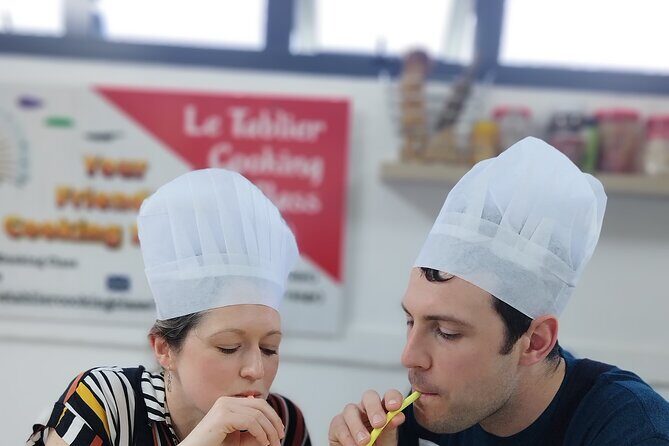
If you like food that feels real, this experience leans that way on purpose. It’s described as family friendly, carried out in a simple, cute atmosphere, and designed for people to join in—not just hover and watch. You’re not paying for performance. You’re paying for participation.
I like that the class is set up so you always have something to do. Hands-on cooking changes how you remember a dish. It’s one thing to taste Mauritius food; it’s another to mix, handle, and finish it yourself, then sit down and eat the results.
The pacing also matters. The session is roughly four hours, which is long enough to learn a lot without turning into a marathon. And since it’s private, you’re less likely to feel rushed compared to big group setups.
You can also read our reviews of more private tours in Mauritius



Price and Time: What $69 Per Person Really Buys
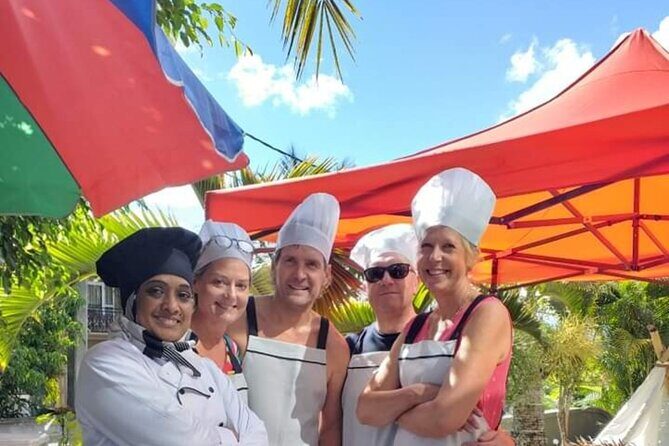
At $69 per person for about four hours, you’re paying for a guided, private kitchen experience plus ingredients that turn into a three-meal course. The practical value here is not just instruction—it’s that you cook and then eat what’s prepared on site.
A lot of food tours charge for tasting, but they don’t always include the real work of cooking. Here, utensils are provided, and the session is structured as a full meal journey. That’s why the price can feel fair: you’re getting both learning time and a proper sit-down food payoff.
You’ll also want to consider the private part. Since only your group participates, the per-person cost can make sense when you’re traveling with family or friends who actually want to cook together (instead of a “one person cooks, others watch” vibe).
If you’re coming solo, it may still be a great fit, but it’s worth knowing you’ll be investing in a guided class rather than a simple snack stop. This is a real activity with real food as the end result.
The Seasonal Mauritius Menu: Local Fruit and Real Ingredient Choices
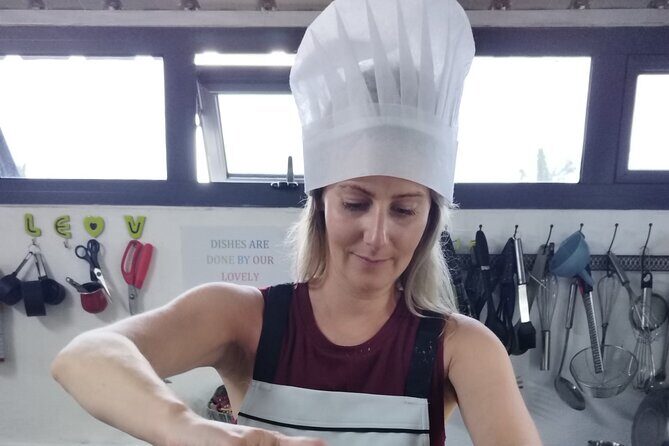
This class focuses on local cuisine using fruits and ingredients of the season. That detail isn’t small—it’s basically the whole logic of the cooking. When ingredients are in season, they tend to taste better and they behave differently in cooking. You’re learning how Mauritius flavor is built, not just which recipe to memorize.
From the information shared, the dishes can include things like vegetables, spices, chicken, and seafood. That variety is part of what makes a three-meal course useful. You’re not repeating one flavor idea three times. You’re seeing how the kitchen handles different ingredients and how a meal is assembled step by step.
And because the recipes are local and seasonal, you’ll come away with a clearer sense of what “Mauritius food” means in practice. Not just the final taste—how the ingredients fit together, and why seasonal fruit shows up in the flavor logic.
One extra twist: the host mentions a surprise bonus on top of what’s offered. You won’t be told exactly what that bonus is, but it’s clearly part of the fun. In a class like this, those little additions can be the difference between a good meal and a “remember this” memory.
Your 4-Hour Session: Three Courses You Cook (and Actually Eat)
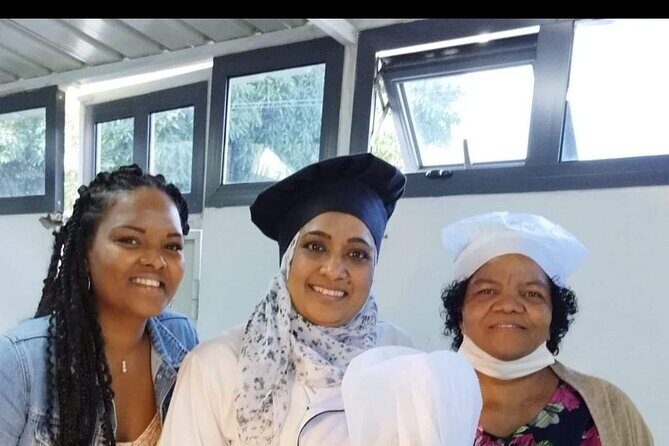
The class starts at 10:30 am in Bel Air, and it ends back at the meeting point. So you’re planning one clean block of time, not a day that stretches all over the island. With an approximate four-hour duration, it fits well into a vacation schedule—even if you’re not trying to pack in five activities.
Think of the cooking as a three-course rhythm. You’ll be hands-on throughout, and you’ll get to eat what you cook on site.
Course 1: Starter Setup and First Flavors
You’ll begin with the first part of the three-meal flow—your starter course. This is where you learn the basics of technique and seasoning in a way that actually connects to the rest of the meal.
Because the class uses local cuisine and seasonal ingredients, you’ll likely notice how fruit and fresh items show up in the flavor balance early on. Starters also tend to be where you practice timing and getting ingredients prepared in the right order, so you’re not scrambling later when the main dishes take more focus.
The biggest advantage here is that you’re not just being taught. You’re doing. That hands-on approach helps you understand the logic of the starter instead of simply replicating a list.
You can also read our reviews of more cooking classes in Mauritius
Course 2: Main Dishes With Local Ingredients
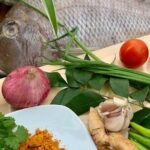
Next comes the main dishes. This is where Mauritius cooking really gets to flex. From the details provided, main courses can involve vegetables, spices, chicken, and seafood depending on the session and the seasonal ingredient plan.
This part tends to be the most satisfying because main dishes are where the dish structure shows up clearly—how the protein works with the sauce or seasoning, and how vegetables contribute texture and balance.
If you’re cooking with family members or multiple ages, this is also where everyone can participate in different ways. Someone can handle prep while another person helps with finishing steps. The class is described as guided throughout the process, which is a big deal when you’re trying to keep everyone involved.
Course 3: The Third Course That Completes the Meal
The session ends with the third course in the three-meal plan. You’ll cook it on site, then eat it as part of the shared meal.
Even without knowing the exact dish names ahead of time, the third course is what turns the cooking class into a full food experience. A starter shows taste direction; the main dish gives substance; the final course gives closure. The result is a complete meal journey instead of a two-part food experiment.
Also, remember that you’ll receive that surprise bonus on top of what’s offered. So the final stage can feel a bit extra fun, like there’s still something to look forward to even after the three-course structure is done.
Why Nafizah Bholah’s Guidance Makes This Worth It
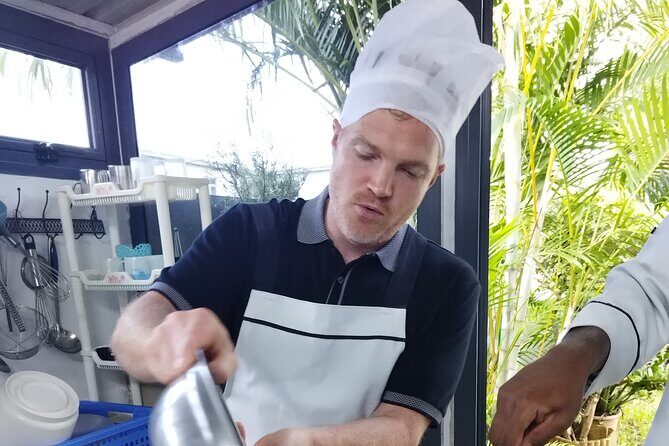
The experience is led by Nafizah Bholah, and that name comes up for a reason: the guidance is described as knowledgeable and helpful, with support throughout the entire process.
Here’s what I think that means for you in real terms. In cooking classes, the biggest fear is feeling lost. You don’t want to stand there without knowing what to do next. From the information shared, Nafizah guides step-by-step, so you can participate instead of watching.
That also matters if you’re traveling with kids or teens. One family shared that the class worked well for a group with ages 11 and 15, which points to a pace and teaching style that can handle mixed experience levels. When an instructor keeps the process clear, families don’t get stuck on one person doing all the work.
I also like that the class is described as cooperative and participative. That suggests the host doesn’t just instruct. The session is set up so your group is actually part of the cooking, and the atmosphere stays friendly.
Family-Friendly by Design (and Not Just in Marketing)
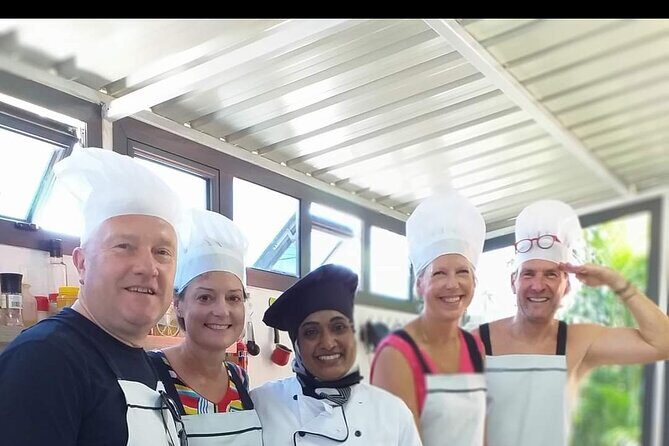
This isn’t pitched as a stiff, adults-only cooking workshop. It’s described as family friendly and carried out in a simple, cute atmosphere. That combination matters.
A family-friendly class should be:
- paced so people aren’t overwhelmed,
- structured so everyone can contribute,
- guided so nobody feels left behind.
With a four-hour duration, it’s also long enough to keep interest without becoming too short to feel like you learned nothing. And because it ends back where it starts, you don’t have to worry about logistics pulling attention away from the meal.
If you’re traveling as a couple, it’s still a strong choice because private setups often feel more relaxed. There’s room to ask questions without the pressure of a large group.
This class is especially suited if you want a “food activity” that’s hands-on and social. You’ll cook, you’ll sit down, and you’ll share the results rather than treating it like a quick photo stop.
Transport, Timing, and the Little Practical Bits
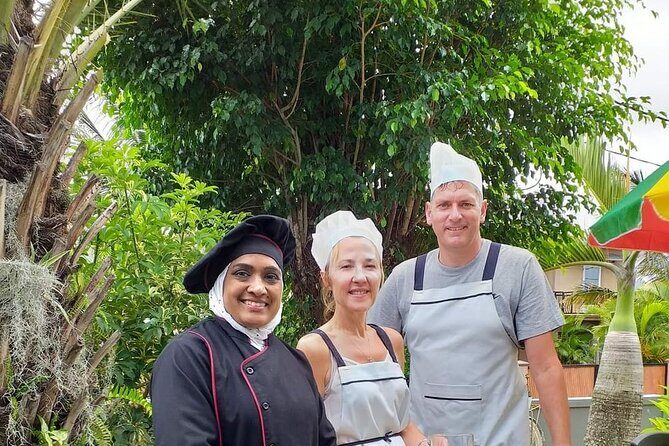
Start time is 10:30 am, and you’ll meet in Bel Air. The experience returns to the meeting point when it finishes.
Transport isn’t provided, so you’ll need to plan your own ride. The good news: it’s near public transportation, which gives you options. If you’re staying nearby, walking might even be possible depending on your exact location—but you’ll want to verify your route ahead of time.
You’ll also get a mobile ticket, and confirmation is sent within 48 hours of booking, subject to availability. That means you don’t need to stress immediately after booking, but it’s smart to keep an eye on your inbox once you’re within that window.
Weather is a real factor. The experience requires good weather. If it’s canceled due to poor weather, you’ll be offered a different date or a full refund.
As for what to bring, the key fact is that all cooking utensils are provided. Beyond that, you should plan to be actively cooking for about four hours. Wear clothes you’re comfortable getting a little messy in, and bring your usual water-and-snack common sense, especially if you’re the kind of person who gets hungry quickly.
Is This Good Value for Your Trip?
This class is a good fit when you want something authentic and practical, not just “food tourism.” If your goal is to learn how local cuisine is put together using seasonal ingredients, the format makes sense.
You’ll like it if:
- you want a hands-on cooking session where you eat what you cook,
- your group includes people who enjoy doing, not just tasting,
- you want a private class in Bel Air with a guided instructor,
- you like learning through cooking rather than memorizing recipes from paper.
You might think twice if:
- you don’t want to handle local logistics because transport isn’t provided,
- weather could be unpredictable during your dates,
- you’re looking for a quick tasting stop instead of a full three-meal cooking experience.
Should You Book This Private Cooking Class in Bel Air?
If your trip includes room for a true food activity, I’d book it. The best reasons are simple: it’s private, it’s hands-on, and it turns into a three-course meal you cook on site. Add in seasonal local ingredients and the guided presence of Nafizah Bholah, and you get a class that feels designed for learning and participation.
The only real “make sure” item is transport and timing. Since it starts at 10:30 am and doesn’t include transport, you’ll want a reliable plan to get to Bel Air and back.
If that’s under control, this is the kind of experience that sticks because you don’t just taste Mauritius—you build it with your hands.
FAQ
Where is the cooking class located?
The class starts in Bel Air, Mauritius, and it ends back at the same meeting point.
What time does the class start?
The start time is 10:30 am.
How long is the experience?
The duration is approximately 4 hours.
Is this a private class?
Yes. It’s a private tour/activity, and only your group participates.
What’s included in the class?
All cooking utensils are provided.
Is transport provided?
No. Transport is not provided, though the meeting point is near public transportation.
Is the class family-friendly?
Yes, the school is described as family friendly.
What happens if the weather is bad or I need to cancel?
The experience requires good weather. If it’s canceled due to poor weather, you’ll be offered a different date or a full refund. Free cancellation is available up to 24 hours in advance for a full refund.