REVIEW · HIKING & TREKKING
Hiking Le Morne Brabant
Book on Viator →Operated by Yanature · Bookable on Viator
One climb, and you feel it all. This guided trek up Le Morne Brabant turns a steep hike into a moving lesson: it’s tied to UNESCO’s story of enslaved maroons who sought freedom here. I love the small, capped group setup (max 12) and how the guide keeps you safe with practical coaching on the tougher bits. One drawback: you’re dealing with steep, sometimes scrambly rock, and wet or foggy weather can make it much more intense.
Le Morne Brabant became UNESCO World Heritage on July 6, 2008, and the mountain is remembered as a sanctuary for the marrons (maroons). On top of the history, this is also a surprisingly protected area, since it sits on private land and supports rare endemic species like Trochetia boutoniana, a national floral emblem.
The hike is listed at about 3 to 4 hours, with a mobile ticket, and it’s the kind of outing where guides matter. I like the vibe that you’ll get step-by-step support rather than a “good luck” scramble. You’ll also want to plan for changing conditions, because even fit hikers can feel the challenge when the rocks get slick—especially on the upper section.
In This Review
- Key things that make this hike work
- Le Morne Brabant: UNESCO history you can feel on your legs
- The hike on the ground: timing, trail feel, and what the hard parts mean
- What happens at the start: meeting point, parking, and the first warm-up
- Reaching the top with a guide: safe scrambling and steady coaching
- The view payoff: when you stop thinking and start appreciating
- Price and value: is $61.41 actually fair?
- Who should book this hike (and who should choose another plan)
- Practical tips that improve your odds of loving it
- Should you book Le Morne Brabant with Yanature?
- FAQ
- How long does the Le Morne Brabant hike take?
- What fitness level do I need?
- How big is the group?
- Where do we meet for the hike?
- Is lunch included?
- Is the admission ticket required?
- What should I wear or bring?
- What happens if the weather is poor?
- Can I cancel for a full refund?
Key things that make this hike work

- Small group, max 12: You get attention when the trail turns steep or tricky.
- Parking at the meeting point: That sounds minor, until you’re trying to coordinate a morning start.
- Scrambling is part of the plan: Expect sections where you use hands and feet, not just your legs.
- Guides coach safety, not just stories: Many guides give very specific advice on how to move on rock.
- Peace and quiet away from crowds: Going early helps you get more mountain time.
- Admission ticket is free: Your money goes mostly toward guiding and the hike experience.
Le Morne Brabant: UNESCO history you can feel on your legs
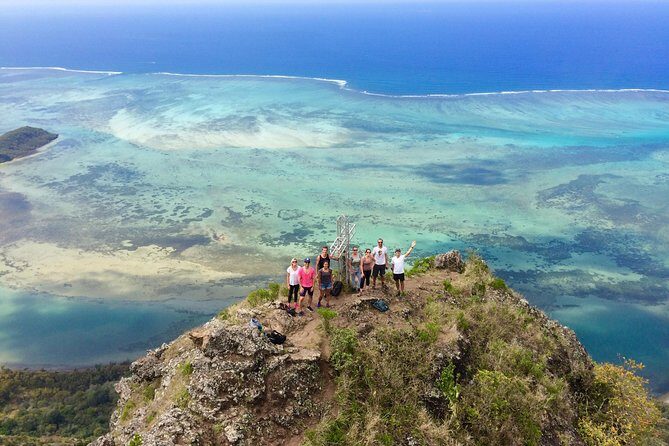
Le Morne Brabant isn’t a generic “pretty mountain.” The place is tied to survival. As you climb, you’re retracing the setting linked to enslaved people who used the mountain’s dramatic cliffs as a refuge. The story is described as sobering on purpose—because this isn’t just scenery. When a guide explains why this mountain mattered, the difficulty level suddenly feels more meaningful, not just athletic.
And the view helps seal it. Mauritius looks like it can be all beaches and sugarcane roads, but Le Morne brings you into a different world—one shaped by steep terrain and rock that forces you to slow down and pay attention.
There’s also a natural-history angle. The mountain is protected, and because of that you get a chance to hear about endemic species like Trochetia boutoniana (Trochetia boutoniana), which is noted as extremely rare and a national floral emblem. You’re unlikely to become a botanist by the time you reach the top—but it’s a nice reminder that this climb is also about a specific ecosystem, not just hitting a summit.
You can also read our reviews of more hiking tours in Mauritius
The hike on the ground: timing, trail feel, and what the hard parts mean
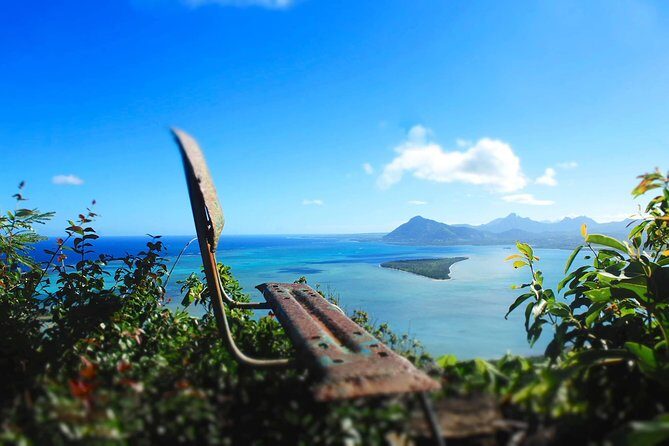
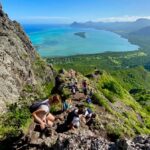
This is a guided mountain hike that generally clocks in around 3 to 4 hours. In practice, expect it to be a “moving but stopping” kind of pace. Guides build in pauses, which matters because the climb has real steep sections where you’ll want time to breathe, adjust footing, and keep your balance.
Here’s the reality check from how the route feels:
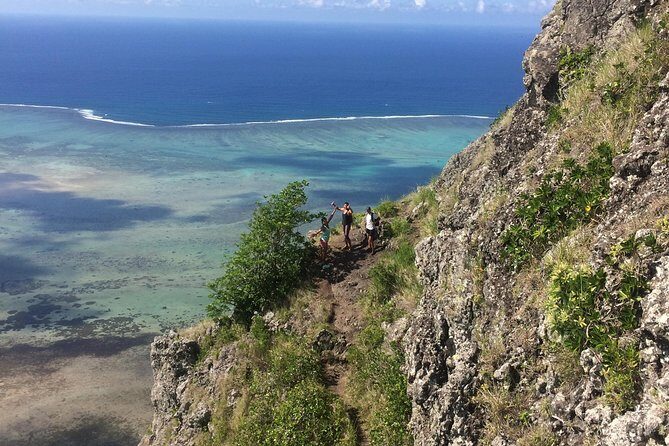
- The trail can be straightforward in stretches, but the upper portion includes scrambling.
- Some sections may require you to use hands as well as feet, including moves where you might end up crawling or shifting your weight low to the rock.
- Descending can be just as tricky as going up. A lot of people focus on the summit, but safe foot placement on the way down is where guidance really pays off.
Shoes matter. Multiple hikers emphasize bringing hiking footwear with good grip. If you show up in slick soles or flip-flops, you’re volunteering for extra stress. If you’re the type who hates feeling out of control, this is the moment to accept that the mountain is steep and movement skills come from practice—so let your guide teach you before you rush.
Weather can change everything. One key consideration: fog, drizzle, or wet rock can make the scrambling portion feel risky. Even fit adults have reported turning back because it felt unsafe when conditions were slippery. The good news is that the hike is operated around good-weather requirements, and your guide will monitor conditions during the hike.
What happens at the start: meeting point, parking, and the first warm-up
The hike starts at Wapalapam Island Eatery, Centre Commercial de L’Harmonie, Le Morne Brabant 91202, Mauritius. It’s specifically a meeting point where there’s a parking lot, which is a huge practical win. It means you can focus on the hike instead of circling for a spot or trying to find a curb in a hurry.
From there, the day usually begins with the “get sorted fast” approach: you’ll meet your guide, confirm the group, and get the basics on how to move on the terrain. Guides repeatedly show up as the real difference-maker here. For example, hikers mention guides like Jeremie, Yudish, Gilles, Fabrice, Fred, Mathieu, Steve, and Johnathan making the experience feel manageable by using encouragement and clear instructions for hands and feet.
If you can, aim to do the hike earlier in the day. Heat is a real factor on Mauritius, and at least one guide recommendation is to go early because it gets hot later. Starting early can also help with crowd behavior, since you’re often hiking when others are still heading up or you’re on your way down before the densest time hits.
Reaching the top with a guide: safe scrambling and steady coaching
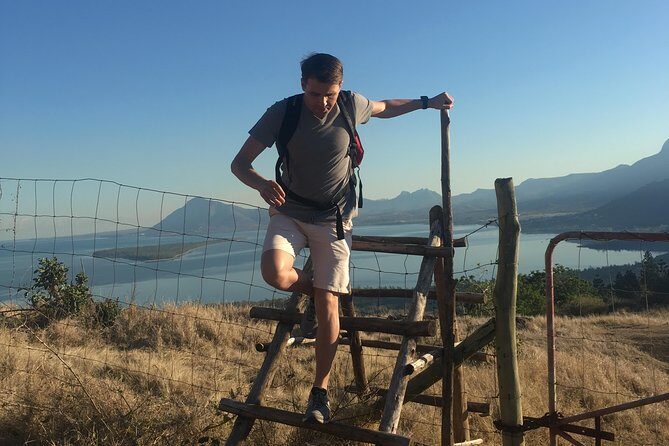
This climb is where “guided” actually matters. The mountain doesn’t give you a gentle stairway. It gives you steep rock segments where balance is on you—and that’s exactly why people rate this tour so highly.
What good guiding looks like on Le Morne:
- Step-by-step positioning: Guides tell you where to put hands and feet, not just “follow me.”
- Patience with different fitness levels: Your pace can vary, and the group can include people who are newer to hiking.
- Reassurance when it feels scary: Several hikers describe moments where the climb becomes hair-raising, then calms down once the guide shows a safer route.
You’ll also notice the group size stays tight: up to 12. That small cap makes it easier for a guide to watch everyone instead of only the fastest hikers.
Some groups even run with two guides. That can help when one hiker needs more time on a hard move, or when the group spreads out on steeper segments. One review highlighted two guides supporting a larger group (within the cap) and helping people choose the safest method.
And yes, it can involve hands and even low-to-the-rock movement. That’s not a reason to avoid the hike—it’s a reason to respect it. If you treat it like a scramble-free walk, you’ll feel stressed. If you treat it like guided rock movement training with views as the reward, it clicks.
The view payoff: when you stop thinking and start appreciating
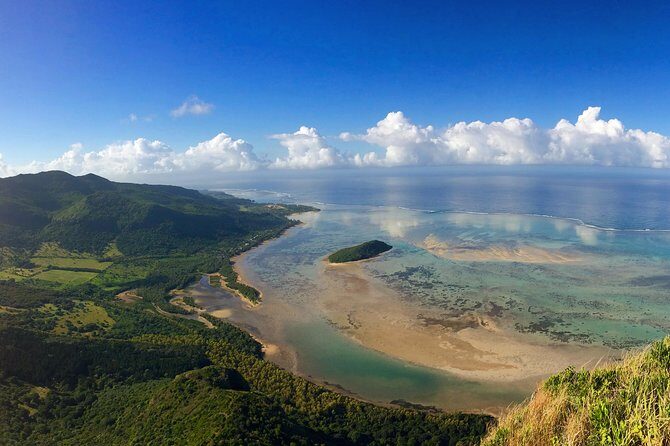
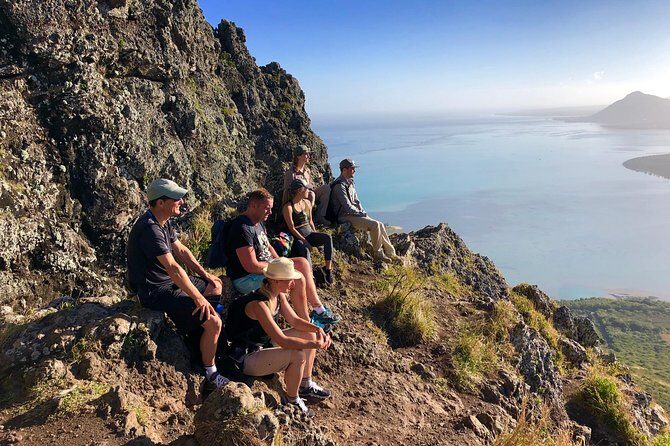
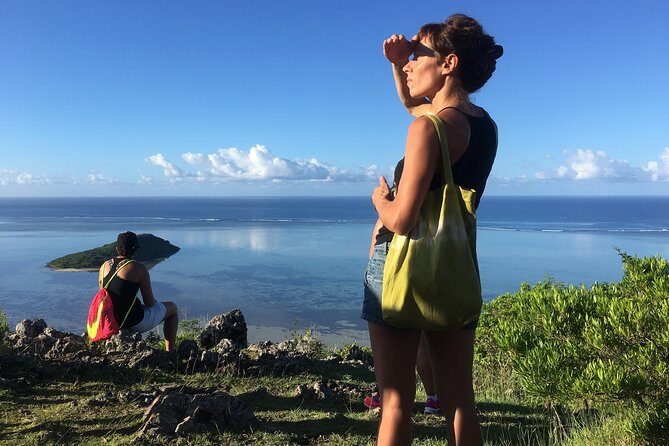
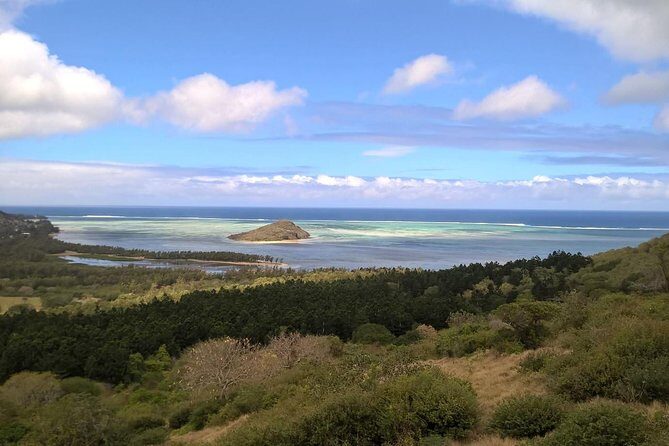
At the top, you get a wide sense of scale. You’re looking out over the south-west of Mauritius from a dramatic position that’s hard to fully describe until you’re there. Guides help you slow down here too, which matters because the final sections can feel like a grind until the scenery reframes the whole experience.
Many hikers call the views the best on the island, and even when weather limits what you can reach, reaching a high point can still feel worthwhile. One person noted they couldn’t reach the absolute top due to rain, but the level they achieved was still a strong outcome.
This is also where you understand the emotional weight of the place. Because the history is explained as you climb, the summit isn’t just a photo stop. It becomes a place where the effort feels linked to the reason the mountain is protected and remembered.


Price and value: is $61.41 actually fair?
At $61.41 per person, this hike is priced like a guided activity, not like a luxury experience. For that cost, you’re getting guided support on a route that includes scrambling, plus all fees and taxes.
Here’s what makes it good value:
- The admission ticket is free, so your fee isn’t mostly paying entry.
- The operator is delivering the hard part: safe navigation of steep sections and the historical context that turns the hike into more than a workout.
- A small capped group generally means your guide can actually manage the line on the tricky bits.
What you’re not paying for (so plan it yourself):
- Lunch isn’t included.
- Private transportation isn’t included, so you’ll want a plan to get to the meeting point.
One more practical value point: booking is often done about 21 days in advance on average. If you’re traveling in busy season or want a specific early departure, it’s smart to book sooner rather than later.
Who should book this hike (and who should choose another plan)
This is best for people who are comfortable with steep hiking and don’t mind using their hands for balance. The operator lists the fitness level as moderate, and the tour isn’t for children under 10.
You’ll likely enjoy it if you:
- like challenges and want a guided route where you feel safe,
- enjoy learning while you hike (this place has both history and natural highlights),
- are okay with changing weather, and you’ll trust the guide if conditions aren’t right.
You might want to think twice if you:
- hate scrambling or dislike exposed footing,
- get uncomfortable on wet rock,
- don’t have grippy shoes or the willingness to slow down and follow instructions.
One thoughtful detail from real experiences: hikers sometimes describe it as feeling more advanced when the weather is foggy and drizzle makes everything slippery. So your best plan is to go in good weather and treat the upper sections with respect.
Practical tips that improve your odds of loving it
These are the little things that make the day smoother:
- Bring hiking shoes with grip. The rock can demand it, especially in the upper half.
- Wear clothes that handle sweat. Heat builds as the morning goes on.
- Go early when you can. It helps with heat and often gives a calmer feel on the route.
- Listen for step-by-step coaching. When guides tell you where to place feet, it’s not style points—it’s traction and balance.
- If weather is questionable, trust the decision. The hike is weather dependent and can be adjusted if conditions aren’t safe.
Should you book Le Morne Brabant with Yanature?
If you want a Mauritius hike that’s both physically real and emotionally meaningful, this is a strong pick. The standout reasons are simple: small groups, guides who teach safe scrambling, and a setting that’s UNESCO-protected for good reason, not just because it looks dramatic.
Book it if you’re okay with steep terrain and you’ll show up prepared with grippy footwear. Skip it or pick another activity if wet weather, fog, or slippery rock would make you anxious and you’d rather avoid any hands-on scrambling. If you get a good day, you’ll likely feel like the effort was exactly the point.
FAQ
How long does the Le Morne Brabant hike take?
It’s listed as about 3 to 4 hours.
What fitness level do I need?
The tour recommends a moderate physical fitness level.
How big is the group?
The tour has a maximum of 12 travelers.
Where do we meet for the hike?
The meeting point is Wapalapam Island Eatery, Centre Commercial de L’Harmonie, Le Morne Brabant 91202, Mauritius. The tour ends at the base of Le Morne Brabant Mountain.
Is lunch included?
No, lunch isn’t included.
Is the admission ticket required?
Admission is free for the experience.
What should I wear or bring?
The tour is a hike with challenging sections, so good shoes with grip are strongly important.
What happens if the weather is poor?
The experience requires good weather. If it’s canceled due to poor weather, you’ll be offered a different date or a full refund.
Can I cancel for a full refund?
Yes. You can cancel up to 24 hours before the experience for a full refund.