REVIEW · SOUTH-WEST & CHAMAREL TOURS
Ebony Forest Reserve Chamarel: Endemic Birdwatching Guided Tour
Book on Viator →Operated by Ebony Forest Chamarel · Bookable on Viator
A morning in Mauritius’ Ebony Forest Reserve is a fast way to feel like you are on safari. This small-group birding tour focuses on rare endemic birds, with time in the forest where you can actually learn how to spot them. You start with a short intro and museum stop, then move through key viewing areas that matter for birds.
What I like most is the combination of guided bird-finding and the forest setup for viewing. You get binoculars, a small group capped at 9, and snacks and drinks so you are not running on empty halfway through the hunt.
One thing to consider: this is a moderate-activity morning. The route can involve walking (and some elevated boardwalk sections), and you should be comfortable with that pace for about 3 to 4 hours.
In This Review
- Key things worth knowing before you go
- Ebony Forest Chamarel: Why This Bird Tour Feels Different
- Price, Group Size, and What You Actually Get for $60.58
- Meet at 9:00 am and Plan Your Fitness for the Route
- Museum Start: Getting Bird-Spotting Ready
- Bird Release Aviaries: Echo Parakeet and Pink Pigeon First
- Walk or Jeep to the Flycatcher Raised Walkway
- Sublime Point: Snacks, Mauritian Treats, and the Wild South
- Target Species: What You Have a Shot At (and How to Think Realistically)
- How to Make Binocular Time Work for You
- Weather, Rescheduling, and Staying Comfortable in the Field
- Should You Book This Ebony Forest Birdwatching Tour?
- FAQ
- Where is the tour meeting point?
- What time does the tour start?
- How long is the guided birdwatching tour?
- How big is the group?
- What is included in the price?
- Do I need my own camera?
- What birds is the tour focused on?
- Will there be walking, or can I use jeeps?
- What fitness level is recommended?
- What happens if the weather is bad?
- Is there free cancellation?
Key things worth knowing before you go
- Small group experience (maximum 9 travelers) means less waiting and more time with the guide
- Binoculars and snacks are included, so you can focus on spotting instead of logistics
- Museum + aviary start helps you understand what you are looking for before you step into the forest
- Raised walkway and canopy viewing are built for bird sightlines, not just casual strolling
- Daily morning departures give you a clean start to the day for wildlife watching
Ebony Forest Chamarel: Why This Bird Tour Feels Different
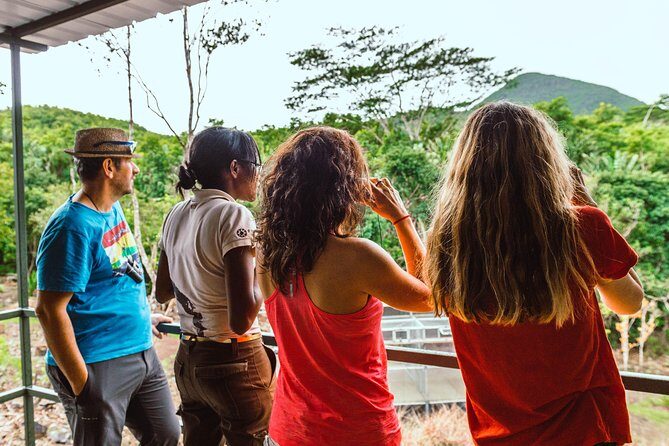
This tour is not just a walk with a guide who talks about birds. It is designed around where endemic species are most likely to show up and how you should look for them. Ebony Forest Reserve Chamarel sits in a real conservation landscape in Mauritius, tied to an Important Bird Area designation by BirdLife International.
Here, you are chasing birds that exist nowhere else, including the Pink Pigeon and the Echo Parakeet. The guide is also working with you on method: how to scan, where to pause, and how to interpret bird behavior like feeding and active calls.
The other big win is the format. A maximum of 9 travelers keeps the experience from turning into a line of people pointing randomly at trees. You get enough attention to improve your chances during the 4-hour window.
And yes, the setting is special. The ebony forest restoration work and bird-focused areas give you the sense you are not just visiting nature—you are visiting a place actively trying to bring it back.
You can also read our reviews of more guided tours in Mauritius


Price, Group Size, and What You Actually Get for $60.58
At $60.58 per person, this is priced like a focused half-day activity rather than a cheap add-on. The value comes from what is bundled: snacks and drinks plus binoculars. That matters because good birding is slow. If you have to stop to buy water, or if you arrive without binoculars, you end up losing time and momentum.
Also, the group size cap at 9 is not a marketing detail. With small numbers, you can keep the pace while still stopping when the guide finds activity. You are also more likely to hear spotting tips without competing for attention.
A practical note: the tour does not include a camera. That is not a dealbreaker (your phone can work), but do not plan on getting gear from the provider.
If you are doing birdwatching in Mauritius, this is a reasonable spend when you want maximum guidance per hour rather than a generic nature walk.
Meet at 9:00 am and Plan Your Fitness for the Route
You meet at Ebony Forest Reserve Chamarel in Chamarel, Mauritius, with a 9:00 am start, and the tour ends back at the meeting point. Plan on about 4 hours total.
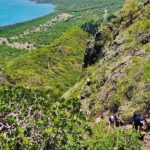
The physical level is described as moderate. The route can include walking, and you may also have the option to use safari jeeps part of the way. In practice, the experience can include a longer walk—about 6 km is mentioned as part of the hike—plus canopy boardwalk sections.
If you like moving steadily and you enjoy views from higher paths, walking can be the better choice. One tip that comes up clearly: do not assume you must take the jeep. Walking both ways can give you more chances to spot birds along the way.
If you have any mobility limits, go slow and let your guide know early. The tour is best when you stay comfortable enough to pause often.
Museum Start: Getting Bird-Spotting Ready
The morning begins with a brief museum visit. This part helps you shift from random tree-scanning to bird-specific searching. You get context on the forest and the endemic birds you are likely to encounter, plus a film component at the museum.
Why this matters: birds are easier when you understand what to listen for and what behavior to watch. The guide can then point you toward feeding activity, flight paths, and likely perches instead of just telling you the species names.
Even if you already know the target birds, the museum start is still useful. It sets expectations for what you can realistically spot in a 3 to 4 hour window.
Think of this as your warm-up. When you enter the first bird-focused area afterward, you will know what to look for and where to focus your binocular time.
Bird Release Aviaries: Echo Parakeet and Pink Pigeon First
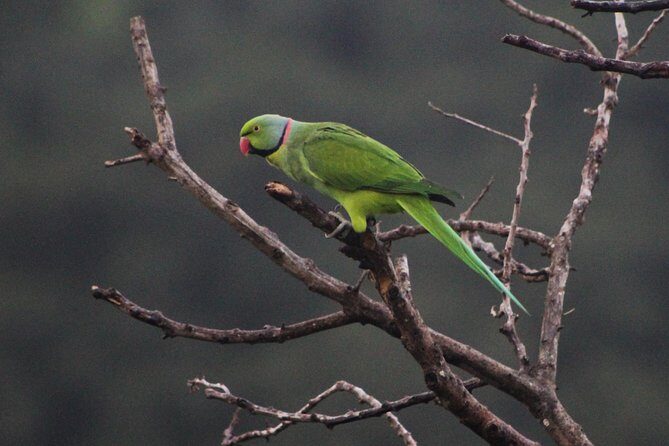
After the museum, the tour includes an exclusive visit of the bird release aviaries. This is where you have your first shot at spotting the wild Echo Parakeet and Pink Pigeon.
This is also where managed conservation and real-world viewing come together. You are not watching from a distant, generic overlook. The aviaries are part of the program, and the guide is actively helping you find birds in the area.
One expectation to set right away: do not treat this like a guaranteed sighting challenge. Even in the best conditions, birds may be quiet or out of the easiest lines of sight. A smart goal for a 4-hour walk is seeing around 1 to 2 endemic species per outing, depending on what is active that day.
When you do get a sighting, focus on the pattern: where the bird feeds, how it moves between perches, and how it reacts to the forest sounds. Those clues help you understand what you are seeing and where to look next.
If you are serious about birding, this first aviary block is the part that teaches you how the guide reads the forest.




Walk or Jeep to the Flycatcher Raised Walkway
From the aviaries, you head toward two big birding stops: the Flycatcher Raised Walkway and Sublime Point. You can often walk part of the route, and there is also the option of safari jeeps.
The Flycatcher Raised Walkway is a standout because it lifts you into better viewing position. One review-style detail that lines up with what birdwatchers care about: boardwalk sections can go high up in the canopies. That matters because many birds are easier to spot when you are level with their feeding heights rather than looking only from the ground.
This is also where you tend to slow down. Birding is pause-and-scan work. You will likely spend time stopping at points along the route while the guide checks for movement or calls.
A practical tip: keep your binoculars accessible and your attention split between trunks, branches, and open sightlines. Raised paths help, but you still need disciplined scanning to spot small shapes.
If you prefer more walking, you can stay on foot where possible. If you prefer a lighter pace, use the jeeps when they make sense for your comfort level.
Sublime Point: Snacks, Mauritian Treats, and the Wild South
Next comes Sublime Point, where the tour includes a break with snacks. You also get time to enjoy Mauritian delights there while your guide talks about the mountains and rugged scenery of the wild south.
This stop is not just a rest. It is a perspective reset. After time in the forest canopy and pathways, the viewpoints help you understand the wider terrain—the kind of land that shapes wind, vegetation, and how birds move.
It also keeps the tour humane. You are in the field for hours. Having included food and drink means you can keep your energy up for the final stretch without rushing or spending extra cash.
You should expect the guide to keep referencing the surrounding area, tying the scenery to the birds and habitat you are trying to see. This is a good time to ask questions, especially if you missed earlier sightings or want help differentiating calls.
Target Species: What You Have a Shot At (and How to Think Realistically)
The tour focuses on several endemic birds. Based on the tour description, your hit list can include:
- Pink Pigeon
- Echo Parakeet
- Mauritius Paradise Flycatcher
- Mauritius Black Bulbul (also called the merle)
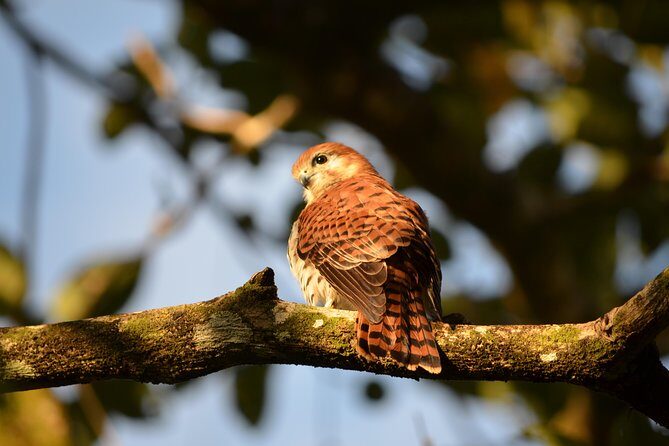
- Mauritius Kestrel
- Grey-white eye
In birdwatching, the honest truth is that timing and activity drive results more than effort. That is why the guide’s job is so important: they know where to look and how to interpret what the birds are doing.
Here is how I recommend thinking about your odds. During a 3 to 4 hour outing, it is normal to see only part of the target list. A good mindset is aiming for a couple of species you can clearly identify, rather than expecting every bird on the page.
Also, if you are new to birding, focus on learning to spot signs of life—movement, feeding behavior, and calls—then let species identification be the reward. You will enjoy the walk more, and you will feel less frustrated if a particular bird stays quiet that morning.
If you are an experienced birder, bring your patience and treat this as a guided scouting session. The forest is doing its own thing; your job is to read it.
How to Make Binocular Time Work for You
The tour includes binoculars, which is great because you do not need to pack your own. But binoculars only help if you use them smartly.
A few habits that fit this kind of birding route:
- Scan slowly across branches and trunks, not just the most obvious open areas
- Pause longer than you think you should. Birds move in bursts, then freeze
- When you hear or spot movement, follow it with your eyes first, then bring up the binoculars
- Keep notes mentally: where the bird was (ground, mid-canopy, high branches) and what it was doing (feeding, hopping, calling)
The guide’s instructions should guide your scanning plan. Still, your own routine matters because you only have a few hours, and birds do not line up like they are in a zoo.
If you want better photos later, you are still learning here. A clear sighting beats a blurry snap. If you care about video or camera shots, have your gear ready—but do not let gear management slow your spotting.
Weather, Rescheduling, and Staying Comfortable in the Field
This experience depends on good weather. If poor weather causes a cancellation, you are offered a different date or a full refund. That is important for birding, because visibility and activity drop when conditions are rough.
The morning format also helps with comfort. Starting at 9:00 am means you are not dealing with the hottest part of the day. Plus, the tour includes snacks and drinks to keep you going through the walk and boardwalk portions.
A simple travel move: wear light layers you can remove and bring rain protection just in case. Even if the day looks fine at the start, forest weather can change quickly.
Should You Book This Ebony Forest Birdwatching Tour?
I would book it if you want a guided, focused birding outing in Mauritius’ endemic stronghold, with a small group and actual time in conservation areas. The best reason is practical: you are not walking blind. You get a museum intro, then aviary viewing, then raised walkway canopy angles, all with binoculars and guided help.
I would skip it only if you are unable to handle moderate walking for about 3 to 4 hours. If that is you, look for a less active option in Mauritius, because birdwatching rewards stillness, and this route includes movement.
If you are on the fence, here is my quick rule: if seeing Pink Pigeon or Echo Parakeet is part of your Mauritius plan, this tour is one of the most direct ways to target them with good support.
FAQ
Where is the tour meeting point?
The tour meets at Ebony Forest Reserve Chamarel, Chamarel MU 90409, Mauritius.
What time does the tour start?
The start time is 9:00 am.
How long is the guided birdwatching tour?
The tour runs about 4 hours (approximately).
How big is the group?
The tour has a maximum of 9 travelers.
What is included in the price?
Snacks and drink are included, and binoculars are provided.
Do I need my own camera?
A camera is not included. You may want to bring your own device if you want photos.
What birds is the tour focused on?
The tour highlights several endemic species, including Pink Pigeon and Echo Parakeet, with opportunities to see birds such as Mauritius Paradise Flycatcher, Mauritius Black Bulbul (merle), Mauritius Kestrel, and Grey-white eye.
Will there be walking, or can I use jeeps?
The experience mentions you can walk or use safari jeeps to visit the Flycatcher Raised Walkway and Sublime Point.
What fitness level is recommended?
A moderate physical fitness level is recommended.
What happens if the weather is bad?
The experience requires good weather. If it is canceled due to poor weather, you will be offered a different date or a full refund.
Is there free cancellation?
Yes. Free cancellation is available up to 24 hours in advance for a full refund.