REVIEW · HIKING & TREKKING
Mauritius: Le Morne Mountain Guided Sunrise Hike and Climb
Book on GetYourGuide →Operated by Horazis · Bookable on GetYourGuide
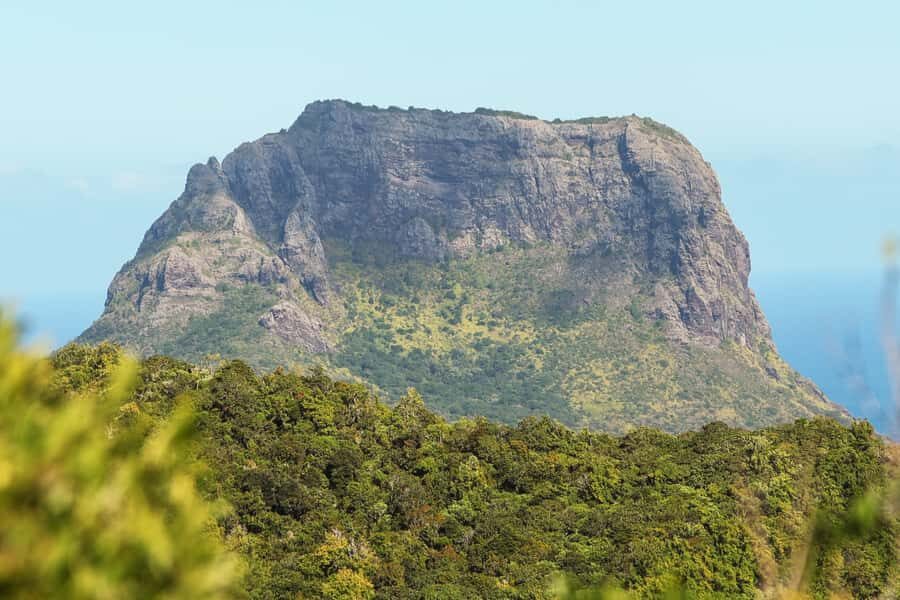
One mountain, one early start, and a sunrise you can’t fake. This guided Le Morne Brabant sunrise hike gets you up to the memorial cross summit with a certified mountaineer, plus that quiet, first-light moment when birds start up as you climb. What I like most is the rock-scrambling guidance and the way the guide connects the climb to Mauritius’ history and nature as you go.
The only real catch: part of the route includes four rocky scrambling sections and some exposure. If you’re not sure-footed or heights make you freeze, you’ll want to choose another activity.
In This Review
- Key things that make this hike work
- Why Le Morne sunrise feels like a real experience, not a checklist
- Meeting at Le Morne Public Beach and the safety-first start
- Rainforest climb: cool air, endemic birds, and a warm-up that matters
- Trochetia Boutoniona viewpoint: snack break with a real panorama payoff
- The four rocky scrambling sections: where safety and confidence meet
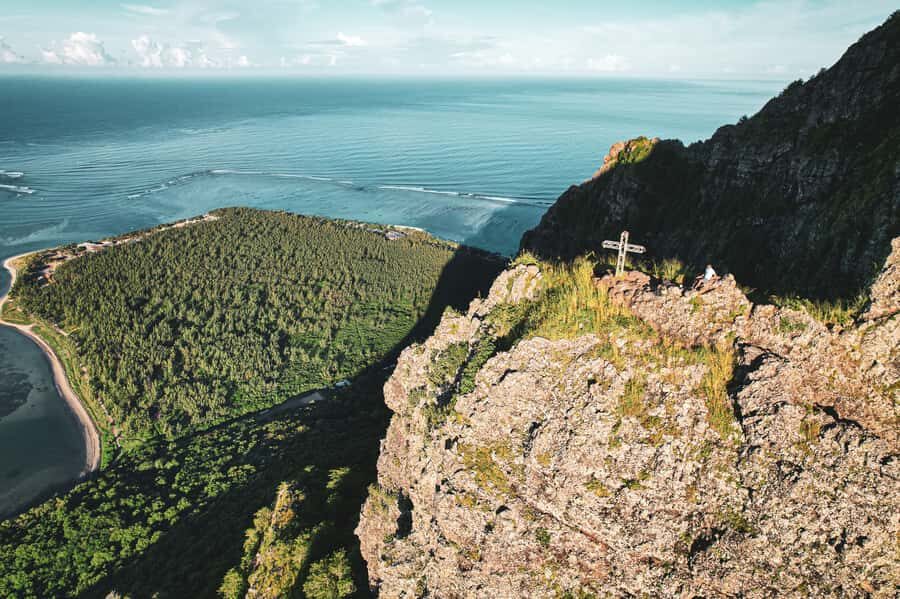
- Reaching the memorial cross summit: sunrise rewards at 470 meters
- The descent: keep your energy, protect your knees, and stick with the route
- Fitness and gear: what you need for Le Morne Brabant to feel fun
- Price, timing, group feel, and language support
- Who should book this sunrise climb—and who should skip it
- Should you book the Horazis Le Morne guided sunrise hike?
Key things that make this hike work
- A certified mountaineer guide who keeps the pace steady and the scrambling section safe
- Sunrise on Le Morne Brabant with bird sounds that kick in as you climb
- Rainforest start with chances to spot rare endemic birds and plants
- Trochetia Boutoniona viewpoint for a snack break and big panorama photos
- Four rocky scrambling sections on the way to the memorial cross summit
- A 470-meter summit with wide views over the island (one common highlight is around a 270-degree sweep)
Why Le Morne sunrise feels like a real experience, not a checklist
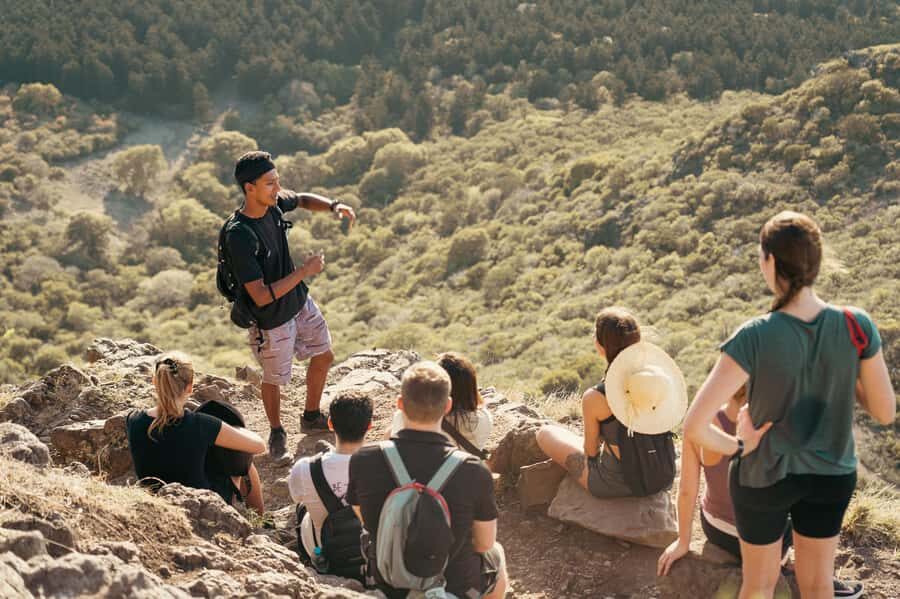
Le Morne Brabant is one of those Mauritius places where the “view from the top” is only half the story. The other half is the journey there, starting in the dark and shifting fast into cool rainforest air. You’re moving uphill with a professional guide, so you’re not just chasing sunrise for Instagram. You’re learning the mountain as a living place—trees, birds, and the island history woven into the route.
I also like that this doesn’t pretend to be an easy stroll. You’ll climb, scramble, and use your hands on the rock sections. That makes the summit feel earned, and the whole thing stays honest: you’re getting a workout and a payoff, in about four hours.
The guide matters here. In reviews, people repeatedly call out guides like Kevin, Eric, and Gaël for safety care and good pacing—exactly what you want when the path gets rocky and the footing gets less forgiving.
You can also read our reviews of more guided tours in Mauritius
Meeting at Le Morne Public Beach and the safety-first start
You meet at Le Morne Public Beach, right in front of the Slave Route Monument, where you’ll get a safety briefing before heading toward the trail entrance. This matters more than it sounds. Le Morne’s routes involve uneven ground and some scrambling, so the guide’s expectations for where to place feet and how to move through the rock sections can save you from that panicky, hands-on-the-wrong-rock moment.
If you’re driving yourself, plan to arrive a bit early. If you’re using pickup, follow the instructions given to you by the operator so you’re not stuck trying to find the meeting point in the dark. Pickup is optional, and transportation can be provided free of charge for guests staying on the Le Morne peninsula. For other areas, transportation may cost extra—so check that before you assume it’s included.
One practical tip: start the hike with the right mindset. If you feel rushed, scrambling feels harder. If you go slow and follow the guide’s hand-and-foot cues, it becomes much more manageable.
Rainforest climb: cool air, endemic birds, and a warm-up that matters
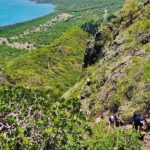
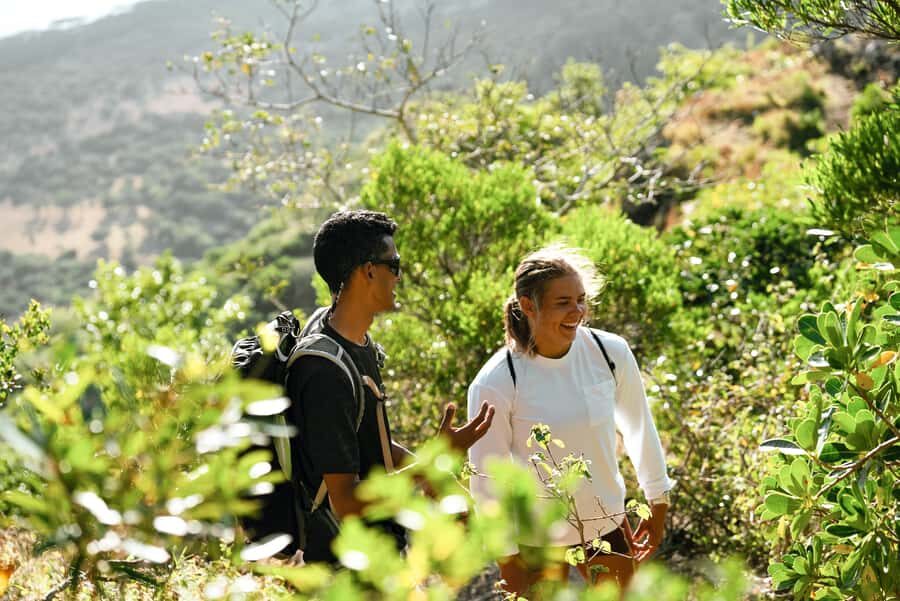
After the briefing, the first stretch goes through luscious rainforest. This is your “get moving” section, but it’s not boring. You’re climbing gradually enough to breathe, yet you’re still earning altitude while the forest wakes up around you.
Your guide will point out the island’s unique flora and fauna, including endemic birds that are often rare. This is where sunrise hiking turns from sightseeing into something more local. Instead of just scanning for scenery, you’re learning what belongs on this island and why.
What to watch for here:
- Bird activity as light increases (you may hear them before you see them)
- Plants growing in specific niches along the path
- The changing footing as the trail transitions from softer ground to rockier steps later
Bring insect repellent and keep your water handy from the start. The hike can feel shorter than you expect, but you’re still moving uphill—dehydration is the sneaky problem.
Trochetia Boutoniona viewpoint: snack break with a real panorama payoff
As you climb, you’ll pause at the Trochetia Boutoniona viewpoint—named after Mauritius’ national flower. This is not just a random stop. The viewpoint break is timed so you get energy before the steeper, more technical parts.
You’ll also get healthy snacks here. That’s key for sunrise hikes because you’re expending energy while your body is still warming up from early morning. Eat something small but real: it helps you handle the harder sections without feeling lightheaded.
Take time for photos, but don’t rush the view. This is your moment to get oriented, to see where you came from and where the ridge line leads next. When the scramble sections start, orientation helps you stay calm.
The four rocky scrambling sections: where safety and confidence meet
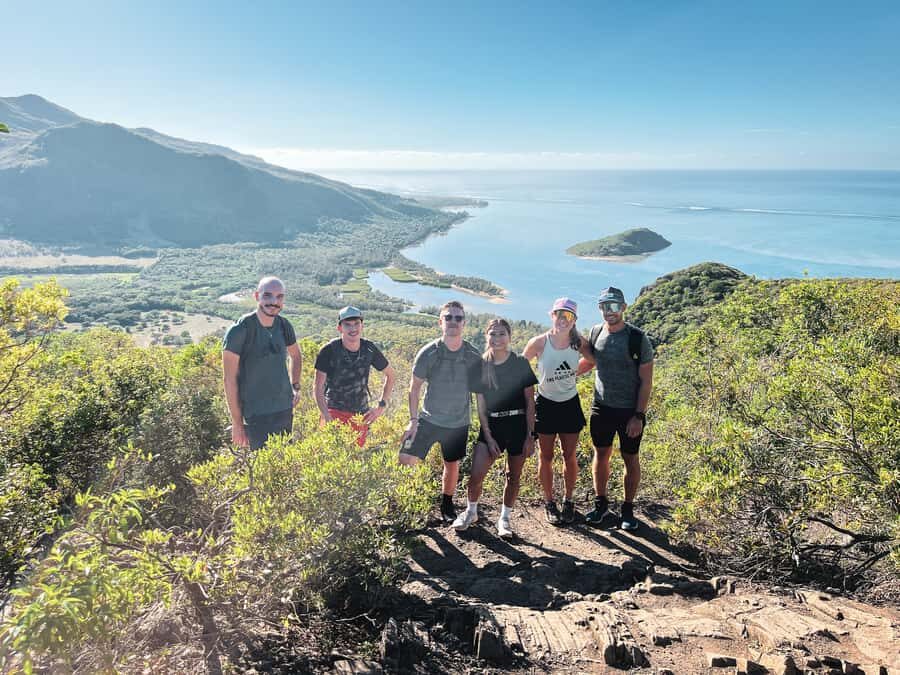
The heart of this hike is the climb toward the summit cross, including four rocky sections that involve scrambling. This is the part that turns “hiking” into “climbing-lite.”
Here’s how to think about it:
- The goal isn’t speed. The goal is stable movement.
- You’ll likely use hands for balance more than you expect.
- A good guide reduces risk by showing you where to put your feet and how to navigate around awkward rock.
In the reviews, people consistently praise guides like Kevin and Eric for helping first-timers feel steady. That’s exactly what you want: instruction that’s practical, not vague.
Still, don’t sugarcoat it. This activity is not suitable for people afraid of heights, with vertigo, or for anyone who isn’t sure-footed. It’s also not for people with certain medical conditions listed by the operator (including heart problems, back problems, and pre-existing conditions). If you’re unsure, treat the scrambling requirement as a deciding factor, not a minor detail.
If you do go: wear shoes with good grip. The tour explicitly says no sandals or flip-flops, and for good reason. Rock plus early morning means slick moments can happen.
You can also read our reviews of more hiking tours in Mauritius
Reaching the memorial cross summit: sunrise rewards at 470 meters
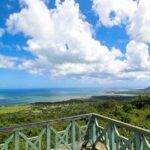
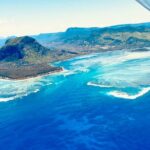
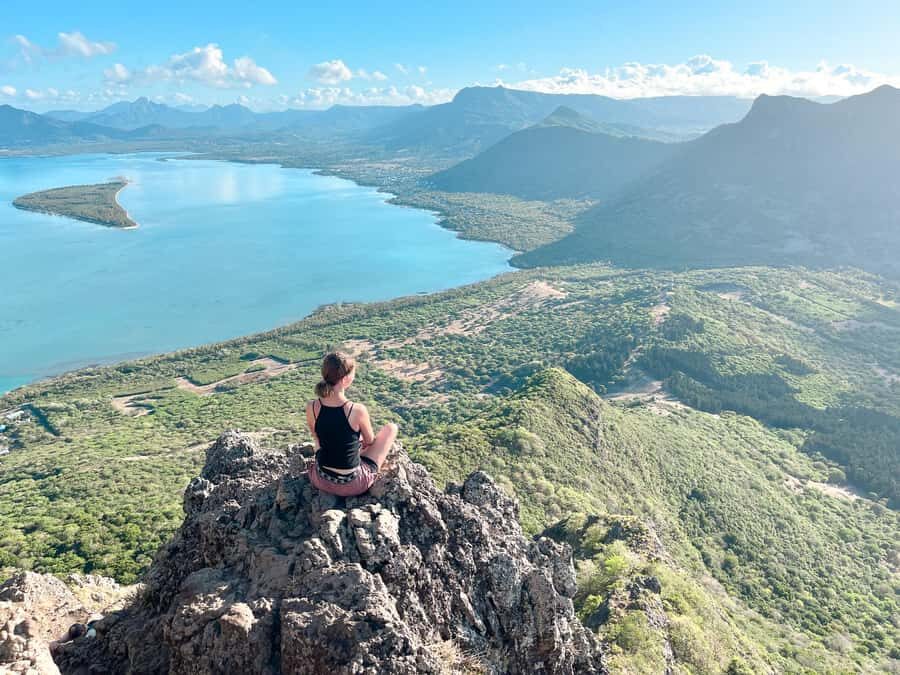
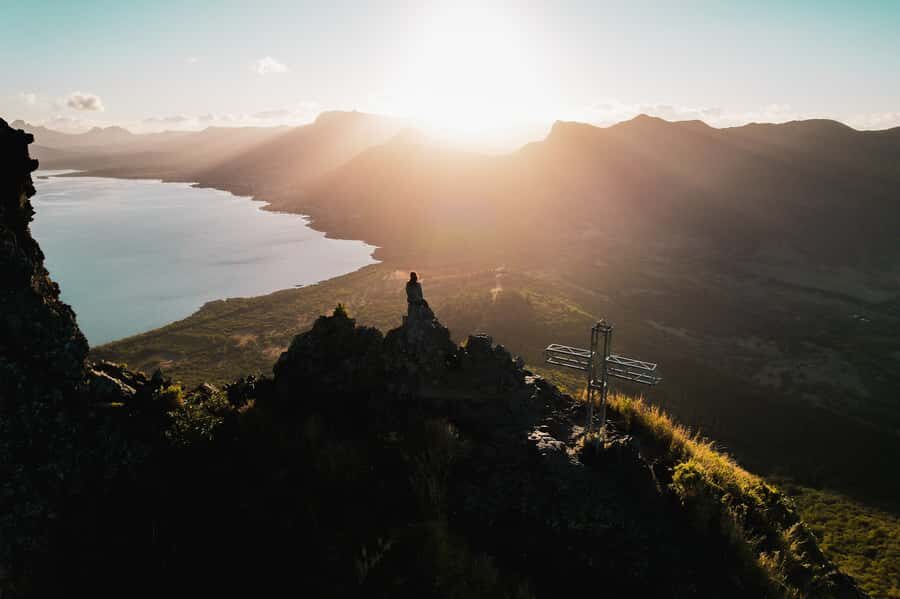
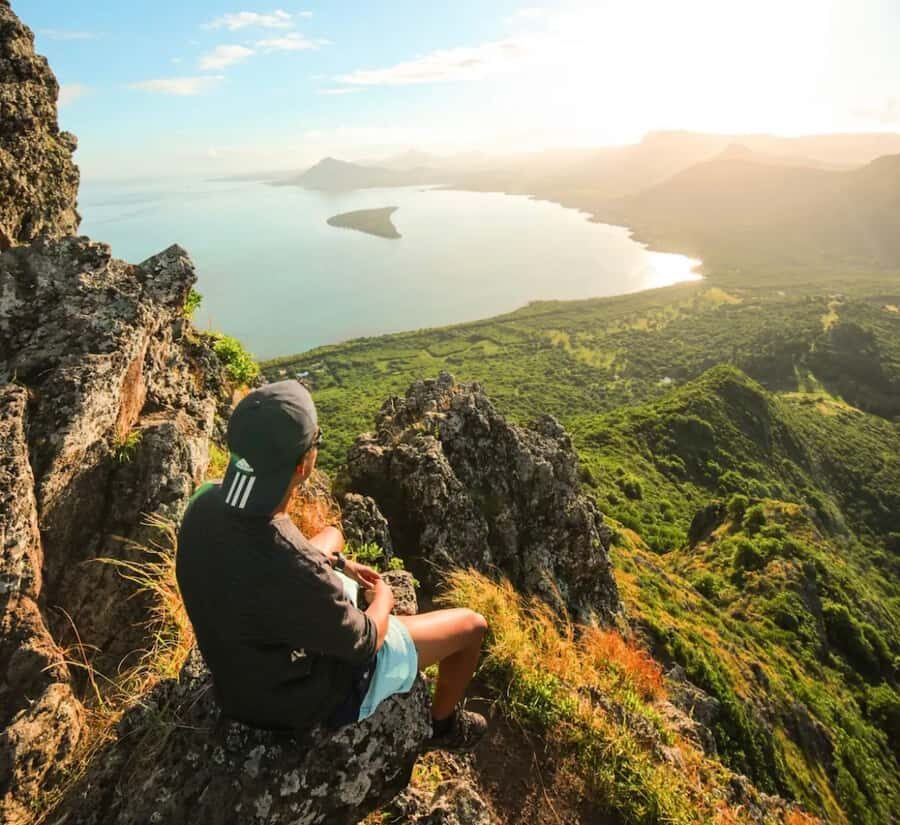
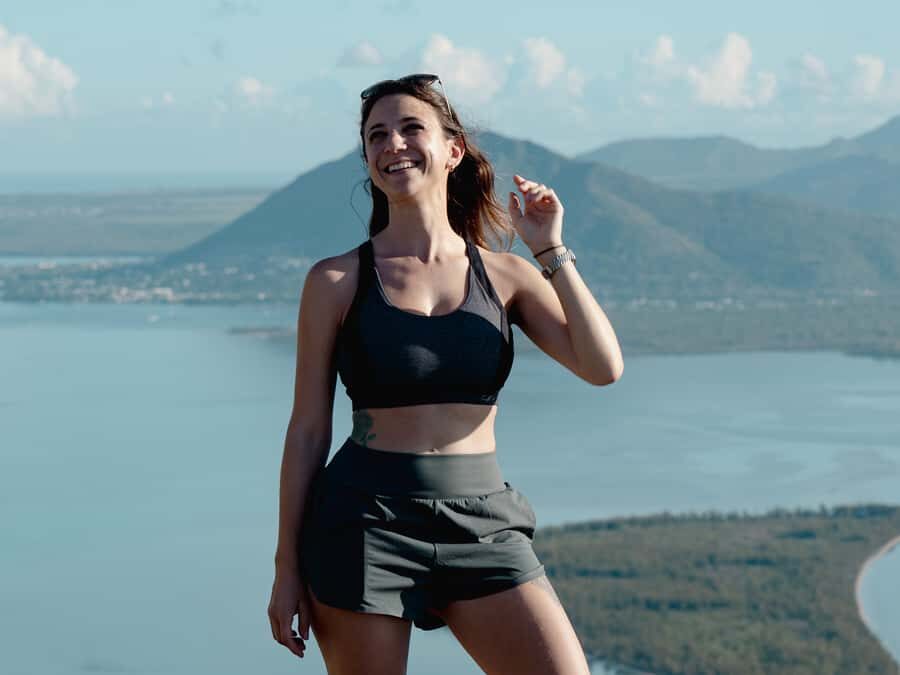
Once you crest the final sections, you reach the 470-meter-high summit. This is where the early start pays off. You see Mauritius from a new angle: wide seascapes, green slopes, and a feeling of scale that’s hard to get from the coast.
Your guide will help you understand what this mountain represents. Le Morne is a UNESCO World Heritage Site, and the route includes historical context tied to the significance of the mountain and the stories connected to it.
At the summit, you’ll have time to snap photos. One common highlight in people’s feedback is a 270-degree view, which makes the climb feel bigger than it does from sea level. You may not be able to see every detail, but you’ll feel that sweeping horizon.
Also: stay present. Sunrise hikes are easy to rush mentally. But at the top, take a minute. Listen to the morning quiet, then the bird sounds returning. It’s a small moment, and it’s one of the best reasons to do this instead of a daytime hike.
The descent: keep your energy, protect your knees, and stick with the route
Going down is where many people underestimate the effort. The scramble sections can feel easier on the way down only if your body stays controlled. If you start sliding, moving too fast, or leaning awkwardly, you’ll pay for it later.
So plan to:
- Follow the guide’s pace and route choices
- Use slow, deliberate foot placement, especially on rock
- Take the breaks when offered rather than forcing through fatigue
This tour is about four hours total, which keeps it from becoming a full-day slog. But four hours with rocky sections still means your legs work. After the summit photos, you’ll head back down, finishing the experience with the same “mountain in motion” vibe—just in reverse.
Fitness and gear: what you need for Le Morne Brabant to feel fun
At $75 per person, you’re paying for more than access to a viewpoint. You’re paying for:
- A guide qualified as a mountaineer
- Safety management through scrambling terrain
- Sunrise timing
- Snacks
- The historical and nature interpretation that turns the climb into a story
That value adds up fast, especially because the technically harder sections are the difference between confident movement and awkward mistakes. If you attempted this on your own, you’d likely lose time figuring out the route and spend extra energy navigating uncertain footing.
To enjoy the hike, bring:
- Hiking shoes (no sandals/flip-flops)
- A sun hat
- Sunscreen
- Water (the operator says each participant must bring at least 1.5 liters)
- Comfortable clothes
- Insect repellent
Also consider what you leave at home: the tour doesn’t allow headphones, and it forbids smoking, alcohol and drugs, and littering. I appreciate this. It keeps the experience focused on nature sounds and safe communication with the guide.
Price, timing, group feel, and language support
This is a 4-hour guided experience. Sunrise hikes mean early starts, and one review specifically mentions waking up around 3am to make it worth it. Even if your exact time varies, treat this as an early-morning commitment.
Language support is French and English, so you can expect the guide to be able to explain the natural history and the island background clearly.
The tour is designed for a small-group feel (so you’re not lost in a crowd). That matters on a scrambling hike because you want space to move and enough attention to keep you safe.
Who should book this sunrise climb—and who should skip it
This tour is for you if:
- You want a real mountain climb, not a casual walk
- You feel comfortable on uneven ground and exposed rock
- You like nature spotting and want a guide to explain what you’re seeing
- You’re okay with early mornings for sunrise views
You should probably skip it if you:
- Fear heights, have vertigo, or get motion sickness easily
- Need accessibility accommodations not covered here
- Have back or heart problems, or other pre-existing medical conditions listed as not suitable
- Are over 60 or have low fitness for outdoor climbing
- Don’t have hiking experience and you aren’t confident handling scrambling
If you’re a beginner but adventurous, the guide’s role can make a difference. Still, the scrambling requirement is real, so don’t assume beginner equals easy.
Should you book the Horazis Le Morne guided sunrise hike?
Book it if you want a sunrise hike in Mauritius that feels like a guided adventure, with rainforest life, a meaningful UNESCO setting, and a summit that earns its views. The combination of qualified climbing guidance, snacks, and history/nature interpretation is strong value for $75—especially when the hardest part is precisely what you want an expert to coach.
Skip it if scrambling and exposure sound scary to you, or if your health or mobility limits don’t match the operator’s not-suitable list. In that case, choose a calmer coastal or viewpoint experience and save your energy for the rest of Mauritius.
If you’re on the fence, your decision usually comes down to one question: can you move carefully on rocky ground with some height exposure? If yes, this is a very satisfying way to experience Le Morne at its best light.