REVIEW · TROU DEAU DOUCE
Tea and Culture Route
Book on Viator →Operated by TIPIK TOUR · Bookable on Viator
Five stops, one day, lots of meaning.
This private Tea and Culture Route in Trou d’Eau Douce stitches together Mauritius’ Hindu traditions, sacred landscapes, and two very local tastes: tea at Bois Chéri and rum at Saint Aubin. With a guide in your car and hotel pickup/drop-off, you get a smooth, back-to-back day without trying to solve transport on your own.
I especially like the cultural context you get along the way, including clear explanations of Hindu practices and why places like Grand Bassin matter so much. I also love the food-and-drink angle that feels practical, not touristy—think tea samples at Bois Chéri and the chance to learn how Saint Aubin rum fits into the island’s longer sugar-and-crop story.
One drawback to plan for: the day is timed tight. You’ll only spend about 10 minutes at Vacoas, and if you’re hoping for more focus there, you might feel the schedule pulls you onward quickly.
In This Review
- Key Things You’ll Notice on This Tea and Culture Route
- A Smart One-Day Mix of Temples, Tea, and Rum
- Getting Picked Up in Trou d’Eau Douce (and Keeping Your Day Easy)
- Stop 1: Vacoas Reservoir and the Water Story You Might Miss Otherwise
- Stop 2: Grand Bassin and the Giant Shiva Statue
- Stop 3: Bois Chéri Tea Factory, Tea Museum, and the Vanilla-Tea Angle
- Stop 4: Amma Tookay Hindu Temple and the Rebuild After Disaster
- Stop 5: Saint Aubin Rum Distillery and the Sugar-to-Rum Continuity
- Timing, Value, and What You’re Paying For
- Who This Tour Fits Best
- Quick Practical Tips Before You Go
- Should You Book the Tea and Culture Route?
- FAQ
- FAQ
- How long is the Tea and Culture Route?
- What does the tour cost?
- Is hotel pickup and drop-off included?
- Is this a private tour?
- Are entrance tickets included?
- Is lunch included?
- Are drinks and alcoholic drinks included?
- Do they offer a vegetarian option?
- Is a minimum number of people required?
- What happens if the weather is bad?
Key Things You’ll Notice on This Tea and Culture Route

- Private guide, private pace: it’s just your group in the car, so you can ask questions and linger a bit where you care most.
- Grand Bassin’s Shiva statue: the giant figure is described as unique in the southern hemisphere, and it’s the kind of sight you won’t forget.
- Bois Chéri tea factory experience: you tour the factory/plantation area and can taste flavored, green, and herbal teas.
- Temples with real backstory: the Amma Tookay Hindu Temple has an origin tied to workers building with bamboo and straw, plus a cyclone rebuild.
- Rum with a long family timeline: Saint Aubin is framed as an eight-generation business connected to Mauritius since 1819.
A Smart One-Day Mix of Temples, Tea, and Rum

This route works because it doesn’t treat culture as decoration. Each stop has a job in the day: one explains water and daily life, one connects to faith, one brings you into a working tea landscape, one shows how communities rebuild, and one ends with a spirit that grew out of agriculture.
You’ll be doing a lot of “switching gears,” but that’s the point. Mauritius is an island where religion, crops, and history keep overlapping, and this tour gives you that feeling in a single outing.
Also, you’re not stuck in a big bus. It’s a private tour for up to 3 people, and the guide-driver combo helps the day feel organized rather than rushed.
You can also read our reviews of more tours and experiences in Trou dEau Douce.



Getting Picked Up in Trou d’Eau Douce (and Keeping Your Day Easy)
You start with pickup and you end with drop-off back at your hotel. That might sound basic, but in Mauritius it’s huge. The time you save is time you can actually spend in Grand Bassin, the tea factory, or the distillery instead of hunting for transport.
The tour runs about 6 to 7 hours, and the provider notes that transfer times depend on time of day and traffic. So if you’re traveling with tight plans later that day, leave some buffer.
This is also the kind of tour where having a guide really matters. In the reviews, Arun comes up as a standout—someone who gave clear information about Mauritius culture and history, while still giving you enough time at each stop to enjoy it rather than just “hustle past” sights.
Stop 1: Vacoas Reservoir and the Water Story You Might Miss Otherwise
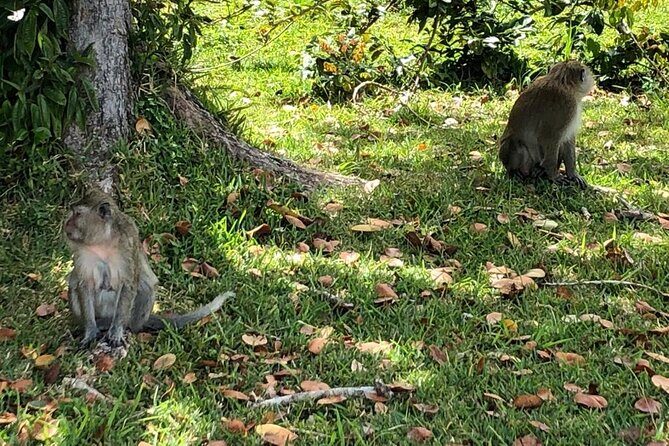
You’ll make a quick first stop at Vacoas: the Mare aux Vacoas reservoir. It’s not just another body of water—it’s described as the largest lake of Mauritius and the main water reserve supplying potable water for the nation and for people in the upper Plaines Wilhems.
What I like about starting here is that it grounds the rest of the day. You go from essential island infrastructure to sacred sites, then to agriculture (tea and sugar crops), and finally to rum. It all feels connected once you see the “water to crops to culture” thread.
The trade-off: the stop is listed at about 10 minutes. That means you’ll get the concept and move on fast. If you’re hoping for photos, a longer viewpoint moment, or a slower introduction, you might want to accept that this is a quick orientation stop.
Stop 2: Grand Bassin and the Giant Shiva Statue
Grand Bassin is the emotional center of the day. You’ll spend around 30 minutes here, with time to learn about Hindu culture, the sacred lake, and the famous giant Shiva statue.
The tour description points out that the statue is unique in the southern hemisphere. Even if you’ve seen other giant statues elsewhere, this one hits different because it’s tied to a living religious landscape rather than a distant monument. The sacred lake adds weight to the visit, and your guide’s explanations help you see what you’re looking at.
This is also where your guide’s pacing shows. In a review, a person suggested skipping Vacoas to stay longer at Grand Bassin or the tea factory, and I get that instinct: Grand Bassin is the stop most likely to reward extra time. That said, the schedule still gives you enough time to understand the place and enjoy the views without feeling stuck.
Stop 3: Bois Chéri Tea Factory, Tea Museum, and the Vanilla-Tea Angle
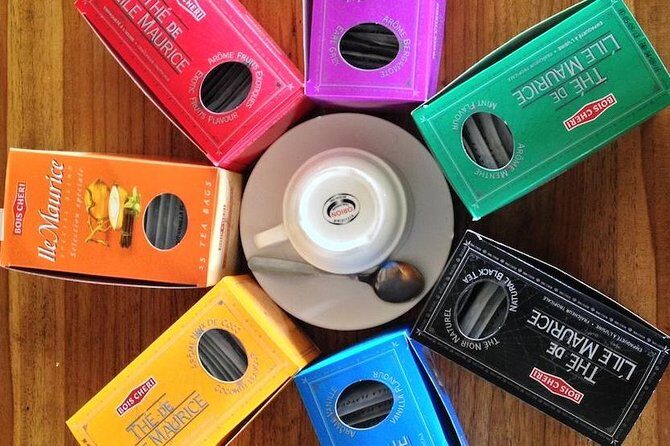
Bois Chéri is where the tour shifts into something you can actually taste and buy, but in a way that still feels educational. You’ll get a guided tour that covers the factory and the tea plantation area, plus a tea production museum visit.
Expect about 1 hour total at this stop. Admission at the tea factory isn’t included, so plan for that cost separately.
What you’ll get out of the visit (besides pictures) is the story behind tea in Mauritius—how it started, why it matters, and how production works on the ground. The tour description highlights the history and importance of tea production, and that context makes the sampling feel more meaningful.
And yes, sampling is a big part. The tour specifically calls out tasting Mauritian vanilla tea. It also mentions a current range of flavored teas, green teas, and herbal teas, with the chance to taste them during your visit.
Two practical notes:
- This is a great stop if you like food history and hands-on manufacturing stories, not just sightseeing.
- If you care most about tea, you’ll probably love this segment enough that the Vacoas time limit won’t bother you.





Stop 4: Amma Tookay Hindu Temple and the Rebuild After Disaster
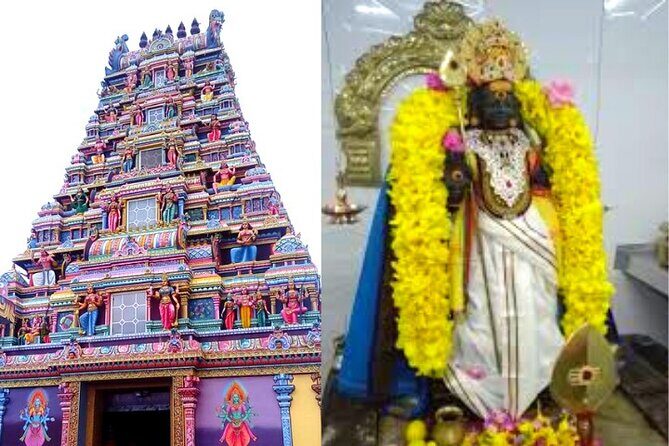
Next is Amma Tookay Hindu Temple, where you’ll spend about 20 minutes. The story here is the kind that makes a temple feel personal instead of generic.
The tour description explains that the first version of the temple was built by hired workers using bamboo and straw. It was devastated after a cyclone, but the statue remained. The rebuild story continues with attempts to move the statue that didn’t succeed, and later community work to create a new temple using wood and tin sheets.
A local planter, Narainsamy Thungapen, is mentioned as the person who decided to rebuild the temple, with help from locals. That’s the sort of detail I like on these tours—the reminder that heritage isn’t frozen. It gets rebuilt by real people.
Admission here is listed as free, so you’re paying mainly in time, not tickets. And because the stop is relatively short, it fits cleanly in the day without turning into a long side quest.
Stop 5: Saint Aubin Rum Distillery and the Sugar-to-Rum Continuity
You finish with Saint Aubin, spending about 1 hour. Admission is listed as free at this stop.
The framing is clear: since 2003, agricultural rum production has been happening at Saint Aubin, but before that the site was growing sugar cane since 1819. The tour also ties the business to family continuity—Jean Baptiste Guimbeau is described as establishing the family business in Mauritius in 1793, with the business traceable across eight generations.
This last stop is one of the best ways to understand Mauritius as an agricultural island. Tea and rum weren’t chosen at random in the itinerary. You’re seeing two crop-based industries that grew out of land use, labor, and long-term investment.
In the tour notes, alcoholic drinks are marked as available to purchase, meaning you shouldn’t count on free pours beyond what’s built into the visit. The value here is the story and the tour experience, not unlimited tasting.
If you’re the type of person who likes your souvenirs edible, this is where you can connect the day to a bottle you’ll actually remember.
Timing, Value, and What You’re Paying For
At $111.58 per group (up to 3), the price is built around private logistics more than “ticket costs.” For that money, you get:
- a professional driver guide
- hotel pick and drop-off
- guided visits through multiple sites across the south of Mauritius
Entrance tickets are not fully included. The tea factory stop is specifically listed as admission not included, while other stops are marked as free. So the real spend you should anticipate is tied to Bois Chéri.
Here’s how I think about value:
- If you were to self-drive or hire separate transport for tea plus distillery plus temples, the cost and hassle add up quickly.
- If you want a guide who can connect Hindu culture, agriculture, and local history into one coherent day, the private format justifies the price.
The day length (6 to 7 hours) is also a factor. It’s long enough to feel like a real excursion, but not so long that you’re guaranteed exhaustion by hour five.
Who This Tour Fits Best
This is a strong match if you like:
- cultural sites with explanations that put them in context
- food-and-drink stops that feel tied to local life
- a private day plan where you’re not sharing a van with strangers
It’s especially good for small groups or couples who want to control the pace a bit and ask questions. Reviews back up the “guide quality” angle—Arun is highlighted for giving a lot of useful information while still respecting the rhythm of each stop.
If you’re mostly chasing the most spectacular scenery and photo time, you may find Vacoas too short. But for many people, the trade-off makes sense because the day’s main payoff is Grand Bassin and Bois Chéri.
Quick Practical Tips Before You Go
Good weather is required for this experience, so keep an eye on forecasts close to your departure day. Also, plan that there’s no lunch included, and drinks are available to purchase (with alcoholic drinks sold separately from the included parts).
If you want a vegetarian option, it’s noted as available—just ask at booking. And if you’re traveling with kids, they must be accompanied by an adult.
Should You Book the Tea and Culture Route?
If you want one day that connects Mauritius’ Hindu heritage to tea production and rum-making—without dealing with transport headaches—this is a smart booking. The private setup, the guide-led explanations, and the tea-and-rum focus give it a clear identity.
I’d only hesitate if your priority is staying longer at every stop you visit. The route is efficient, and Vacoas is brief. But if you’re okay with a tight schedule in exchange for hitting the island’s best story-driven stops, book it and focus your attention on Grand Bassin and Bois Chéri.
FAQ
FAQ
How long is the Tea and Culture Route?
The tour lasts about 6 to 7 hours, depending on timing and traffic.
What does the tour cost?
It’s $111.58 per group, up to 3 people.
Is hotel pickup and drop-off included?
Yes. Pickup and drop-off to your hotel are included.
Is this a private tour?
Yes. It’s private, and only your group participates.
Are entrance tickets included?
Not all of them. The tea factory admission is listed as not included, while other stops like Vacoas, Grand Bassin, Amma Tookay Hindu Temple, and Saint Aubin are listed as free.
Is lunch included?
No, lunch is not included.
Are drinks and alcoholic drinks included?
Alcoholic drinks and drinks are available to purchase. They are not included.
Do they offer a vegetarian option?
Yes. A vegetarian option is available if you advise during booking.
Is a minimum number of people required?
Yes. The tour requires a minimum of 2 people per booking.
What happens if the weather is bad?
This experience requires good weather. If it’s canceled due to poor weather, you’ll be offered a different date or a full refund.