REVIEW · HIKING & TREKKING
Mauritius: Le Morne Brabant Hike with Historical Immersion
Book on GetYourGuide →Operated by Expériences Mo Ti Zil · Bookable on GetYourGuide
One mountain. Big feelings. Even bigger views. Le Morne Brabant’s trails are a workout, but the payoff is hands-on history—plus sweeping views over Mauritius.
I like two things most: a guided climb that actually teaches (not just scenery), and the way you get rewarded at the top with photo support and clear, dramatic perspectives. One caution: this hike is physically demanding, and it’s not a fit for many medical situations or if you’re prone to vertigo.
In This Review
- Key highlights I’d plan around
- Why Le Morne Brabant Matters More Than the Views
- Meeting at the Slave Route Monument: Start With the Story
- The 4-Hour Plan: Climb Time, Stop Time, Summit Time
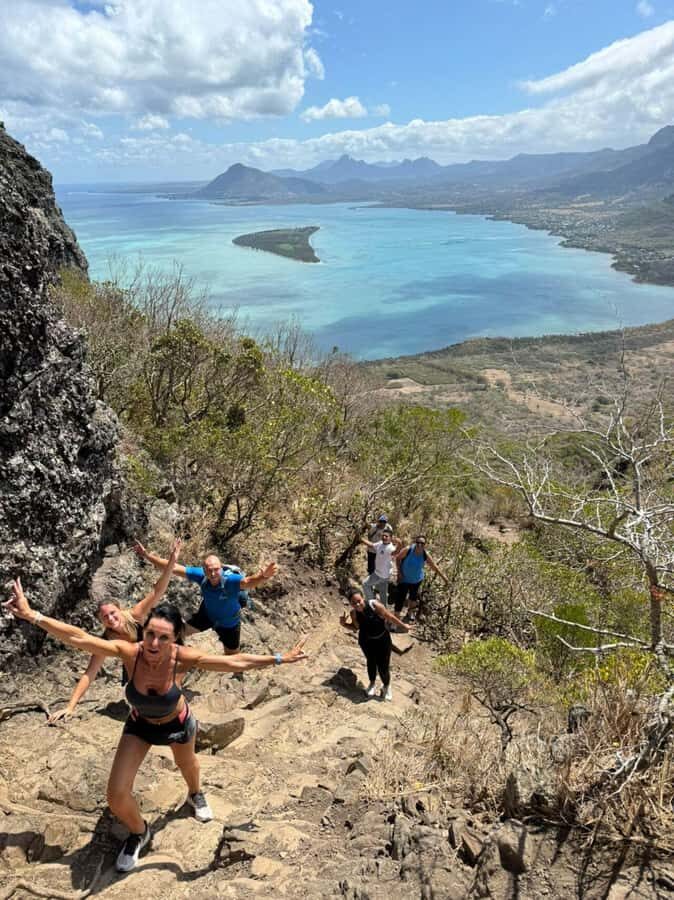
- The Climb Itself: What to Expect on Foot
- Guides Make It: Cedric, Gaël, and the Difference Between Walking and Learning
- Views That Feel Real: Lagoons, Cliffs, and the Southwest Feeling
- Nature Notes: Endemic Plants and Bird Life on the Trail
- Photos and the Summit Pause: Small Extras That Matter
- Who This Hike Is Best For (and Who Should Skip It)
- Price and Value: What $64 Buys You in Real Terms
- What to Bring and What Not to Do
- How to Get the Most From Your Guide in Real Life
- Should You Book This Le Morne Brabant Hike?
- FAQ
- How long is the Le Morne Brabant guided hike?
- Where do I meet the guide?
- What languages are available for the live tour guide?
- What should I bring for the hike?
- Is the hike suitable if I have asthma?
- Is this activity safe during pregnancy?
- What should I wear or avoid?
- What happens if the weather is bad?
Key highlights I’d plan around
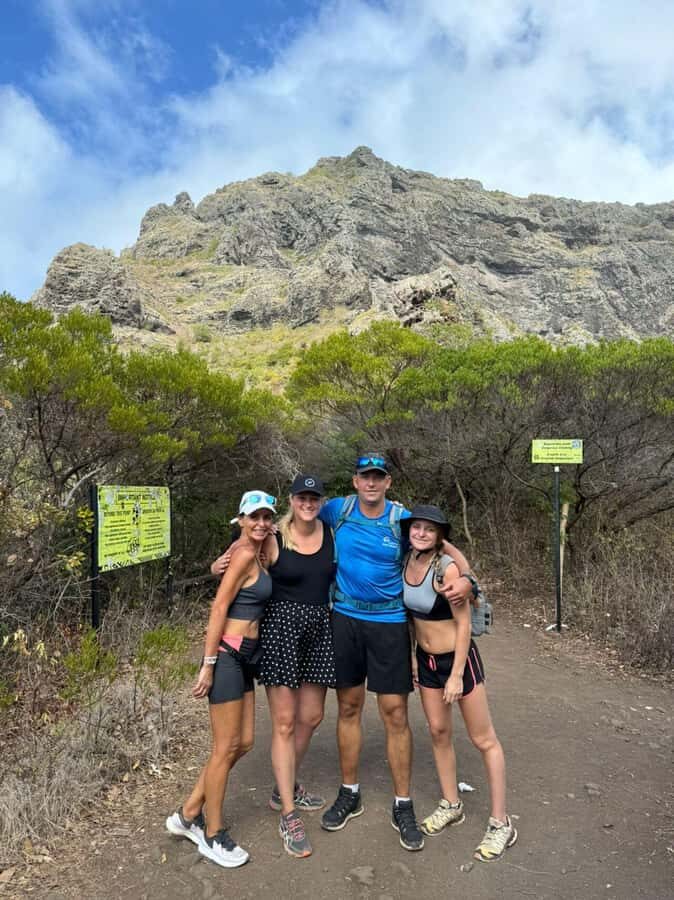
- History on the trail: you start with the Slave Route Monument and keep hearing the story as you climb
- Guides who manage the hard parts: Cedric and Gaël get special mentions for support and safety
- Top-of-mountain rewards: summit views over turquoise lagoons and dramatic cliff lines
- Nature you can name: endemic plants like Trochetia boutoniana (Boucle d’Oreille) and bird life
- Photo help included: you’re not just left to fend for yourself with a phone and shaky hands
Why Le Morne Brabant Matters More Than the Views
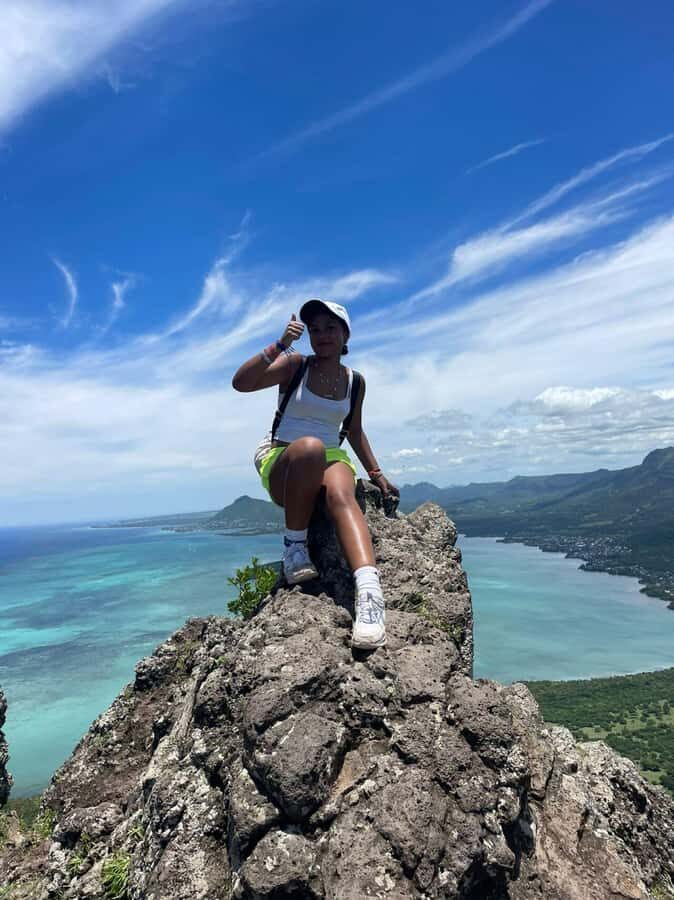
Le Morne Brabant is one of Mauritius’s most recognizable mountains for a reason. Yes, the outlook is stunning, but the place also carries deep meaning: it served as a refuge for escaped slaves and later became a symbol of resistance and freedom.
What I like about doing it as a guided hike is that the story stays attached to the trail. You’re not looking at a memorial like a postcard—you’re walking through the setting where people sought safety, while the landscape around you shows why it could work as a hiding place.
If you care about history, this is one of those experiences where the facts land differently because you’re on the ground, breathing the air, and feeling the climb.
You can also read our reviews of more historical tours in Mauritius
Meeting at the Slave Route Monument: Start With the Story
Your meeting point is straightforward: Le Morne Public Beach, directly in front of the Slave Route Monument. You meet your guide there, then you return to your vehicles and follow the guide to the start of the hike.
I recommend arriving a few minutes early so you’re not rushed before the climb. The Slave Route Monument is a good “mental warm-up,” because it frames what you’re about to do: walk a route tied to survival, not just a viewpoint.
Language options are French and English, which helps you get the most out of the explanations along the way. If you’re choosing between languages, pick the one where you’ll feel comfortable asking questions.
The 4-Hour Plan: Climb Time, Stop Time, Summit Time
This experience is listed as 4 hours from start to finish, and you’ll hike with a professional guide for that full window. Expect a route that’s challenging enough that guides talk about safety and pacing—not a casual stroll.
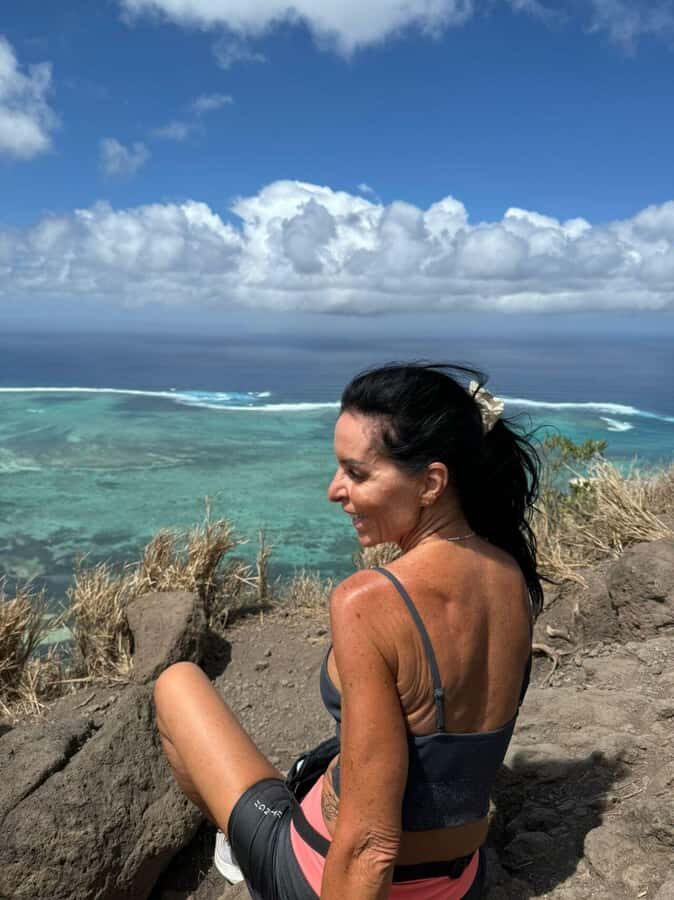
At the summit, you get a small moment to reset and enjoy the view. One of the neat details mentioned is that there can be cold juice at the summit, which sounds simple until you’re actually working hard on a warm climb.
The route can also change based on conditions. If weather turns bad, your hike may be postponed and you may get a chance to retry, including in the morning.
The Climb Itself: What to Expect on Foot
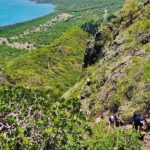
This is the part you should plan for like a real hike. You’ll be on a trail with uneven ground and steep sections, and the summit effort is where you’ll feel it most.
Bring the right footwear. Sandals and flip flops are not allowed, so come in hiking shoes or comfortable sturdy shoes with good grip. The other practical items matter too: water, sunscreen, sunglasses, and a hat.
If you’re thinking about pace, I’d treat this as: you’ll go at your effort, but you should still expect a “real climb.” One negative scenario I want you to learn from is simple: if a guide leaves you behind for long stretches at decision points, you can end up more stressed than you need to be. So ask how the group handles pace and regrouping before you start.
Guides Make It: Cedric, Gaël, and the Difference Between Walking and Learning
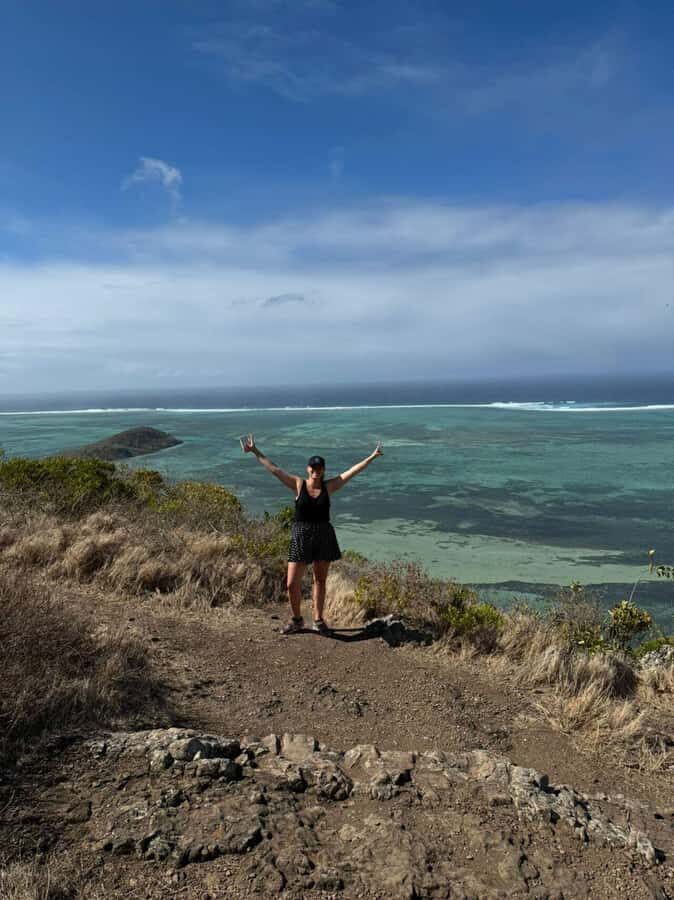
The most consistently praised part of this hike is the guiding. Many people highlight the same pattern: the guide isn’t just leading you up the mountain—they’re teaching while you walk and staying attentive when the trail gets tough.
Cedric is specifically praised for history lessons and for helping on harder sections. Gaël also gets strong mentions for sharing history and helping with couple photos. If you’re a first-timer to Le Morne, a guide who knows the story and the trail makes it feel like two experiences in one.
How do you tell if the guide will match your expectations? In your head, set a goal: you want both safety and explanation. If you start and you only hear the minimum, it’s okay to ask for more context. A good guide can slow down slightly and point out details you’d otherwise miss.
You can also read our reviews of more hiking tours in Mauritius

Views That Feel Real: Lagoons, Cliffs, and the Southwest Feeling
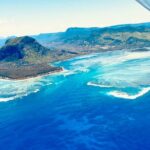
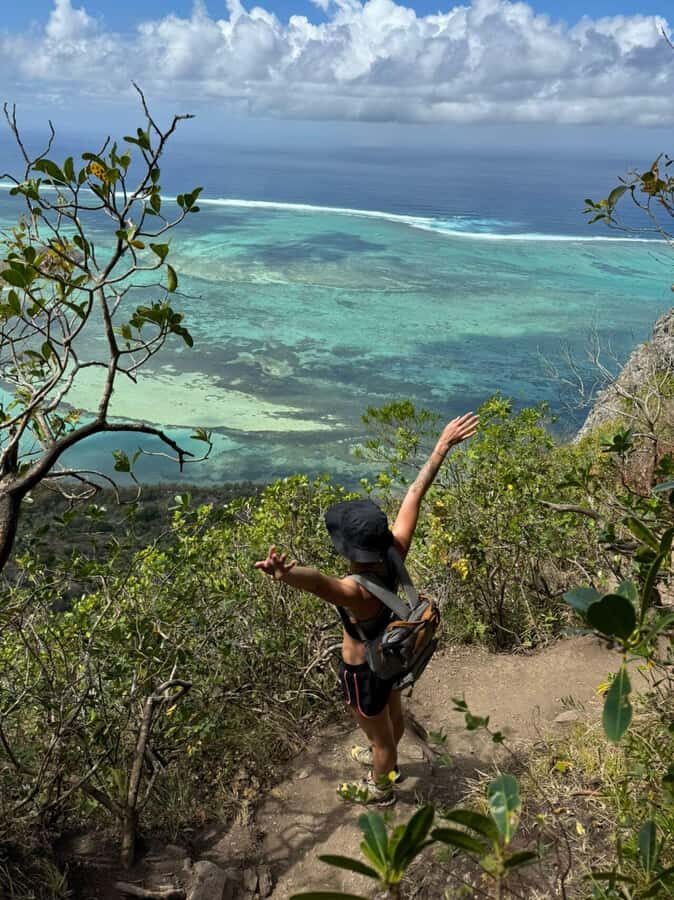
The views are the headline: turquoise lagoons and dramatic coastline-like cliff lines. But what matters isn’t just that the scenery is pretty—it’s that the outlook helps you understand why this mountain has become an icon.
Up high, you can see Mauritius stretching out below, and the cliffs give the landscape a sense of scale. It’s the kind of panorama that makes you stand still for a second even if you’re breathing hard.
One practical tip: bring sunglasses and protect your eyes before you reach the summit. With bright light and open viewpoints, you’ll be thankful you did.
Nature Notes: Endemic Plants and Bird Life on the Trail
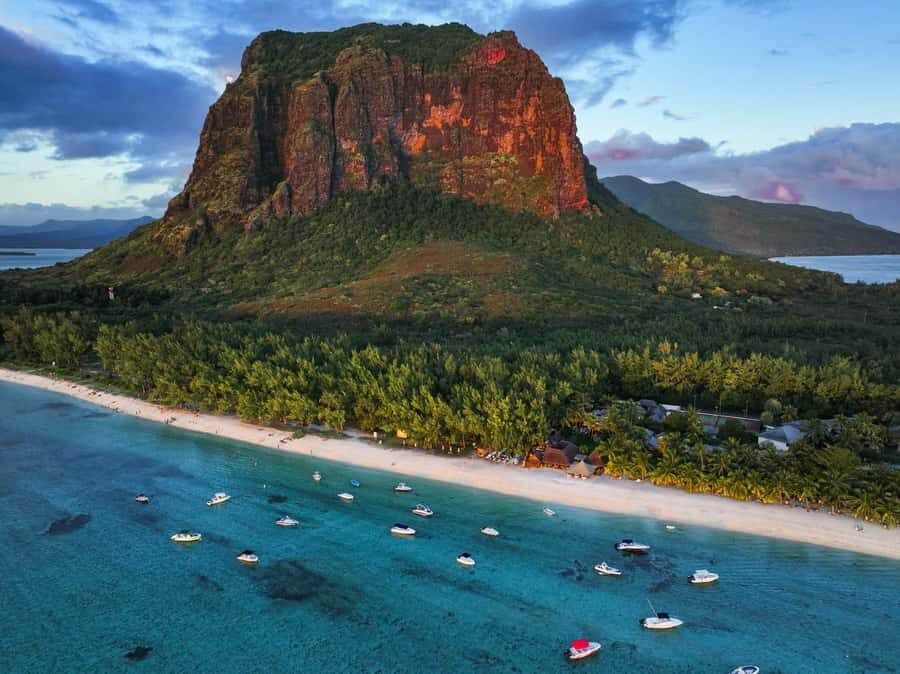
This isn’t only about human history. Le Morne Brabant also has distinctive biodiversity, including endemic plant species.
A plant you’ll hear about is Trochetia boutoniana, also known as Boucle d’Oreille, the national flower of Mauritius. Even if you don’t memorize the Latin name, the point is that you’re walking through a habitat that’s special to this island.
Bird species and other wildlife can appear in the area too. Your guide should be able to point out what’s visible at the time of your hike, so don’t be shy about asking what you’re likely to spot.
Photos and the Summit Pause: Small Extras That Matter
Photos are included, which I genuinely appreciate on hikes. If you’ve ever tried to take a sharp landscape photo while hiking uphill, you know how quickly it turns into shaky blur and awkward angles.
People also mention getting photos that work well for couples, and that the guide stays involved rather than handing you the instruction manual and disappearing. On the summit, the combination of a short rest and photo support makes reaching the top feel more rewarding, not just exhausting.
If you want better photos, plan to ask your guide where to stand before you rush to the best view. That tiny bit of guidance can make the difference between a good shot and a “we were there” photo.
Who This Hike Is Best For (and Who Should Skip It)
This hike can challenge and delight guests of all ages and fitness levels—but the “not for everyone” list is long, and you should take it seriously.
It is not suitable for:
- Pregnant women
- People with back problems
- People with heart problems
- People with vertigo
- People with respiratory issues
- People with diabetes
- People over 65 years
- People with pre-existing medical conditions
- People with recent corrective surgery (knees or spine is specifically mentioned)
- People with low level of fitness
Asthma needs a specific note: if you’re susceptible, you must bring your bronchial inhaler. Also let the operator know early pregnancy concerns or recent surgeries, because this is a trail where safety decisions matter.
If you’re fit, steady on uneven ground, and comfortable with heights, you’ll likely love it. If you’re unsure, I’d rather you ask before booking than hope the trail “turns out fine.”
Price and Value: What $64 Buys You in Real Terms
At $64 per person for a 4-hour guided hike, the value comes from three things you don’t get when you hike alone:
- A guide who connects the landscape to the story of the Slave Route and resistance.
- Help during tough sections, including safety focus.
- Photos included, plus a structured plan for the day.
What you’re paying for isn’t just “being outside.” You’re paying for interpretation and support, so you don’t lose the history while you’re focused on your footing.
That said, group dynamics can affect your experience. One caution from real-world scenarios: some people felt the pace/support wasn’t ideal for their group, which left them needing to navigate more than they expected. If that worries you, ask how the group is managed and whether the guide stays together during decision points.
What to Bring and What Not to Do
This is the kind of hike where small choices matter.
Bring:
- Comfortable shoes or hiking shoes
- Sunglasses
- Hat
- Sunscreen
- Water
Not allowed:
- Sandals or flip flops
- Littering
Also, if you have relevant medical needs, disclose them in advance. If you’ve had recent corrective surgery on knees or spine, this isn’t a casual “take it slow” situation.
Finally, expect weather to play a role. The hike may be postponed in adverse conditions, so don’t treat the day as a locked-in photo shoot with no alternatives.
How to Get the Most From Your Guide in Real Life
You’ll enjoy this hike more if you treat it like a conversation, not a lecture.
Here’s what I’d do:
- Ask the guide to explain what you’re seeing right now, not what you saw ten minutes ago.
- Tell them how you feel about the climb early on. If you want slower pacing, say it before the hardest section starts.
- If you care about photos, ask where you’ll stop for good shots and whether the guide can take pictures for you.
A few people specifically called out that the guide’s history lessons were very interesting and “spot on,” and others mentioned strong energy and humor. That’s a sign the guide skill isn’t just factual—it’s also about keeping you motivated and safe.
If you end up with a guide who’s light on explanations, you should still be able to request more. Good guides can adjust, especially when they notice you’re engaged.
Should You Book This Le Morne Brabant Hike?
I’d book it if you want a Mauritius hike that connects dramatic scenery with a story that matters. The combination of Slave Route Monument context, guided history, and real summit views makes it feel purposeful, not just scenic.
I would not book it if any of the listed health constraints apply, or if steep trails and heights make you anxious. You’ll be happier—and safer—choosing a different kind of experience.
If you’re comfortable hiking for about four hours, bring the right gear, and go in ready to learn while you walk, this is a very strong value pick at $64.
FAQ
How long is the Le Morne Brabant guided hike?
The duration is 4 hours.
Where do I meet the guide?
Meet your guide at Le Morne Public Beach, directly in front of the Slave Route Monument. From there, you return to your vehicles and follow the guide to the beginning of the hike.
What languages are available for the live tour guide?
The guide offers French and English.
What should I bring for the hike?
Bring comfortable shoes (or hiking shoes), sunglasses, a hat, sunscreen, and water.
Is the hike suitable if I have asthma?
If you are susceptible to asthma, you must bring your bronchial inhaler.
Is this activity safe during pregnancy?
Pregnancy is listed as not suitable, including early stages of pregnancy that should be disclosed to the operator.
What should I wear or avoid?
Sandals and flip flops are not allowed.
What happens if the weather is bad?
The activity may be postponed in case of adverse weather conditions.