REVIEW · SCUBA DIVING
Tamarin Bay: Beginners Scuba Diving Experience
Book on GetYourGuide →Operated by Tamarin OceanPro Diving LTD · Bookable on GetYourGuide
First time trying scuba is nerve-wracking, not impossible. This Tamarin Bay experience is built for complete beginners, with patient guidance, calm conditions, and step-by-step practice so you can experience breathing underwater without feeling thrown in at the deep end.
I especially like the small group size (max 8). That extra attention matters when you’re learning buoyancy, breathing control, and basic safety at the same time. Another thing I really appreciate is the training flow: you start in a swimming pool to get comfortable with the equipment and the feeling of controlled breathing underwater.
One consideration: the underwater time and marine variety can feel limited compared with “big reef” expectations. The experience is designed for confidence first, so you’re not going for maximum spectacle every minute.
In This Review
- Key things to know before you go
- Why Tamarin Bay is a smart pick for your first scuba session
- The 3-hour schedule: from medical forms to your first underwater breathing
- Instructor attention: why small groups change everything on a first attempt
- Pool practice: the moment your brain stops panicking
- What you’ll see under the water: reef fish and corals, with realistic expectations
- Price and value: what $109 gets you (and what you’ll pay for separately)
- What to bring (and what to avoid) so you stay comfortable
- Health and safety rules: who should not go, and what paperwork may be required
- The biggest downside you should watch for: reef expectations
- Who this experience is best for in Mauritius
- Should you book this beginner scuba session in Tamarin Bay?
- FAQ
- Do I need a scuba license to try this?
- How long is the Tamarin Bay beginner session?
- What’s the group size?
- What’s included in the price?
- What should I bring with me?
- Is food or transfers included?
- Who is not suitable to participate?
Key things to know before you go
- No license required: this is designed for true first-timers.
- Pool practice first: you learn the basics before going out on the water.
- Small groups (8 max): easier instructor attention and smoother learning.
- Calm, shallow conditions: built for comfort and confidence.
- You get a real instruction rhythm: briefing, equipment checks, then monitored underwater exploration.
- Solid value at $109: equipment, insurance, and water are included, with a few items you’ll need to bring yourself.
Why Tamarin Bay is a smart pick for your first scuba session
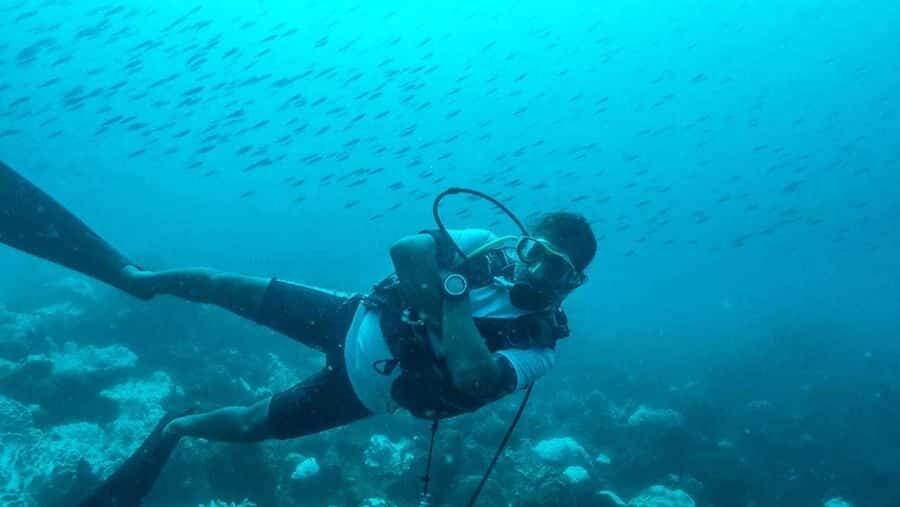
Tamarin Bay has a “gentle start” feel that fits first-timers. You’re not showing up and immediately chasing fish at random depths. Instead, the whole setup leans toward comfort: paperwork, a clear safety talk, equipment coaching, then short, controlled time in the water under close supervision.
What makes this location work for beginners is the emphasis on calm, shallow water. That means you spend less time worrying about panic and more time learning how scuba actually feels in your body. Breathing through the regulator becomes normal sooner when conditions stay steady.
And because the session is capped at 8 participants, it doesn’t turn into a crowded classroom. When you’re learning something as physical as breathing underwater, small numbers help a lot.
You can also read our reviews of more scuba diving tours in Mauritius

The 3-hour schedule: from medical forms to your first underwater breathing
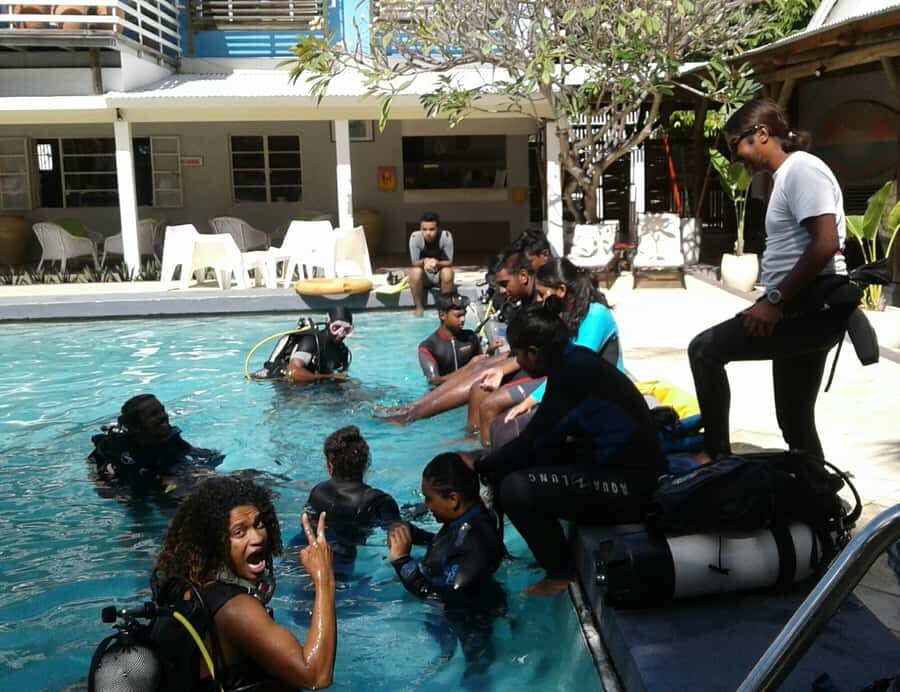
This experience runs about 3 hours, and the flow is designed to move you from land to water without chaos.
1) Arrive and handle paperwork
You’ll start at the scuba center by filling out medical/safety documents. The operator is very clear about this because scuba has real health constraints, and they need insurance-related paperwork completed before you go.
2) Safety briefing and rules
Before any water time, you’ll get a briefing about safety precautions and how the session works. If you’re anxious, this part helps. Knowing what happens next makes the equipment and the water feel less mysterious.
3) Get equipped and learn the gear basics
Next comes equipment fitting and an equipment explanation, plus basic exercises. This is where you get your bearings: how to wear everything correctly, how to manage your breathing, and how to follow instructor cues.
4) First underwater practice happens in a swimming pool
Your first actual “underwater breathing” practice is in the pool. The goal isn’t to impress you. It’s to help you build trust in the process. You’ll get time to feel the regulator, adjust your comfort, and learn the basic movement rules with instructors close by.
5) Board the boat to the reef area
After pool practice, you head out on a boat to the underwater spots. You don’t spend ages cruising. It’s a short ride that gets you to the right area for beginner-friendly conditions.
6) Short supervised exploration
Once in the water, you’ll do a short exploration under constant supervision. Reef fish are part of the fun, and the instructors keep you focused on safety and simple underwater control.
One more practical note: you’re asked to arrive 15 minutes before the start time. That buffer helps everything stay calm when you’re getting fitted and checked.
Instructor attention: why small groups change everything on a first attempt
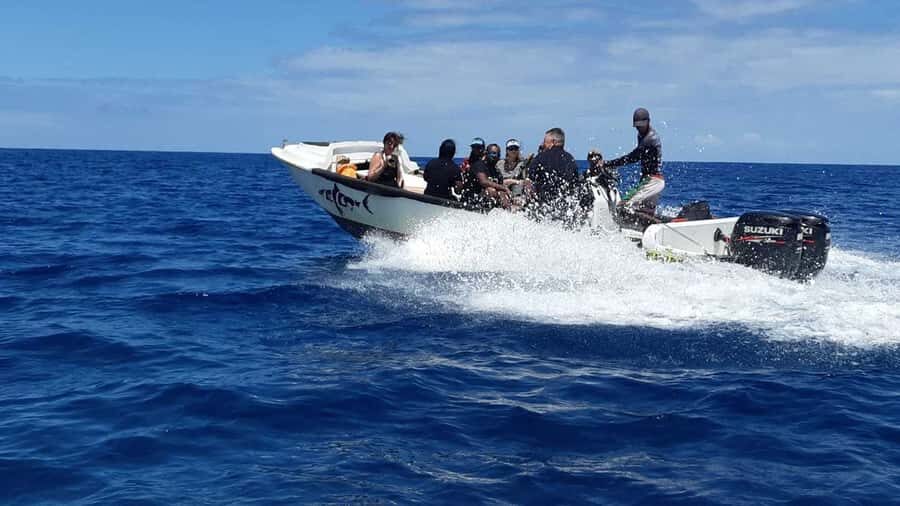
Learning scuba is mostly about feeling safe while you learn new body mechanics. That’s hard to do when instructors are split across a big group.
Here, the group limit is 8 participants, so you typically get more direct support. The experience is run with a patient, professional instructor approach. In particular, instructors help by watching what you’re doing—not just telling you what to do.
You’ll feel it most during those early steps:
- equipment fitting and checks
- learning basic exercises
- practicing breathing in controlled water
- following cues during the short underwater exploration
That constant monitoring is the difference between “I’m trying” and “I’m learning.”
Pool practice: the moment your brain stops panicking
The pool is not a warm-up you can skip. It’s the foundation of the whole experience. Your first underwater breathing comes with the calm, predictable environment of a swimming pool, which makes it easier to focus on the fundamentals.
During the pool session, you typically learn how to:
- breathe steadily through the regulator
- keep your body positioned comfortably
- respond to instructor guidance quickly
If you’ve been nervous about the idea of breathing underwater, this is where that fear usually starts to fade. The pool lowers the stakes while you build the basic trust you need outdoors.
Also, because you get instruction and practice before you ever get onto the reef area, you’re less likely to feel lost once you’re wearing full gear in open water.
What you’ll see under the water: reef fish and corals, with realistic expectations
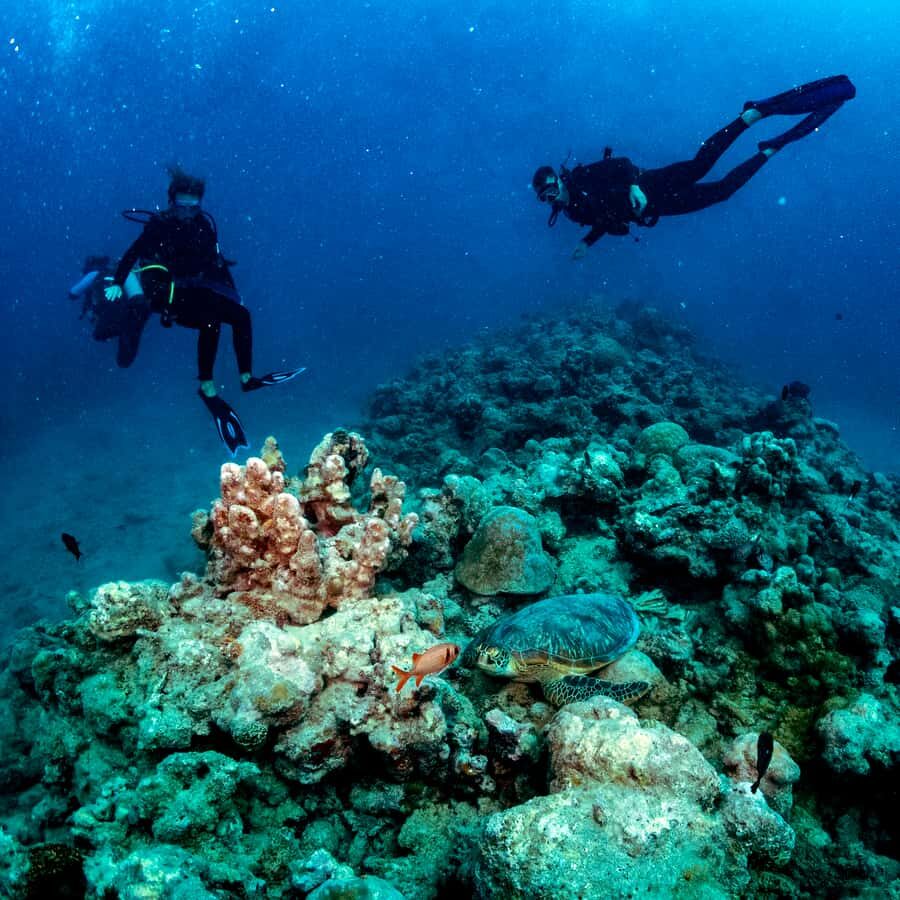
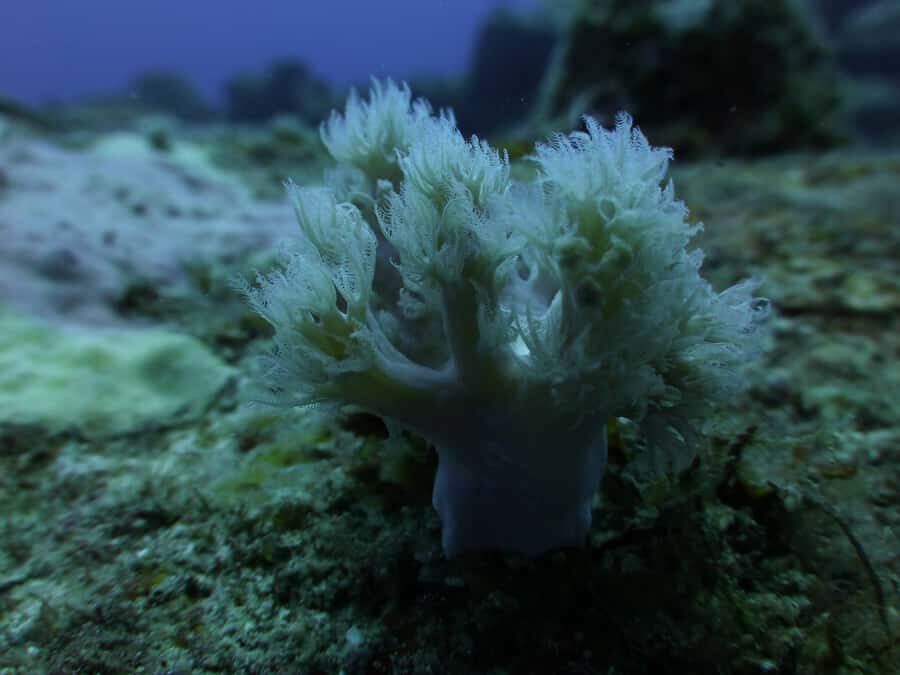
You can expect to see reef fish and some corals during the supervised exploration. One of the best parts of any first scuba session is realizing you’re not just looking at water—you’re actually looking into a living ecosystem.
At the same time, it’s smart to calibrate expectations. The experience is designed around learning and safety, not a maximum-duration, maximum-species wildlife tour. You may not see the biggest variety of fish in every outing, and your underwater time is intentionally short.
If you’re hoping for a “spectacle show,” you might want to consider doing scuba again later with more advanced conditions. But if your goal is confidence, first-time underwater breathing, and a safe taste of the reef, this format delivers.




Price and value: what $109 gets you (and what you’ll pay for separately)
The price is $109 per person for about 3 hours. What makes it feel like good value is what’s included:
- insurance
- use of equipment
- water
That matters because beginner scuba can get expensive once you add gear rental and the basics on your own. Here, you’re already covered for the core “get underwater safely” costs.
What’s not included:
- food
- towel
- transfers
So plan for your own snacks and lunch. Bring a towel (you’ll be glad you did), and if you’re relying on transport, make sure you can get to the scuba center on time without assuming transfers are provided.
What to bring (and what to avoid) so you stay comfortable
This is a “bring your own basics” kind of activity. For a smooth morning, I’d pack the essentials below:
Bring:
- towel
- snacks
- sunscreen
- water
- change of clothes
- a waterproof camera (optional, but useful)
A few comfort tips that actually help:
- Bring sunscreen. Even if you’re in the water, you’ll still be out in the sun before and after.
- Eat lightly. You’re specifically advised not to have a very heavy meal before you go. Feeling stuffed underwater is not a fun learning experience.
Not allowed:
- luggage or large bags
- alcohol and drugs
One more “real life” tip: bring something for after. A change of clothes makes the ride home much nicer.
Health and safety rules: who should not go, and what paperwork may be required
Scuba isn’t for everyone, and the operator’s medical rules are detailed for a reason. They require a recent medical certificate if you have certain conditions (or certain medical histories). The list includes (but isn’t limited to) issues related to breathing, lung/heart/chest problems, epilepsy/seizures, fainting/blackout history, decompression illness, certain recent surgeries, high blood pressure, heart disease, and more. Pregnant women are not allowed.
Also not suitable:
- children under 10
- people with mobility impairments
- people with heart problems
- people with respiratory issues
- people with epilepsy
- people with pre-existing medical conditions
- people with kidney problems
- people with high blood pressure
- people with recent surgeries
- people over 70
- people who are diving within the prior 24 hours
If any of that applies to you, don’t assume. Check the medical certificate requirement first—this is one of those activities where “maybe fine” can turn into a real problem.
The biggest downside you should watch for: reef expectations
The most common “watch-out” is simple: the underwater exploration is short and beginner-focused. That means you might not see the widest range of fish or the most dramatic underwater scenery compared with more advanced reef trips.
If you’re the type who expects underwater to be nonstop action, you’ll need to shift your mindset. Think of this as training and first exposure, not a long wildlife safari.
That said, when you’re a first-timer, it’s a great trade. You get a real, structured introduction, and you come away understanding what scuba feels like in a controlled way.
Who this experience is best for in Mauritius
This is a strong match if:
- you’ve never tried scuba before and want to start safely
- you want patient coaching with close supervision
- you prefer calm, shallow conditions over thrill-seeking
- you’d rather learn fundamentals than chase a photo checklist
It’s less ideal if:
- you want long underwater time
- you have specific medical constraints (especially anything respiratory/heart-related) without proper clearance
- you need accessibility accommodations not listed as suitable here
Should you book this beginner scuba session in Tamarin Bay?
If your main goal is a first successful underwater experience, I’d say yes. The structure—paperwork, safety briefing, pool practice, then short supervised exploration—reduces the main risks for beginners: confusion, panic, and poor gear familiarity.
Book it if you want a confident start with real instruction and small-group attention, and if you’re okay with learning-first expectations instead of “max fish, max scenery” every second.
Skip it or ask more questions first if you’re worried about any health requirements. For scuba, the safest plan is doing this only when you’re truly cleared to go.
FAQ
Do I need a scuba license to try this?
No. This experience is designed for first-time participants and does not require certification.
How long is the Tamarin Bay beginner session?
It runs for about 3 hours. You’ll see starting times based on availability.
What’s the group size?
It’s a small group, limited to 8 participants.
What’s included in the price?
The price includes insurance, the use of equipment, and water.
What should I bring with me?
Bring a towel, snacks, sunscreen, water, a change of clothes, and a waterproof camera if you want one.
Is food or transfers included?
No. Food and transfers are not included.
Who is not suitable to participate?
It’s not suitable for children under 10, pregnant women, people with mobility impairments, and people with a range of respiratory/heart/medical conditions. A recent medical certificate is required for certain health conditions, and the operator lists additional criteria as well.