REVIEW · SCUBA DIVING
Discover Scuba Diving Experience
Book on Viator →Operated by BLUE WORLD EXPLORER ADVENTURES · Bookable on Viator
First time scuba gear can feel intimidating. The good news: this Mauritius intro experience is built for beginners, with a proper briefing and guided steps that lead you from practice water to a short shallow sea session near Blue Bay and Mahebourg. You’re focused on comfort and control, not on passing a certification test.
Two parts I really like about it are the pool (or lagoon) practice before you head out, and the fact that they handle your gear setup for you. If you’re new to scuba, getting breathing and equipment basics sorted while you can still stand is huge. One thing to consider: the exact water entry point may shift based on timing/logistics, so if you’re expecting a very specific spot, it’s smart to confirm what your team will arrange for your entry and any transfer.
In This Review
- Key highlights to look for
- Blue Bay and Mahebourg: why this area is great for first-timers
- The timeline that keeps you calm: briefing, gear fitting, and practice
- Pool (or lagoon) training: where first skills click
- The sea session: about 45 minutes of guided underwater fun
- Who’s guiding you, and what that means for your comfort
- Price and value: what $120 includes (and how to judge it)
- Getting there and planning your timing on Mauritius
- A note on exact locations: Blue Bay vs. “near where you are”
- Who should book this scuba introduction (and who might skip)
- Should you book Discover Scuba Diving in Mauritius?
- FAQ
- Do I need scuba certification for this experience?
- How long is the experience?
- What gear is included?
- Where do I meet for the tour?
- How much underwater time do I get in the sea?
- What happens if weather isn’t good?
Key highlights to look for
- Pool or lagoon training first: you learn the gear and breathing basics where you feel safe.
- A guided shallow sea session: about 45 minutes of underwater time with a fun, exploratory focus.
- All equipment included: scuba equipment plus snorkeling gear, so you’re not hunting rentals.
- Experienced guide team: examples from past groups include instructors like Doriane and Christopher.
- Small-group feel: capped at 30 travelers, so you’re not lost in a crowd.
Blue Bay and Mahebourg: why this area is great for first-timers
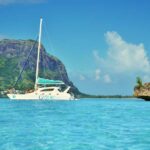
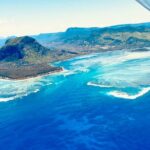
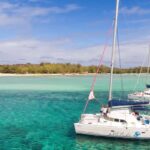
I like choosing scuba experiences that start with the right water. Blue Bay and Mahebourg are known for clear, calm conditions, and this tour is designed around that. You’ll be in the turquoise-water zone where your first goal is simply to get comfortable being underwater and breathing through the regulator.
Why that matters: your body needs time to adjust. New divers often spend their energy fighting nerves instead of learning basic skills. By keeping the session shallow and guided, the experience gives you a real chance to enjoy Mauritius rather than just survive a lesson.
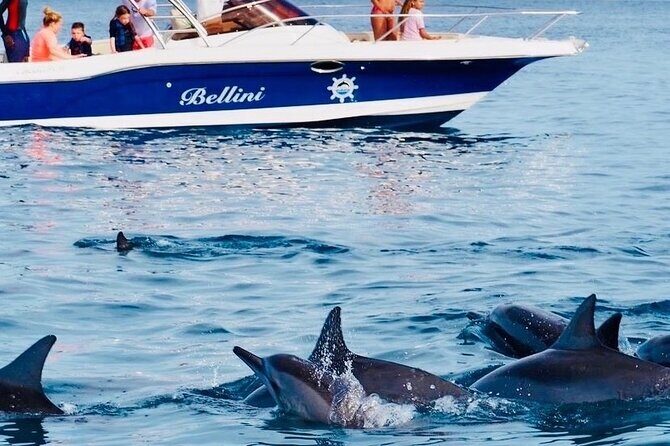
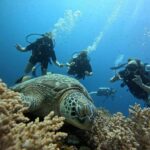
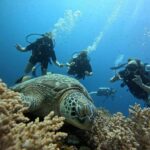
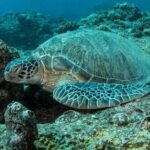
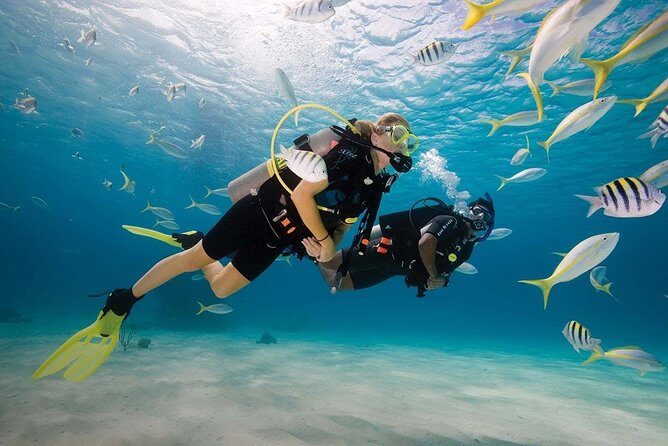
You’ll also get a taste of the local marine life during the sea time. Even if you’re not an expert photographer, this is the kind of underwater variety that makes the whole day feel worth it. The best part is that the day isn’t only about theory—you get to feel the water and see what the area offers.
You can also read our reviews of more scuba diving tours in Mauritius
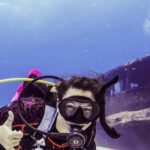
The timeline that keeps you calm: briefing, gear fitting, and practice
Most intro scuba days fail when they rush. This one is structured so you don’t jump straight into the hard part. Expect a sequence that starts with a proper briefing, then moves into equipment donning and adjustments.
Here’s what that usually means in practice:
- You’ll learn what each piece does and how to handle it.
- You’ll put on and adjust your gear with staff watching closely.
- You’ll practice the key skills in controlled water before you head out to sea.
That matters for your comfort. If your straps aren’t set right, your breathing and body position feel awkward fast. A good fit reduces that stress. It also helps you move more naturally when you’re finally underwater for real.
The tour also includes snorkeling equipment. That tells you the operator expects people to spend time in the water in different ways—not just one strict “do this, then leave” routine. It’s a thoughtful touch for beginners who want a bit more freedom in the water.
Pool (or lagoon) training: where first skills click
The training session happens in a pool/lagoon setting. I love this approach because it shortens the distance between learning and doing. You get to practice with your feet available and with the team close by.
In that practice water, you’re typically working on:
- getting used to breathing underwater,
- understanding how to handle the equipment,
- learning basic control so you don’t feel like you’re fighting the gear.
If you’ve never done scuba before, this is the moment where things can go from stressful to doable. One past guest described how the team started in the pool because they had never tried scuba, and then they moved into the ocean once everything felt steady. That’s exactly the right order.
Also, don’t underestimate how much reassurance helps. Even if you’re a confident swimmer, scuba is a different skill. Having professionals guiding your first minutes can turn the whole experience into a fun water day instead of a panic experiment.
The sea session: about 45 minutes of guided underwater fun
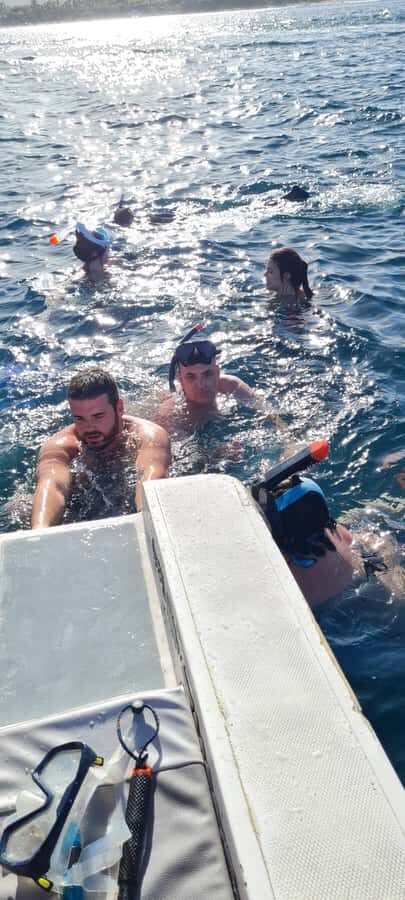
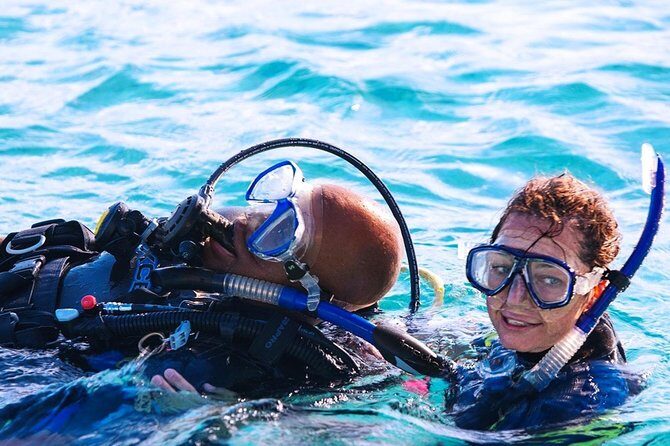
Once your practice goes well, you’ll head out for the shallow sea portion. The schedule calls for sea time of about 45 minutes, followed by exploration and what the operator frames as fun dives (better understood as guided underwater play and sightseeing).
What you should expect:
- A guided entry and underwater instruction flow.
- Time to explore in a controlled way, not a long endurance event.
- A focus on what you can do, not on what you can’t yet.
Two practical notes here. First, 45 minutes sounds short, but for a first scuba outing it’s a solid chunk. You’ll spend some of it learning, some of it adjusting, and some of it just looking around. Second, that short duration keeps the day moving smoothly within the roughly 2-hour overall experience window.
You’ll also get a debrief afterward—so you’re not just dropped back on shore with no idea what you did right or what to improve next time.
Who’s guiding you, and what that means for your comfort
This is run by BLUE WORLD EXPLORER ADVENTURES. What stands out is the emphasis on teaching the basics so you can participate without a certification. The tour summary is clear: it’s meant for a first scuba experience.
Past guests specifically praised professionalism and how the guides managed a beginner-friendly progression. One positive review singled out Doriane and Christopher for being highly professional and for making the whole flow feel safe and well paced.
That’s the kind of thing you want to know before booking. When a team is calm, the technical parts feel simpler. When the team is rushed, beginners get overwhelmed fast. This operator’s reputation—based on how they’re described—leans toward the calm, coached side.
Group size is also a factor. With a maximum of 30 travelers, you’re not in a tiny private session. But it’s also not so large that one person’s needs get ignored. For an intro activity, that balance matters.




Price and value: what $120 includes (and how to judge it)
At $120 per person, this isn’t the cheapest way to “try scuba,” but it’s also not overpriced for what’s included. The key value pieces are:
- use of scuba equipment,
- use of snorkeling equipment,
- all fees and taxes.
You’re not paying extra for gear. For many activities, equipment rental can be a hidden cost that changes the real price. Here, it’s bundled into the rate, which makes budgeting easier.
What’s not included is also clear. You won’t have breakfast, and alcoholic beverages are not part of the price. If you’re planning your day, eat ahead. Keep drinks simple before water time. Your body will thank you.
Is it worth it? If you’re genuinely curious about scuba and want a structured, beginner approach, this price works because you’re buying coaching plus gear plus a guided sea experience. If you already have scuba certification and equipment, you might decide this kind of intro format isn’t the best use of your money—because you’ll likely be doing the basics again. But for first-timers, that’s exactly what you want.
Getting there and planning your timing on Mauritius
The meeting point is on Coastal Rd in Blue Bay, at HP38+XW5. The activity ends back at the meeting point, which makes the logistics simpler. You’re not stuck figuring out transport after your water session.
The tour also notes it’s near public transportation. That’s helpful if you’re staying without a private car and want a flexible way to reach the coast.
Timing wise, plan for about 2 hours total. That means:
- You likely won’t need half a day off.
- You should still give yourself enough buffer before and after so you’re not sprinting in flip-flops.
Also remember the schedule requires good weather. If conditions aren’t right, the operator offers a different date or a full refund. In Mauritius, weather can shift quickly, so I’d treat the day as “weather-dependent sea time,” not an absolute guarantee.
A note on exact locations: Blue Bay vs. “near where you are”
One caution comes from an issue a past guest reported: they expected the session close to Blue Bay beach but were routed to a nearby hotel area instead. The operator’s response explained they did not intend to mislead; they proposed an alternative close to where they received the booking, and they offered the Blue Bay option if the guest wanted it, with transfer costs.
Here’s the practical takeaway for you: if a specific entry spot matters—maybe you’re staying nearby, maybe you care about a particular coastline—ask your team what location you’ll use and whether any extra transfer is involved. Last-minute changes can happen, especially with water activities. A quick confirmation message can save frustration.
This is not a reason to avoid the tour. It’s just a reminder to be proactive, like you would with any experience that depends on weather and logistics.
Who should book this scuba introduction (and who might skip)
This experience is a strong fit if you:
- want to try scuba without certification,
- like the idea of learning in a controlled pool/lagoon session first,
- want a short, guided sea outing rather than a long day,
- prefer having scuba equipment and snorkeling gear included.
It may be less ideal if you:
- already have scuba certification and want deeper training or longer underwater time,
- hate weather-based uncertainty (since the tour requires good conditions),
- need a specific exact entry location and aren’t flexible on transfers.
For most first-timers, though, the structure is the selling point: briefing, practice with equipment, then a short guided underwater experience where you can actually enjoy Mauritius.
Should you book Discover Scuba Diving in Mauritius?
If you’re curious about breathing underwater and want a beginner-friendly format, I think this is an easy “yes” to consider. The combination of equipment included, coached practice, and a relatively short sea session makes it a practical way to try scuba without getting in over your head.
My booking advice is simple:
- Confirm where your team will run the sea entry (especially if you’re expecting a very specific Blue Bay beach-style start).
- Plan to be flexible on the day if weather changes.
- Eat beforehand and bring what you need for sun and comfort on the water approach.
If those points work for you, this intro scuba experience is a good value way to see Mauritius from a perspective most people never get. And if you end up feeling hooked, you’ll at least know you learned the basics in the right order.
FAQ
Do I need scuba certification for this experience?
No. This is an introductory scuba experience meant for people who want to try scuba without certification.
How long is the experience?
It runs for about 2 hours (approx.).
What gear is included?
You get use of scuba equipment, and snorkeling equipment is also included. All fees and taxes are included too.
Where do I meet for the tour?
You meet at HP38+XW5, Coastal Rd, Blue Bay, Mauritius, and the activity ends back at the same meeting point.
How much underwater time do I get in the sea?
The sea portion is about 45 minutes.
What happens if weather isn’t good?
The experience requires good weather. If it’s canceled due to poor weather, you’ll be offered a different date or a full refund.