REVIEW · HIKING & TREKKING
Sunrise hike at Le Morne Brabant with Local Guides (UNESCO)
Book on GetYourGuide →Operated by Local Spirit Ltd. · Bookable on GetYourGuide
Le Morne Brabant at sunrise hits you in the gut—in a good way. I love the mix of UNESCO Slave Route storytelling and real, lived-in guiding from the village people who know these cliffs day after day. The timing is the magic: you start in the dark, then watch the lagoon glow as the island wakes up.
My other big love is the small-group pace (max 8) with hands-on help when the trail turns rocky. Guides pay attention to safe footing, and you get practical extras like a headlamp, water, and local coffee at the viewpoint. One drawback to consider: sunrise from the summit depends on the group pace and exact timing, so I’d confirm you’ll be high on the mountain before the sun clears the horizon.
In This Review
- Key highlights I’d plan around
- Why Sunrise on Le Morne Brabant Feels Worth the Early Wake-Up
- Meeting Your Guide and Getting Oriented Before Dawn
- The Hike Through Coastal Forest: When the Story Becomes Real
- The Rocky Sections: Where Proper Shoes and Trust Matter
- The Summit Viewpoint Moment and the Coffee That Hits Different
- What the 4-Hour Plan Means for Your Day
- Price and Value: Is $64 a Good Deal?
- Who Should Go (and Who Should Skip It)
- Getting There: The Meeting Point Details You’ll Want Ready
- Practical Tips That Make the Difference on the Trail
- Should You Book This Sunrise Hike?
- FAQ
- How long is the sunrise hike on Le Morne Brabant?
- What does the tour include?
- Where is the meeting point?
- What languages are the guides available in?
- What should I bring for the hike?
- Is the hike suitable for everyone?
Key highlights I’d plan around
- Licensed village guides from Le Morne who share the maroon story tied to this UNESCO site
- Headlamp + early start so you can hike comfortably before light
- Comfort break with coffee once the view opens over the lagoon and Indian Ocean
- A trail that gets hands-on in the rocky sections, with guides showing safe climbing
- Medicinal plants and local botany explained along the way (including red pepper, guava, and the national flower)
Why Sunrise on Le Morne Brabant Feels Worth the Early Wake-Up
If you’re already in Mauritius and you only want one “wow” moment that also feels meaningful, this is a strong contender. Le Morne Brabant isn’t just a pretty peak. It’s a landmark tied to survival and freedom—enslaved people used these cliffs as refuge, and that history is part of why the mountain is protected under UNESCO.
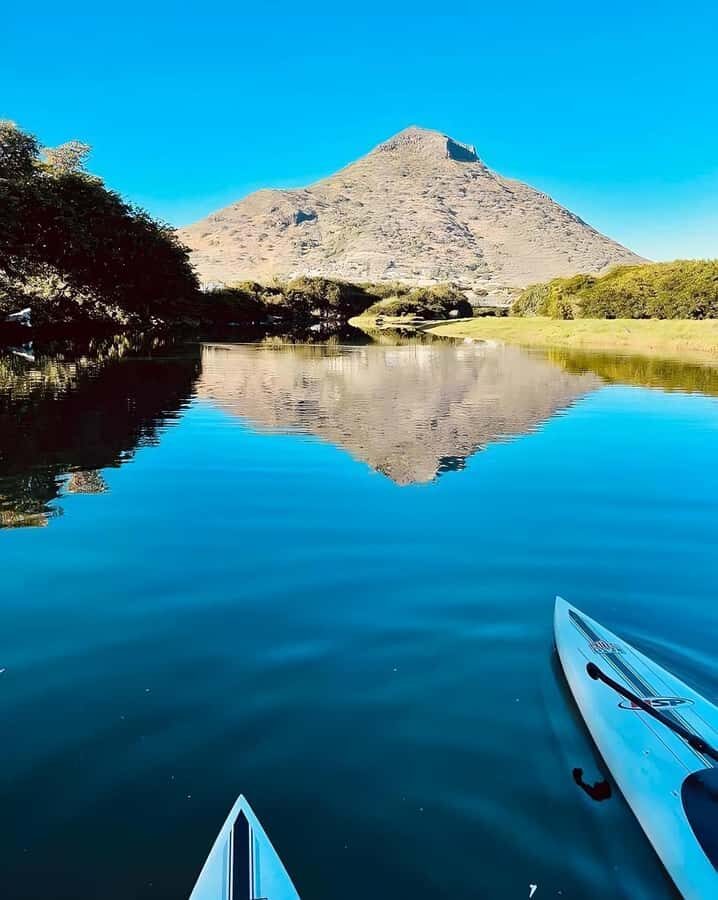
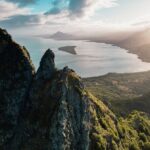
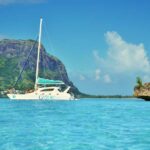
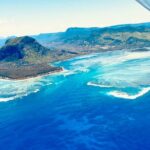
Then sunrise does its job. In the pre-dawn quiet, the hike starts cool and focused. As the light creeps in, the view starts as silhouettes and then slowly becomes lagoon color—turquoise opening up toward the southwest coast. It’s the kind of transformation that makes you stop checking your phone and start watching the world change.
You can also read our reviews of more hiking tours in Mauritius
Meeting Your Guide and Getting Oriented Before Dawn
You meet at Windsurf Lagoon Le Morne, then you’ll go in with your guide for a short safety briefing before the climb. You’re not thrown into chaos. The group stays small (up to 8), and that matters because the route isn’t a simple “walk in the park” the whole time.
This hike is also very much about people, not just views. Local guides from the Le Morne village lead the way and share the mountain’s place in Mauritian life—medicinal plants, daily knowledge, and the historical context behind the UNESCO Slave Route. Names you might hear in the mix include Orlando, Elando, and Laetitia—and the general pattern from their guiding is patience plus careful attention during rougher sections.
The Hike Through Coastal Forest: When the Story Becomes Real
Once you’re moving, the route begins along a steady trail through coastal forest. This is where the hike feels most “hike-like,” meaning you can settle into a rhythm rather than constantly bracing for rocks. It’s also where the guide’s storytelling clicks into place.
You’ll get context on Le Morne beyond a quick fact dump. Expect cultural explanations that connect daily life to the mountain and its meaning, including medicinal plants used in traditional Mauritian practice. One practical note: the guide can point out plants along the way, including the national flower, plus examples like red pepper and guava. That’s the kind of information that makes a photo stop feel earned.
Even better, there’s often a small moment that feels human-scale—something warm in the morning. You’ll have coffee served at the viewpoint later, but the early stretch helps set you up so you actually taste the coffee as a reward, not just as included fuel.
The Rocky Sections: Where Proper Shoes and Trust Matter
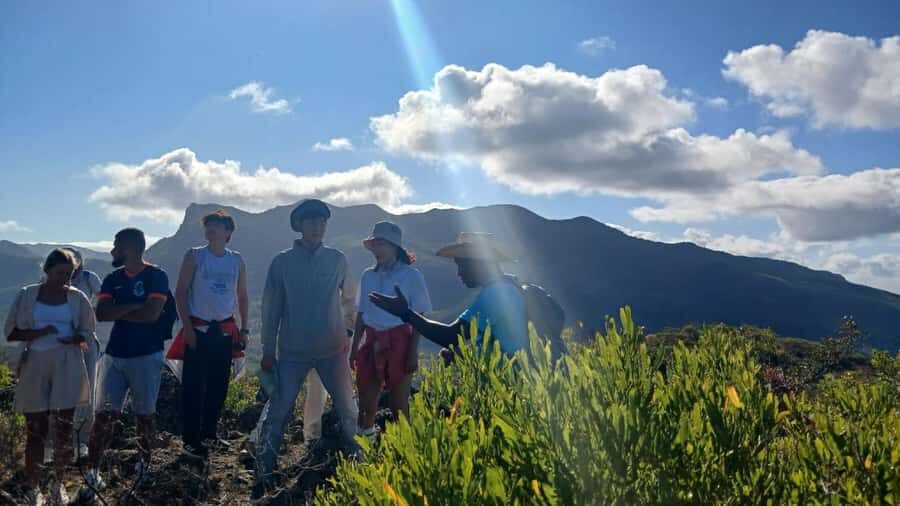
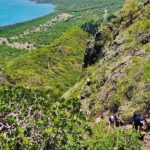
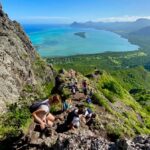
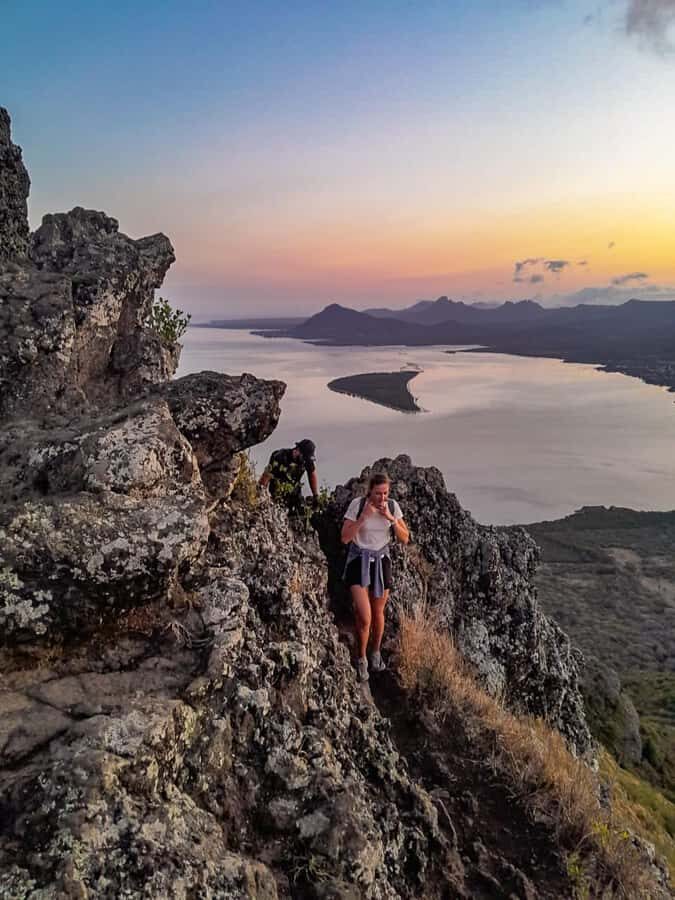
As daylight grows, the terrain changes. Higher up, the trail can turn rocky, with short stretches that involve scrambling—hands might be needed. This is the part that separates “I can hike” from “I can hike smart.”
Guides are ready for it. They show you where to place your feet, and they can offer hands-on support so you don’t freeze mid-move. The help isn’t about carrying you. It’s about giving you the confidence to keep moving safely. If you’ve never done scrambling before, this is the value of having a guide who learned the route as a kid.
One caution: after prolonged rain, the ascent can be slippery. That means good grip matters a lot. I’d treat this as a footwear test. Bring hiking shoes with solid traction, not just sneakers with okay tread.
The Summit Viewpoint Moment and the Coffee That Hits Different
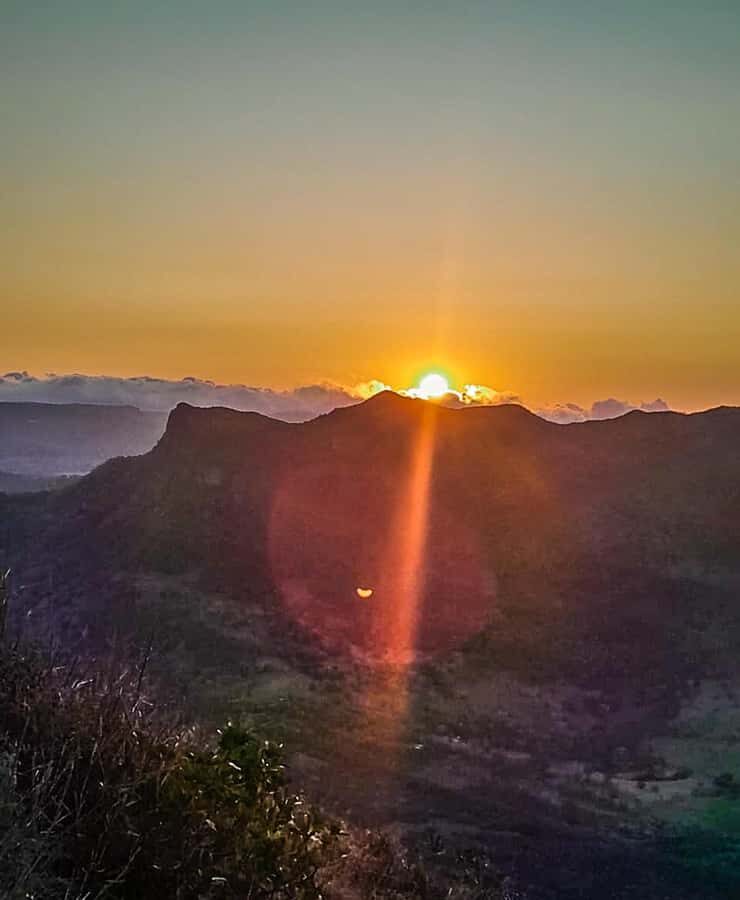
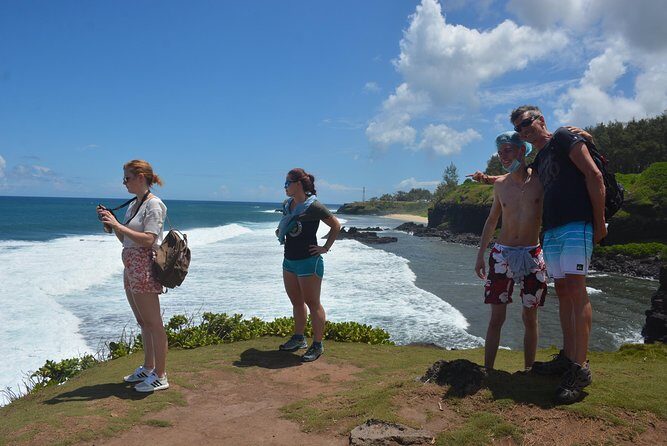
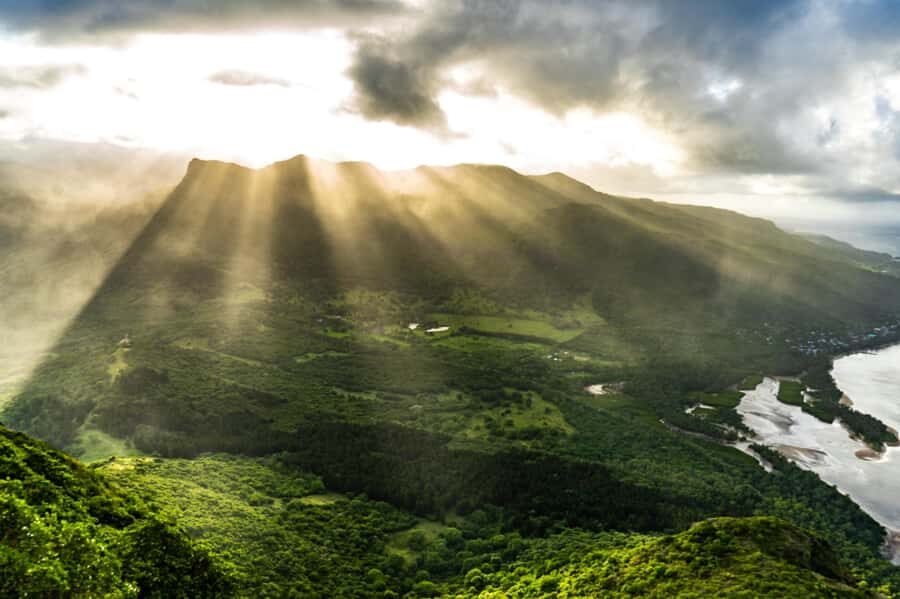
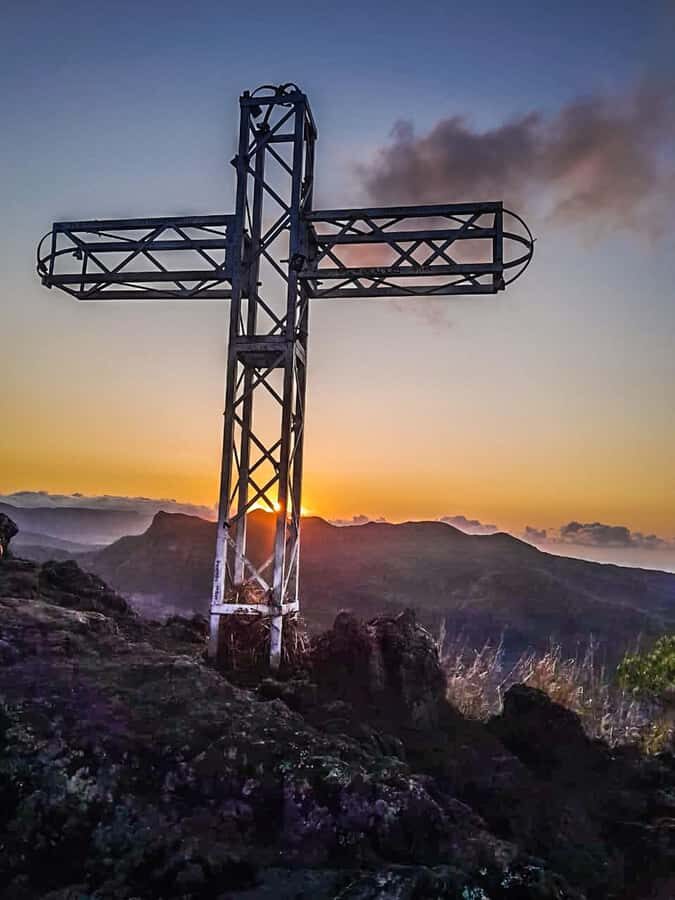
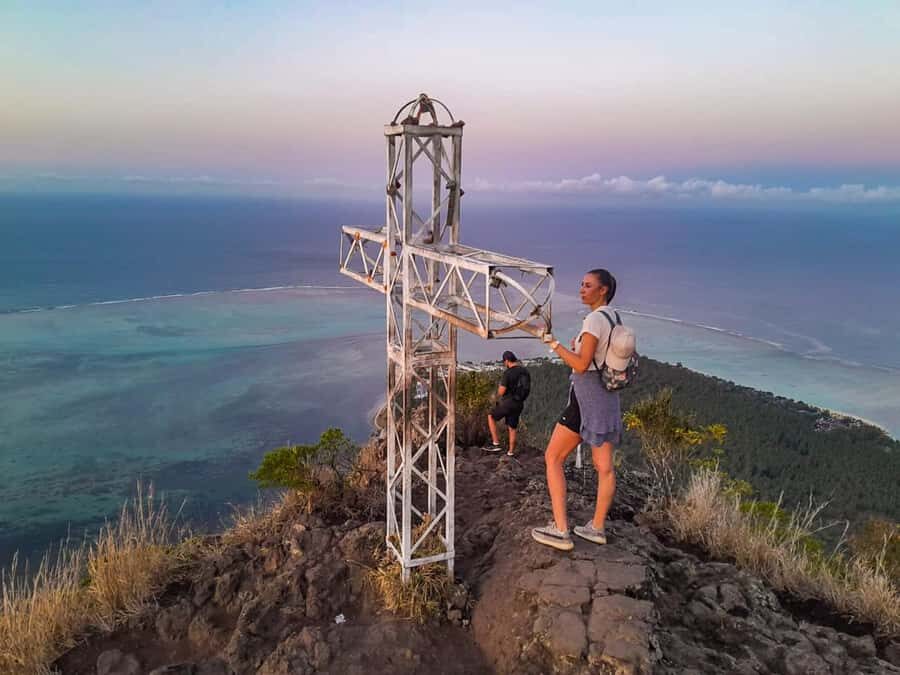
The best part is the timing: as the sun rises higher, golden light spreads across the lagoon and southwest coast. This is your reward, and it’s also when the story lands emotionally. Le Morne is framed as more than scenery. The maroon narrative—people using these cliffs as refuge—makes the place feel charged, like you’re looking at a living monument, not a backdrop.
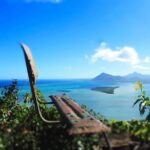
At the main viewpoint, plan for a pause. You’ll have time for photos and to take in the panorama. Then, the simple comfort: local coffee. It’s not fancy, and that’s the point. It warms you up after the cool climb, and it gives you a moment to regroup while the island finishes waking up.
Depending on the guide, you may also get small extra touches. Some guides have been described as bringing small homemade treats (like brownie-style cookies) made by a family member. Even if you don’t count on extras, the coffee moment itself is reliably the “settle in” part of the morning.
A few more Mauritius tours and experiences worth a look


What the 4-Hour Plan Means for Your Day
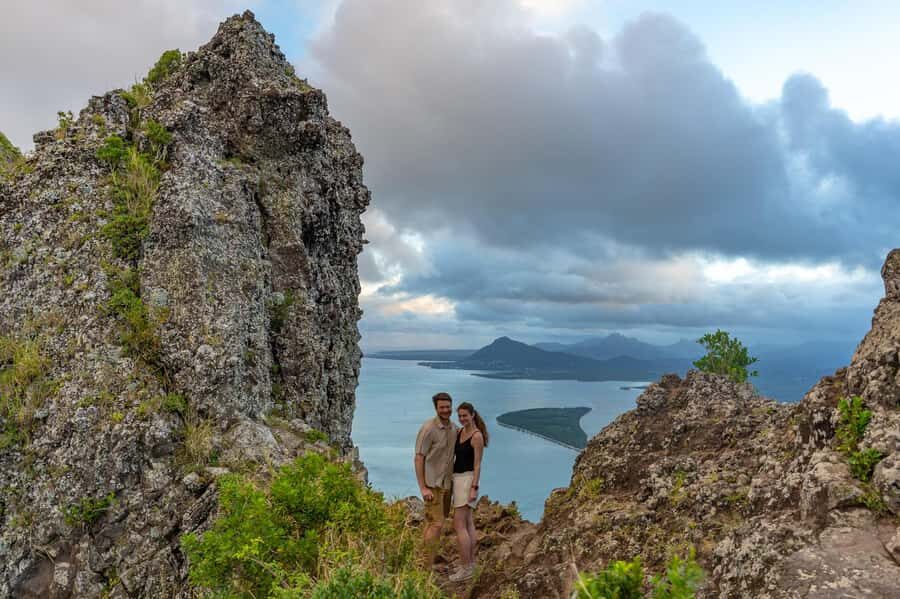
This experience runs about 4 hours, with time built in for briefing, guided hiking, a short break, and the higher climb. The big advantage is that it doesn’t swallow your entire day. Once you return to Windsurf Lagoon Le Morne, you still have daylight ahead for the rest of your Mauritius time—beach time, sightseeing, or a slow lunch without rushing.
It also helps that you’re not hiking alone. With a small group, you’re more likely to keep a steady pace and finish feeling like you earned the view rather than feeling wrecked.
The only thing to watch is summit timing. One booking experience described missing the sunrise at the summit because the group was still down at the parking area while other groups had already reached the top. That doesn’t mean the sunrise never happens for you—but it does mean you should be realistic and proactive. If sunrise-at-the-summit is your number-one reason for booking, ask the operator how they time the climb to reach the viewpoint before the sun clears the horizon.
Price and Value: Is $64 a Good Deal?
For $64 per person over roughly 4 hours, you’re paying for more than a ticket to a viewpoint. The value comes from:
- Licensed local guides who know both the route and the cultural context
- Small-group size (max 8), which makes coordination easier on rocky parts
- Safety support during scrambling sections
- Practical extras: headlamp, water, and coffee
If you tried to DIY it without local knowledge, you’d still need gear, you’d still face the rocky climb, and you’d probably lose the cultural explanation that makes Le Morne feel more than a climb. In that sense, the price feels fair for what’s actually being delivered: a sunrise experience with guiding depth and real risk management.
Who Should Go (and Who Should Skip It)
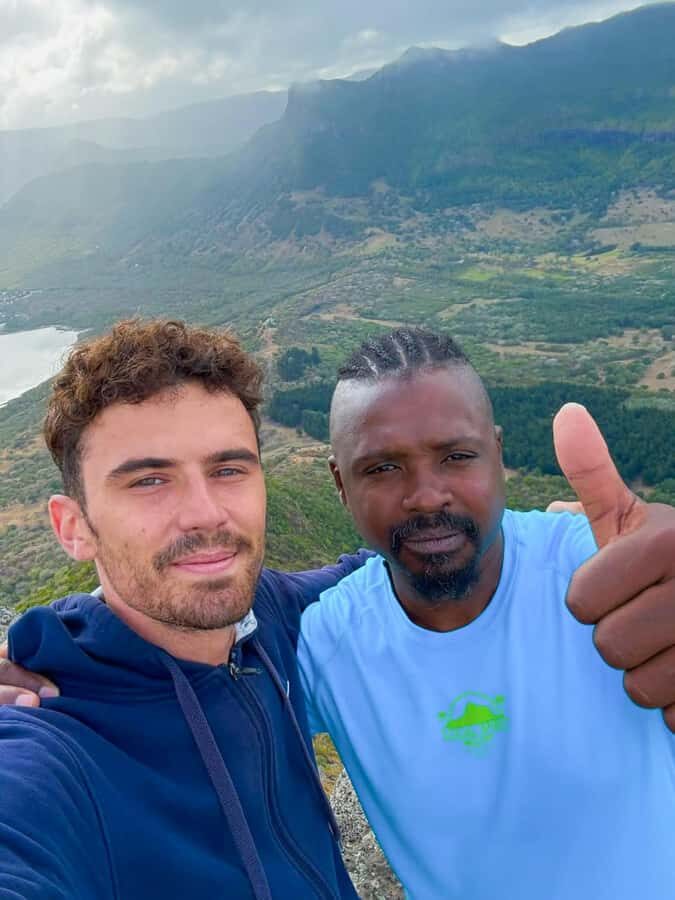
This hike is best for people who can handle uneven ground and don’t mind using their hands for short scrambling moves.
It’s not suitable for:
- Children under 6
- Pregnant women
- People with back problems
- People with heart problems
- People over 250 lbs (113 kg)
You should also be honest with yourself about fitness. Even among fit hikers, this is described as challenging, especially on the climb. If you’re comfortable hiking with grip footwear and staying calm on uneven rocks, you’ll likely enjoy it more.
Getting There: The Meeting Point Details You’ll Want Ready
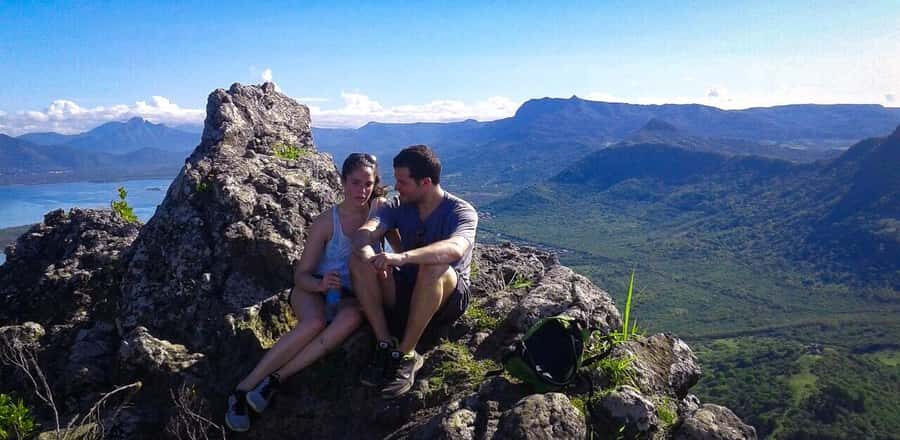
You’ll start at Windsurf Lagoon Le Morne, but the on-the-ground instructions go to the public beach area of Le Morne and then a short bumpy road to a parking spot near the ocean.
Practical way to handle it: open Google Maps and follow the directions to the public beach at Le Morne. You’ll pass the Monument of the Slaves on your left. When you see the sign Haras Le Morne (horseriding), take the small, not-asphalted road on the left side of that sign. It’s a bit bumpy, but a normal car can manage it. Continue to the end, and park under the trees near the ocean area. Then wait for your guide.
If you’re driving, build in time. The last approach is straightforward, but it’s not the kind of place where you want to arrive at the last second.
Practical Tips That Make the Difference on the Trail
Bring what helps you move safely and enjoy the sunrise, not what just looks good in a bag:
- Hiking shoes with good grip
- Sunscreen (yes, even early)
- Camera (sunrise light on lagoon views rewards quick shots)
- Water (you’ll have water provided, but it’s still smart to top off as you like)
Also, if there’s been rain, assume the rocks can be slick. That’s where good traction and calm pacing matter most.
And one simple mindset tip: expect the hike to feel “serious” in the middle. You’ll get a payoff, but you have to get through the rocky bits with the guide’s help.
Should You Book This Sunrise Hike?
Book it if you want a sunrise with meaning, not just a scenic walk. The combination of UNESCO-linked history, licensed village guides, and a real climb with safety support is the core reason to choose this over a generic viewpoint stop.
Skip it if you’re hoping for an easy stroll. This route can involve scrambling, and it’s not a fit choice for certain medical or mobility concerns listed by the operator.
My final take: if sunrise on Le Morne Brabant is your priority, and you’re willing to show up prepared with proper shoes and the right attitude, this tour is a strong use of half a day. Just do one smart thing before you go: confirm the plan for reaching the summit so you’re positioned for the sunrise moment you booked for.
FAQ
How long is the sunrise hike on Le Morne Brabant?
The tour lasts about 4 hours.
What does the tour include?
You get a guided hike with licensed local Mauritian guides, coffee, early morning headlamp provided, water, and panoramic views from the summit area. The operator also provides hassle-free return to Le Morne hotels or the central meeting point.
Where is the meeting point?
You meet at Windsurf Lagoon Le Morne. The directions also route you to the public beach of Le Morne near the Slaves Monument, then along a small bumpy road toward the ocean until you can park under the trees and wait for the guide.
What languages are the guides available in?
Live guides are available in English and French.
What should I bring for the hike?
Bring a camera, hiking shoes, sunscreen, and water.
Is the hike suitable for everyone?
It’s not suitable for children under 6, pregnant women, people with back or heart problems, or people over 250 lbs (113 kg). After prolonged rain, parts of the ascent may be slippery, so good grip shoes are important.