REVIEW · FOOD
Street Food Private Tour in Port Louis
Book on Viator →Operated by Destination Soleil · Bookable on Viator
Port Louis street food hits different when you follow a local trail. This 3-hour private tour guides you through Central Market, Le Caudan Waterfront, and Chinatown, with tastings that reflect Mauritius’ mix of cultures. I especially like the small-group feel (max 6), which makes it easy to ask questions and slow down when you want. I also love that the food comes with context—so you’re not just eating, you’re learning why the dishes show up.
One thing to keep in mind: this is street-food focused, so the experience quality can depend on the exact stalls you hit and how comfortable you feel around basic street-joint hygiene.
In This Review
- Key things I’d watch for before you go
- Why Port Louis street food is such a smart way to understand Mauritius
- Central Market: your flavor map starts here
- The practical side of the market stop
- Le Caudan Waterfront tastings and the Gujarati thread
- A note on heat and spice
- Chinatown and Hakka dishes: a second food storyline
- How the guide keeps the whole 3 hours coherent
- What you’ll likely eat (and why an empty stomach pays off)
- Food volume vs. comfort
- Group size, timing, and meeting point: the simple logistics that matter
- Wheelchair and stroller accessible, but street food still means walking
- Price and value: is $69 worth it?
- Weather and comfort: how to prepare for a street-food plan
- Should you book this Street Food Private Tour in Port Louis?
- FAQ
- Where does the tour start?
- What time does the street food tour begin?
- How long is the tour?
- How big is the group?
- What’s included in the price?
- Is the tour wheelchair and stroller accessible?
- What happens if the weather is poor?
Key things I’d watch for before you go
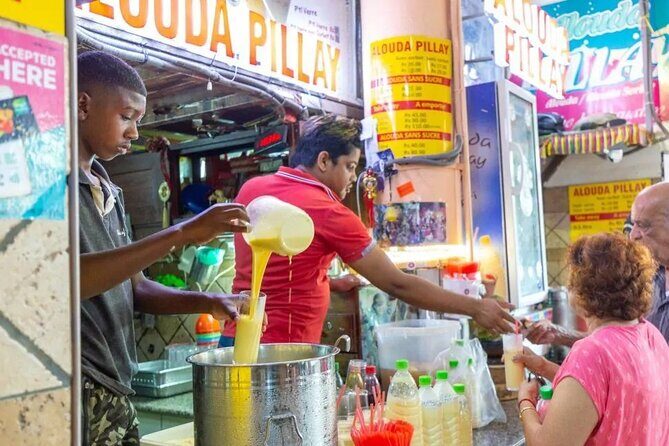
- Central Market entry is included, so you start with the real action instead of a quick outside peek.
- Max 6 people means less waiting, more individual attention, and a smoother pace.
- Gujarati-influenced bites like deep-fried gato pima-style snacks and chili bites set the tone early.
- Chinatown stops + Hakka dishes give you a second flavor track and a clearer view of how communities shape food.
- A guide adds cultural context at the start, which helps you connect the meals to local life.
- Comfortable shoes and an empty stomach matter since you’ll be walking and tasting more than a few snacks.
Why Port Louis street food is such a smart way to understand Mauritius
If you want a quick read on Mauritius, you can’t beat food. In a place like Port Louis, dishes don’t come from one single source. They show up through migration, trade, and everyday neighborhood cooking. On this tour, you get that story in bites: Creole street food at Central Market, Gujarati-style flavors at Le Caudan, then Chinese community dishes in Chinatown, including Hakka dishes.
What makes it more than just eating is the way the tour ties flavors to culture. A good guide doesn’t just point at plates and say try this. You get the why: what influenced the ingredients, what the dishes have in common with local habits, and how different communities leave their mark on daily life. One guide named Christopher was highlighted for giving cultural context up front and keeping the balance between history and tastings—exactly the mix I think makes a food tour worth your time.
You can also read our reviews of more food & drink experiences in Mauritius

Central Market: your flavor map starts here
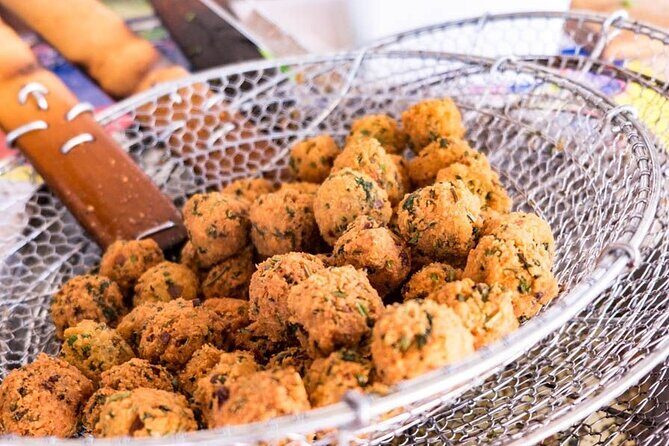
You meet at the Caudan Waterfront area and then head to Central Market as the first stop. The best part of starting here is simple: Central Market is where you can feel the food pulse of the city. You’re not “visiting a food stop.” You’re entering a working market where street food culture is part of the daily rhythm.
The tour includes entry to Central Market, which is a small detail but a big convenience. It means you’re not standing around figuring out permissions or trying to squeeze in snacks while you hunt for where the tour is supposed to begin.
In this setting, your guide can do something that’s hard to replicate later: explain what you’re seeing as you see it. That matters because street food names, ingredients, and textures can be confusing if you don’t have a frame. Once you know what a dish is aiming for—crunch, heat, savory depth, or filling comfort—you taste more of it and waste less.
The practical side of the market stop
Expect to do some walking inside the market and through its immediate area. This is where comfortable shoes earn their keep. You’ll also want your stomach ready. People who do well on tours like this typically come hungry, because you’ll move from snack to snack rather than making one big meal.
Le Caudan Waterfront tastings and the Gujarati thread
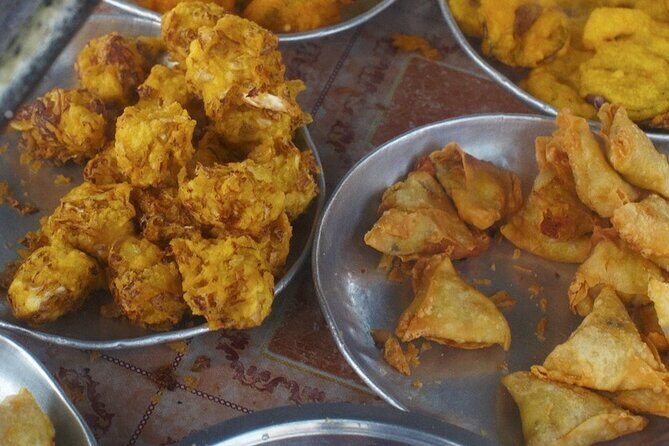
After Central Market, you shift toward Le Caudan Waterfront, which is a different kind of Port Louis. The vibe changes: it’s still about food, but you’re moving into a more open, waterfront setting where you can pause, reset, and keep tasting.
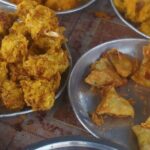
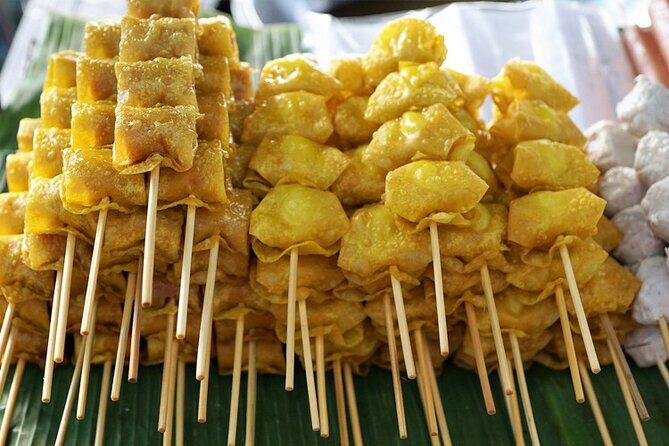
This part of the tour leans into Gujarati-influenced foods. You’ll try street-style items that reflect that Indian regional flavor logic—spicing, frying, and bold bite-sized heat. One example mentioned is gato pima, a deep-fried snack-style food, along with chili bites. Even if the exact items vary a bit by day, the idea stays consistent: you’ll taste snacks designed to be eaten while walking, not plated like a restaurant course.
Why this matters for your trip: it helps you see how Mauritius’ food scene isn’t random. There’s structure. You’ll start noticing patterns—how spice levels work together, how frying changes texture, and how small snacks can carry big flavor.
A note on heat and spice
When you see chili bites on the route, don’t assume mild. If you’re heat-sensitive, tell your guide early. Small-group tours make that easier to manage than larger ones, because the guide can adjust the plan on the fly.
A few more Mauritius tours and experiences worth a look

Chinatown and Hakka dishes: a second food storyline

From Le Caudan, the tour moves into Chinatown to try more dishes from the Chinese community presence in Port Louis. The big draw here is the Hakka element—several Hakka dishes are part of the route.
This stop works because it changes what you’re tasting. If the earlier segment feels like fried, chili-forward street snacks, Hakka dishes often bring a different balance of savory, seasoning, and comfort. The tour doesn’t treat Chinatown as an add-on. It treats it as another essential chapter in the Mauritius food story.
Even the way the tour is structured—market first, then waterfront tastings, then Chinatown—helps you build a mental checklist. You go in thinking you’ll just eat. You leave noticing that different communities bring different cooking habits and flavor preferences, and those habits become part of the city’s everyday diet.
How the guide keeps the whole 3 hours coherent
The difference between a mediocre and a great food tour is rarely the food alone. It’s the guiding. On this one, the best feedback emphasizes that the guide provides cultural context at the start, then keeps it tied to what you’re eating. That’s what turns snacks into understanding.
A guide named Christopher came up in feedback for being informative and for finding a balance between explaining and tasting. People also pointed out that the guide is good at walking you through food stalls and shop choices so you’re not just consuming—you’re learning how to look at food.
There’s also a very practical advantage to having a small group: pace flexibility. One experience shared that the guide adapted the walking distance so the tour worked even when someone wasn’t feeling great. That’s not a guarantee for every situation, but it’s a useful hint. If you have limited mobility or you want less walking, say it upfront and ask whether the route can be adjusted.
What you’ll likely eat (and why an empty stomach pays off)

Street food tours often promise a lot. This one is built around multiple tastings across multiple neighborhoods, so plan for more than a few “tiny bites.”
The route centers on items like:
- Deep-fried snacks such as gato pima-style bites
- Chili bites
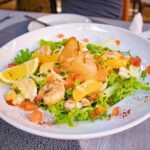
- Hakka dishes in Chinatown
- Plus additional Mauritian street foods you’ll taste as you move between stops
Because the tour is designed around several tastings, arriving with an empty stomach is genuinely helpful. One piece of advice echoed for the experience was to wear comfortable shoes and come with an empty stomach. I agree. This tour isn’t trying to sell you a single meal. It’s trying to give you a sampler of Port Louis in motion.
Food volume vs. comfort
Since the tour includes street joints and market areas, not every stop will match your personal idea of perfect. If you’re sensitive to strong smells, very hot oil, or basic street-joint hygiene, keep your expectations grounded. You can still enjoy the tour overall, but you may want to be choosy about what you put in your mouth at each moment.
Group size, timing, and meeting point: the simple logistics that matter
This is a small group tour with a maximum of 6 travelers, and it runs for about 3 hours. You start at 11:00 am at Caudan Waterfront, Marina Quay, in Port Louis. The tour ends back near the meeting point.
That schedule makes it a nice mid-day plan if you’re doing other Port Louis activities in the morning or you want an easy afternoon afterward. Starting at 11:00 also helps the market stop because you’ll catch vendors and food counters at a comfortable, active time rather than early-morning quiet.
The tour also uses a mobile ticket, which is handy when you’re on the go and don’t want to hunt for paper confirmations. It’s described as near public transportation, so it’s not an isolated location that requires a complicated ride.
Wheelchair and stroller accessible, but street food still means walking
The tour is listed as wheelchair and stroller accessible, and that’s a meaningful plus. Still, street food is street food: you’ll be in markets and neighborhood streets where surfaces can be uneven or crowded.
So while the route is designed to work for many mobility needs, it’s smart to plan for real-world movement. If you’re using a wheelchair or pushing a stroller, it’s worth confirming what kind of walking you’ll do between stops. The small group size helps because the guide can manage the pace and flow better than a larger group.
Price and value: is $69 worth it?
At $69 per person, this isn’t the cheapest way to eat your way through Port Louis. But it’s also not overpriced when you look at what you’re buying.
You’re paying for:
- A private, small-group format (max 6)
- A 3-hour plan that hits several key food areas
- Central Market entry included
- Multiple tastings across different cultural food styles (Gujarati-influenced and Hakka dishes)
- A guide who provides cultural context, not just a list of bites
If you’re the type of traveler who loves food but also wants the story behind it, the guide value is what makes the price feel fair. If you mainly want to stroll and snack on your own, you could likely do it cheaper. But you’d lose the structure—exactly what helps you understand what you’re tasting and where to go next.
My rule of thumb: this is good value if you want direction and context for a realistic taste-and-walk afternoon. It’s not a bargain if you’re expecting a full-day sightseeing tour or a restaurant-style sampler with polished service.
Weather and comfort: how to prepare for a street-food plan
The tour notes that it requires good weather. If weather turns, you’ll be offered a different date or a full refund. That matters because your plan is built around outdoor movement and market-area walking.
In practice, you should treat this like any Port Louis street plan:
- Wear shoes you can stand and walk in
- Bring your own comfort judgment about spice and street-joint conditions
- If you’re sensitive to heat, tell the guide so you can plan your pace and ordering
And yes, plan to be hungry. This is a tasting tour, not a light stroll.
Should you book this Street Food Private Tour in Port Louis?
I’d book it if you want a focused food experience that explains the cultural “why” behind the bites. The combination of Central Market, Le Caudan Waterfront, and Chinatown with Hakka dishes gives you more variety than a single-neighborhood tasting. The small-group size also makes it easier to get personalized attention, and the guide quality is a major reason people feel it’s worth doing.
I’d pause before booking if you’re expecting a broad city tour with tons of sightseeing stops, or if you’re very strict about hygiene and want a route that avoids basic street joints. In those cases, you may still enjoy parts of it, but you should go in with clear expectations.
If you’re excited about Gujarati-influenced fried snacks, chili-forward bites, and Hakka dishes—and you like the idea of learning as you eat—this is a solid way to spend your time in Port Louis.
FAQ
Where does the tour start?
The tour starts at Caudan Waterfront, Marina Quay, Caudan, Port Louis, Mauritius.
What time does the street food tour begin?
It starts at 11:00 am.
How long is the tour?
The tour lasts about 3 hours.
How big is the group?
The maximum group size is 6 travelers.
What’s included in the price?
Central Market entry is included, and the tour uses a mobile ticket.
Is the tour wheelchair and stroller accessible?
Yes, it is listed as wheelchair and stroller accessible.
What happens if the weather is poor?
The experience requires good weather. If it’s canceled due to poor weather, you’ll be offered a different date or a full refund.