REVIEW · CITY TOURS
Mauritius: Port Louis Street Food City Tour
Book on Viator →Operated by Beyond Sea · Bookable on Viator
Port Louis is a feast for your senses. This street food tour strings together key sights with real chow, from the Aapravasi Ghat World Heritage Site to old-school bites in China Town. I love the way the food and history are mixed in a way you can actually keep up with, and I also love that you get a big sampling across about 8 dishes rather than just one quick snack. The only real drawback to plan around is the timing and weather: it runs on a set schedule, and it needs good weather to operate.
I did like the feel of a small group (up to 10) because it makes it easier to ask questions while you’re eating. The tour is also well-paced for a 3 to 4 hour window, with short stops where you can look, taste, and move on. Do keep in mind there’s no hotel pickup, so you’ll want to be ready to get to the meeting spot on your own.
In This Review
- 6 key things you’ll notice right away
- Why this Port Louis food tour feels practical
- Meet at Caudan Waterfront, then get your bearings on foot
- Stop 1: Aapravasi Ghat—World Heritage and the start of indentured labor
- Stop 2: Jummah Mosque—architecture you can spot, plus a marble tomb
- Stop 3: China Town—old shop lines, trade roots, and small dark counters
- Stop 4: Central Market—fruit, herbs, spices, and potions
- The food: what you’ll actually sample in Port Louis
- Stop 5: Les Jardins de la Compagnie—banyan trees, statues, and a safety note
- Value check: $49.40 and whether it’s worth your time
- Who should book this tour (and who might skip it)
- Practical tips so you enjoy it more
- Should you book the Port Louis Street Food City Tour?
- FAQ
- How long is the Mauritius Port Louis Street Food City Tour?
- Where does the tour start and end?
- What’s the price per person?
- What’s included in the tour?
- Are admission tickets included for the stops?
- Is hotel pickup included?
- What happens if weather is poor?
6 key things you’ll notice right away
- Caudan Waterfront start, city-walk rhythm that helps you get oriented fast before you start sampling
- Aapravasi Ghat’s indentured-labour story told where it began, not just from a textbook
- Jummah Mosque details you can see right there, including its 1850s blend of styles and the nearby marble tomb
- China Town texture from shops that have stayed tiny and old-school for generations
- Central Market flavors focused on fruit, herbs, spices, and potions
- Les Jardins de la Compagnie timing with a daytime-safe garden visit and a heads-up to avoid it at night
Why this Port Louis food tour feels practical
This tour works because it doesn’t treat food like a side quest. You start in the Port Louis waterfront area and then walk into neighborhoods where you can connect the smells in the air with the places they come from.
You’re not stuck on one food stall. You’re guided through market energy, Chinatown’s shop corridors, and a garden break before you circle back. And because the group is capped at 10, it doesn’t turn into a loud, chaotic sprint.
Price-wise, $49.40 per person is not just paying for snacks. You’re also paying for guided time, food tastings, bottled water, lunch, and included admission for the main cultural stops on the route. If you’d otherwise spend money on entry tickets and then separately book a food walk, this format usually makes more sense.
You can also read our reviews of more food & drink experiences in Mauritius

Meet at Caudan Waterfront, then get your bearings on foot
Your morning starts at the Caudan Waterfront area, with the tour beginning at IBL House in Port Louis around 10:00 am. The walk-and-taste approach is key here: the tour is designed for a short, focused window (about 3 to 4 hours) rather than a full-day plan.
That matters because Port Louis can feel like a blur if you’re trying to DIY it. A guide helps you avoid the common first-day mistake: showing up hungry, wandering randomly, and then realizing you missed the market or the neighborhood story you actually wanted.
One logistical point to plan for: there’s no hotel pickup. If you’re staying in a different part of the island, you’ll want to line up how you’ll reach the start point before you book.
Stop 1: Aapravasi Ghat—World Heritage and the start of indentured labor
The first stop is Aapravasi Ghat World Heritage Site, where the “great experiment” began in the 1800s. This site covers about 1,640 m², and the story is big: in 1834, the British government selected Mauritius as a first location for replacing enslaved labor with what they called “free” labor contracts.
Between 1834 and 1920, close to half a million indentured laborers arrived from India. Some worked in Mauritius sugar plantations, and others were later transferred onward to places like Reunion, parts of Australia, and several regions in Africa and the Caribbean. It’s not an abstract timeline. It’s the physical place where that system took its first shape.
What I like about this stop on a food tour is the contrast. After you’ve spent time eating and walking later, this early history piece gives context to why migration shaped the island’s food culture in the first place. The tasting part doesn’t feel random anymore.
Time on-site is about 30 minutes, and admission is included, so you don’t have to chase paperwork or figure out entry.
Stop 2: Jummah Mosque—architecture you can spot, plus a marble tomb
Next comes Jummah Mosque (Jummah Masjid), dating from the 1850s. This is one of those places where the building itself is the lesson. The structure combines Indian, Creole, and Islamic architecture, so if you like looking closely at design details, you’ll get something here beyond just taking photos.
The mosque area is also connected to a specific person: it houses the remains of Jamal Shah, described as a pir from Kutch, India. There’s a marble tomb next to the mosque, which gives the visit a personal, grounded feel.
The stop lasts around 10 minutes, and ticket entry is included. It’s brief, but that can actually work well in the middle of a food-focused schedule. You get the highlights without turning the day into a museum marathon.
Stop 3: China Town—old shop lines, trade roots, and small dark counters
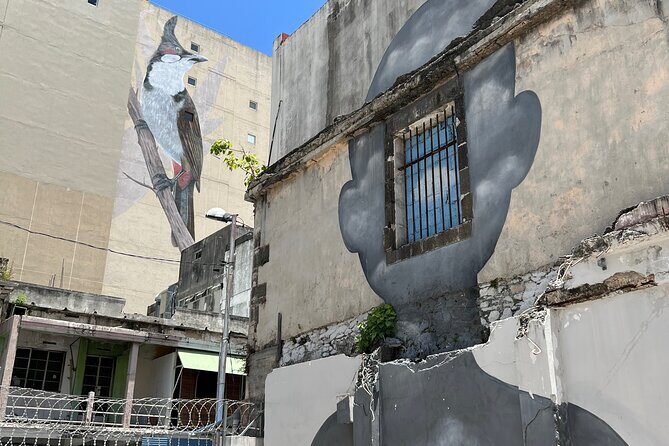
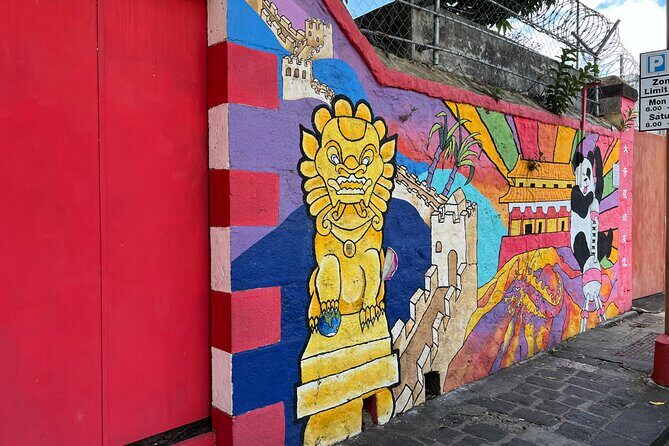
Then you shift into China Town, and this is where the tour really earns its name. This area is known for shops that have been operating for over a hundred years, and some families keep businesses in older buildings rather than upgrading to newer structures.
What you’ll notice is the “texture” of the neighborhood: tiny retail spaces, some of them dark and narrow, plus the sense of everyday commerce continuing in the background. This isn’t just about architecture. It’s also about how trade culture shaped what people eat and how ingredients show up in daily life.
Historically, China Town was a trade center, but its commercial power changed with the arrival of supermarkets on the island. So as you walk, the older shop feel comes with a sense of what shifted—and what kept going.
You get about 1 hour here, with admission included. Practically, this is also the point where you’ll likely start settling into the rhythm of tasting. You’re not just passing through; you’re being guided through what to notice, what to try, and how the flavors connect across cultures.
A few more Mauritius tours and experiences worth a look

Stop 4: Central Market—fruit, herbs, spices, and potions
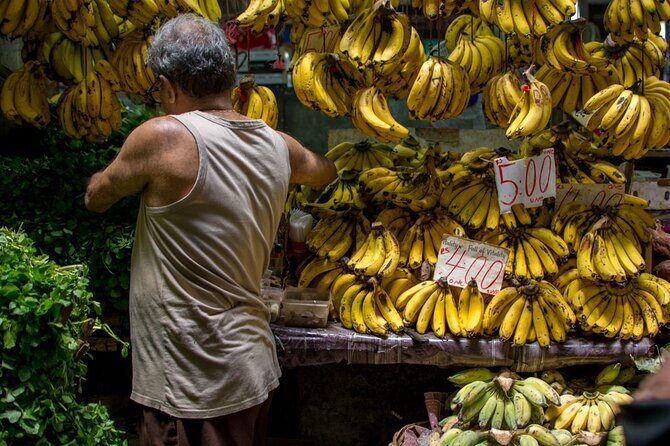
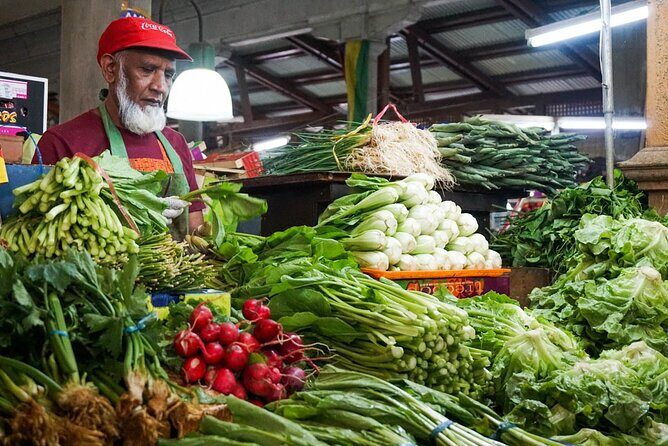
Central Market is your next big sensory stop. It’s an open-air market with fruit, herbs, spices, and even “potions,” which tells you how local this place is. This is the kind of setting where you can taste with context because you can see ingredients up close.
The market stop is about 30 minutes, and admission is included. That’s long enough to get oriented, ask questions, and try what the guide suggests without turning it into an endurance event.
This is also where I’d expect the guide’s choices to matter most. A good street food guide doesn’t just send you to the tastiest-looking stall; they balance variety, timing, and portion sizes so you don’t end up overfull too early (or too hungry too late).
The food: what you’ll actually sample in Port Louis
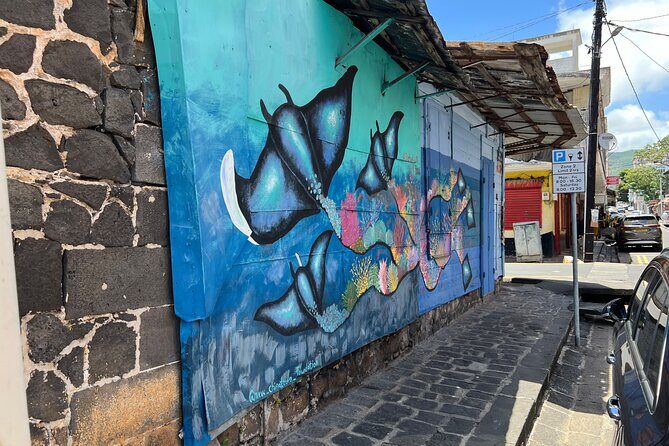
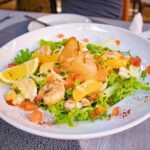
The heart of the experience is food sampling while you walk the city. You can expect snacks plus a lunch component, along with bottled water and multiple food tastings.
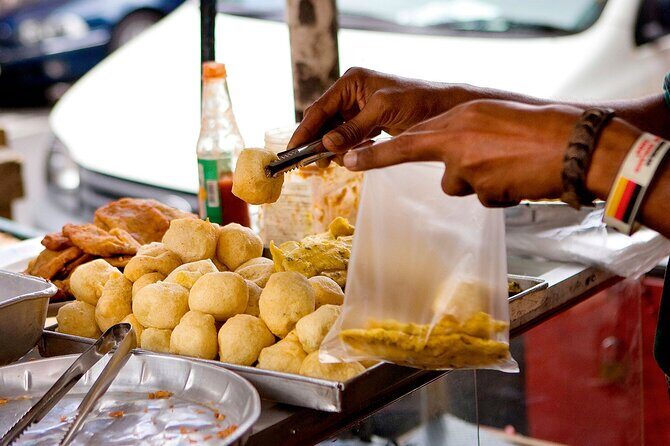
The route is built around distinct cultural flavors. Mauritius food is influenced by Indian, Chinese, and African cultures, and the tasting selection aims to show that overlap instead of repeating the same base dish again and again. The tour includes about 8 different dishes to try.
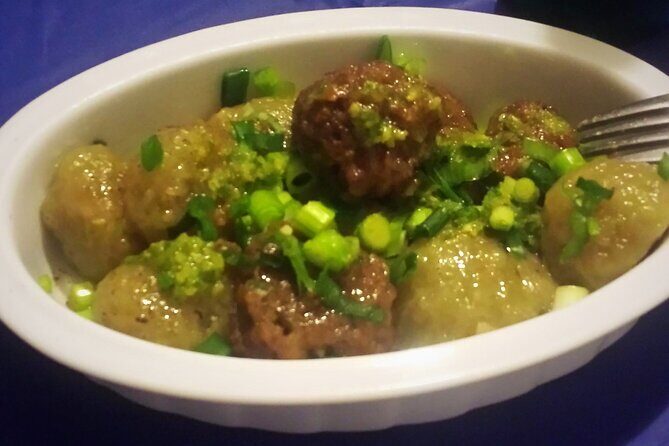
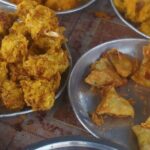
One highlight called out clearly is gato pima—deep-fried chili bites made with soaked split peas, spring onions, and green chilies. These aren’t mild. They’re designed to hit you with punchy flavor and spice.
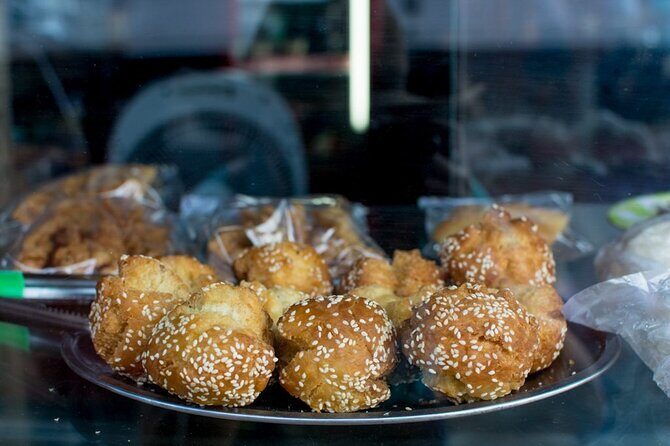
Another part of the Chinatown segment centers on treats derived from Hakka Chinese dishes, which is a nice change from the usual “generic Chinese food” explanation. You’re tasting the island’s adaptation, not just importing someone else’s menu idea.
If you like food tours where you eat slowly enough to actually notice differences—spice level, texture, and how sauces behave—this is the right style.
Stop 5: Les Jardins de la Compagnie—banyan trees, statues, and a safety note
After the market and Chinatown, you get a breather at Les Jardins de la Compagnie. This is Port Louis’s most attractive garden area, known for its large banyan trees, plus statues, quiet benches, and fountains.
In early colonial times, the garden was the vegetable patch for the French East India Company. Today, it’s better known for art and local cultural references, including statues by sculptor Prosper d’Épinay and the musician Ti Frère.
This stop is about 20 minutes with admission included. It’s also where you get a safety consideration that you should take seriously: the garden is described as perfectly safe during the day, but it’s not a place you want to linger after dark. The note is blunt—avoid it at night because it’s used by sex workers and drug addicts.
So think of this as a daytime reset, not an evening stroll stop.
Value check: $49.40 and whether it’s worth your time
At $49.40 per person, this tour is priced like a guided half-morning with multiple included entrances plus a real eating plan. The biggest “value” factor is that you’re not only paying for food.
You’re also paying for:
- Snacks and lunch
- Food tastings across roughly 8 dishes
- Bottled water
- Admission tickets for each major stop (Aapravasi Ghat, Jummah Mosque, Chinatown area, Central Market, and the garden)
On top of that, you’re getting a guide who can explain what you’re seeing while you’re eating. In the kinds of reviews that stand out, the guide is often praised for striking the balance between information and letting you explore at your own pace. Dourvesh is specifically mentioned as a standout guide who adapted the tour to different interests while keeping everyone fed.
If you only have a short amount of time in Port Louis and want both food and context, this is a solid way to spend it without burning hours figuring everything out alone.
Who should book this tour (and who might skip it)
I’d recommend it if:
- you want street food with guidance (not just a list of places to Google)
- you like pairing food with culture and history
- you want a manageable schedule in the 3 to 4 hour range
- you prefer a small group format (up to 10)
I’d think twice if:
- you’re hoping for a super long, sit-down meal day (this is a walk-and-sample style)
- you’re visiting with heavy mobility constraints, since it’s built around moving between several city stops
- weather is unpredictable, because the tour requires good conditions to run
Practical tips so you enjoy it more
A food tour is only fun if you feel comfortable enough to focus on taste. Wear shoes you can walk in and be ready for a mix of street sights and market scenes.
Also, come hungry. Between snacks, multiple tastings, and lunch, you’ll likely be completely done with food before the tour ends—so don’t plan to “save room” for a big dinner right after.
Finally, if you’re sensitive to spice, you might want to tell your guide early. The menu includes chili bites, so the heat is part of the deal.
Should you book the Port Louis Street Food City Tour?
Book it if you want a smart half-day plan that mixes Aapravasi Ghat, mosque architecture, Chinatown shop culture, the Central Market ingredient scene, and a garden pause—while feeding you along the way. The included tastings and admissions make it feel like more than a casual snack crawl.
Skip it if you’re mainly after a slow, luxury-style food experience or if you don’t like walking between multiple stops. Also, if you’re visiting during a period where weather could be rough, keep an eye on conditions because the tour needs good weather to operate.
If your goal is to understand Port Louis as much as to eat in it, this tour has the right shape.
FAQ
How long is the Mauritius Port Louis Street Food City Tour?
It runs about 3 to 4 hours.
Where does the tour start and end?
It starts at IBL House, Port Louis, near the Caudan Waterfront, and it ends back at the same meeting point.
What’s the price per person?
The price is $49.40 per person.
What’s included in the tour?
You get snacks, lunch, food tastings, bottled water, and a local guide.
Are admission tickets included for the stops?
Yes. Admission tickets are included for Aapravasi Ghat, Jummah Mosque, China Town, Central Market, and Les Jardins de la Compagnie as part of the tour stops.
Is hotel pickup included?
No. Hotel pickups and drop-offs are not included.
What happens if weather is poor?
The tour requires good weather. If it’s canceled due to poor weather, you’ll be offered a different date or a full refund.