REVIEW · CHAMAREL
Entrance Ticket to World of Seashells museum
Book on Viator →Operated by Island Escapes · Bookable on Viator
A shell can be a whole lesson. In Chamarel, the World of Seashells museum brings together 8,000 shells from around the world and turns them into story-driven science—shapes, defenses, myths, even the math behind spirals. It’s one of those stops that surprises you for how much there is to notice.
What I like most is how the collection isn’t just pretty. You’re shown shell form and function in plain language (morphology, living mechanism, defense systems) and then linked to how people used shells over centuries. Second, it’s surprisingly well suited for families: kids get the eye-candy of dreamy colors and patterns, while adults can geek out on the shell theorem and spiral curves.
One thing to consider: plan your timing carefully. This is the kind of place where arriving too close to closing or last entry can sour the experience, and there’s a lot to read, so fast walkers with very short attention spans might find it a bit much.
In This Review
- Key things to know before you go
- The World of Seashells in Chamarel: what makes it different
- Is the $7 ticket worth it for what you’ll see
- Timing it right: 9:00 am start and how long to plan
- Walking through the museum: what you’ll see in the main galleries
- Shells as living design: shape, function, and survival
- Colors, patterns, and why variety matters
- Humans and shells: use over centuries
- Myths and the origin of life symbol
- The shell theorem and spiral curves: the math moment
- Who this museum is best for (and who might find it harder)
- Tickets, mobile entry, and practical arrival tips
- Book ahead or walk up?
- What I’d do to get the most out of your visit
- Should you book World of Seashells in Chamarel?
- FAQ
- How much is the entrance ticket to the World of Seashells museum in Chamarel?
- How long does the visit take?
- What time does the experience start?
- Is the ticket mobile?
- Is confirmation provided when booking?
- What happens if the weather is poor?
- Can I cancel and get a full refund?
Key things to know before you go
- 8,000 shells: a large, global collection focused on variety and visual impact
- Shell science + stories: living mechanisms, defense systems, and myths tied to the shell symbol
- Math behind the spiral: explanations that connect shell shapes to spiral curves
- Good for kids and adults: patterns and colors for children, deeper info for grown-ups
- Easy ticket on your phone: mobile entry makes it simple at arrival
- Timing matters: go early enough to avoid last-entry issues
The World of Seashells in Chamarel: what makes it different
If you think a seashell museum sounds like a bunch of dusty displays, this place will reset your expectations fast. The World of Seashells museum in Chamarel is built around one idea: a shell is not just decoration. It’s architecture, protection, and a biological clue to how the animal lived—and that turns into a whole sequence of displays that move from what you see to what it means.
The standout feature is the sheer scale. You’re looking at 8,000 seashells from all over the world, presented in a way that helps you compare shapes and textures rather than getting overwhelmed by objects stacked everywhere. And because it isn’t only about shells that look interesting, you also spend time on how shells work, how animals survive, and how people have used them for centuries.
There’s also an extra layer that most museums skip: the connection between shell patterns and math. When you learn about spiral curves through a shell-focused explanation (including the shell theorem), the shapes stop being random and start feeling designed. That’s a big part of why this works for both curious kids and adults who like science and logic.
A few more Chamarel tours and experiences worth a look


Is the $7 ticket worth it for what you’ll see
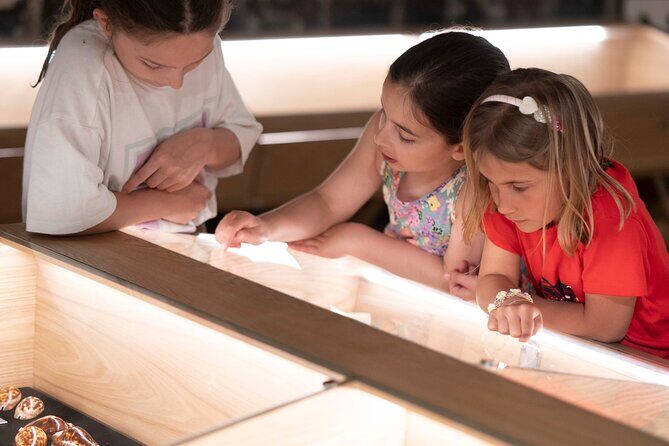
At $7.00 per person, this is priced like a small, low-risk detour—especially in a region where paid activities can run higher. In your case, the value comes from two angles.
First, the collection size is not “a few shelves.” You’re dealing with thousands of shells, plus interpretive information. Second, the learning isn’t just scientific facts. There’s also cultural use over centuries and myths and legends tied to the origin of life, using the shell as a symbol. That combo makes the ticket feel more like an experience than a quick look.
You should still set expectations correctly. This isn’t a hands-on workshop. You’re mostly observing and reading. If you like to slow down and take in details—colors, patterns, shape differences, and label explanations—you’ll feel like you got your money’s worth quickly. If you prefer to skim and move on, you may finish faster than the longer visits and might not absorb all the layers.
Timing it right: 9:00 am start and how long to plan
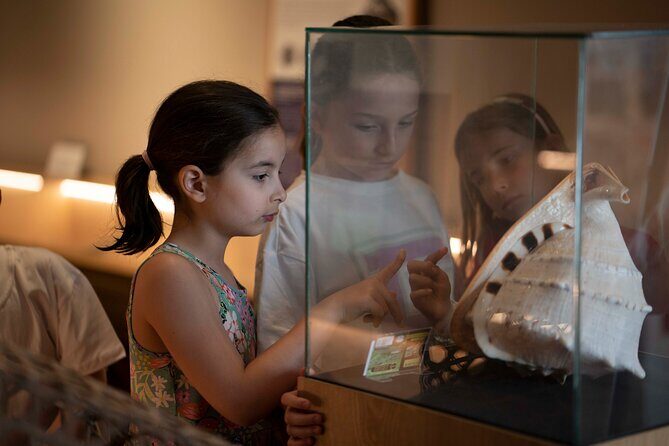
The experience starts at 9:00 am, and the visit length runs about 45 minutes to 1.5 hours. That range matters because this museum is built for wandering with purpose. If you read along, you’ll naturally take longer. If you’re more visual and skim the text, you can move through at a quicker pace.
One practical tip: build in buffer time so you’re not rushing near the end. There’s at least one account where late arrival ran into closure with signage already put away. I’d treat that as a clue to avoid being the person who shows up at the last possible minute. Aim to be inside well before mid-afternoon, and you’ll feel relaxed instead of stressed.
If you’re traveling with kids, go with the 45–60 minute plan. Let them do a quick visual “hunt” for their favorite spiral shell shapes, then settle into reading the sections that explain how shells protect and survive. If you’re traveling as adults, you can stretch it to closer to 1.5 hours and spend extra time on the math/spiral part.
Walking through the museum: what you’ll see in the main galleries
Your visit is centered on one stop: World of Seashells in Chamarel. When you arrive, you’re essentially stepping into a curated learning walk through shell form, function, and meaning. The displays are arranged so you can shift gears without feeling lost.
Shells as living design: shape, function, and survival
One of the most interesting parts is how the museum frames shells as living equipment. You’ll learn about shell morphology (form and structure) and the “living mechanism” of shells—how shells relate to the animal that created them. Then you move into defense systems, which is a fun angle because it turns shells into safety gear rather than just a pretty object.
For you, that means you don’t just collect impressions like white, pink, spiral, striped. You start recognizing why those features exist. It changes how you look at the same spiral or the same ridges. Adults often find this section satisfying because it’s science-focused but not written like a textbook.






Colors, patterns, and why variety matters
The museum leans hard into the visual side too: dreamy colors, perfect patterns, and careful presentation of thousands of specimens. That visual variety is more than decoration. It teaches you that shells evolved different solutions depending on environment and survival pressure.
If you love the ocean, this is where you can just enjoy the eye-candy while still getting information. And if you’re bringing kids, this section often does the heavy lifting. Kids can spot differences fast, and those quick wins keep attention from drifting.
Humans and shells: use over centuries
Another part of the walk looks at how people used shells worldwide over centuries. Even without modern tech, shells became tools, decorations, status symbols, and craft materials in many cultures. This gives the museum balance. You’re not stuck only in biology; you get the human angle too.
For you, this is the bridge between what you see now and why shells mattered historically. It also helps a lot if you’re traveling as a family—because kids can shift from science curiosity to storytelling curiosity.
Myths and the origin of life symbol
Then the museum turns to myths and legends where the shell is connected to the origin of life. That religious and symbolic thread can feel surprising in a museum setting, but it’s also exactly why the experience feels memorable. Shells become a shared symbol across cultures, not just a random natural object.
I find this section works best if you let it be what it is: symbolic storytelling paired with a scientific object you’ve already been studying. You can treat it like a change of mood during the walk.
The shell theorem and spiral curves: the math moment
This is the section that can make you smile even if you’re not a math person. The museum explains the shell theorem and how it relates to the mathematical origin behind those spiral curves you see in so many shells.
If you’ve ever wondered why spirals look so “right,” this is where you get an explanation that ties shape to rule. For adults, it’s a nice mental payoff. For kids, it can feel like a puzzle. Either way, it turns a familiar form into something you understand.
Who this museum is best for (and who might find it harder)

This stop is a solid match for several groups:
- Families with kids who like animals, nature, and colorful objects
- Adults who enjoy science explanations but don’t want them overly technical
- People who love the sea, snorkeling, shells, or beachcombing and want deeper context
- Anyone interested in the connection between natural patterns and math
Now, the one caution: if you have a very short attention span, the sheer number of shells plus the amount of information can feel like too much. There’s no shame in that. Instead of trying to read everything, focus your kids on finding their favorite pattern or shape first, then pick a few sections to read carefully.
Also, if you’re going late in the day, don’t assume you’ll have full time to explore slowly. Plan earlier and keep the mood easy.
Tickets, mobile entry, and practical arrival tips
You’ll get a mobile ticket, which is convenient. That matters when you’re touring Mauritius and don’t want to spend time hunting for prints or worrying about paper.
The museum is also listed as near public transportation. That’s useful if you’re not renting a car and want an easy stop while you’re in the south.
A detail I appreciate: service animals are allowed, and most visitors can participate. If you’re traveling with someone who needs an animal for assistance, this is a reassuring sign.
One more practical note: the experience requires good weather. If weather is poor, it can be canceled with an offer of a different date or a full refund. So when you’re planning your south-island day, don’t stack this tightly with other outdoor activities. Give yourself breathing room.
Book ahead or walk up?
It’s an entrance-ticket style experience, and it’s commonly booked about 5 days in advance on average. That’s not a sign you need a months-long plan, but it is a clue that it can be popular enough that planning ahead keeps your day smooth.
I’d book ahead if:
- you’re traveling in peak season,
- you’re going with kids and want certainty, or
- you want the cleanest schedule possible.
What I’d do to get the most out of your visit
Here’s how to make this hour or so feel worth it, even if you’re not a “shell person” today:
- Pick one shell theme first. Spiral shells, striped shells, or thick defensive-looking shells.
- Read the shell function section only after you notice the patterns. You’ll understand the purpose of the shapes faster.
- Let kids choose a favorite, then explain it once. One short explanation beats ten long ones.
- Don’t skip the math section. Even adults usually find it satisfying because it connects visual beauty to rules.
If you do those four steps, you’ll leave with more than memories of pretty objects. You’ll leave with understanding.
Should you book World of Seashells in Chamarel?
If you’re in southern Mauritius and you want a family-friendly activity that doesn’t talk down to you, I’d book it. For $7.00, you’re paying for scale (thousands of shells), learning (science, myths, and even math), and an experience that’s easy to fit into a day.
Skip or reconsider if you hate reading labels, have very low patience for museum-style learning, or you tend to arrive late and rush through things. Also, if you’re planning around unpredictable weather, keep an eye on conditions so you’re not stuck with a last-minute change.
Overall, it’s the kind of stop that turns a simple natural object into a story you can actually follow—one shell at a time.
FAQ
How much is the entrance ticket to the World of Seashells museum in Chamarel?
The ticket price is $7.00 per person.
How long does the visit take?
The visit typically lasts 45 minutes to 1 hour 30 minutes.
What time does the experience start?
The start time is 9:00 am.
Is the ticket mobile?
Yes, the ticket is listed as a mobile ticket.
Is confirmation provided when booking?
Yes, confirmation will be received at the time of booking.
What happens if the weather is poor?
This experience requires good weather. If it’s canceled due to poor weather, you’ll be offered a different date or a full refund.
Can I cancel and get a full refund?
Yes. You can cancel up to 24 hours in advance for a full refund. If you cancel less than 24 hours before the start time, the amount paid is not refunded.