REVIEW · DOLPHIN & WHALE WATCHING
Whale watching
Book on Viator →Operated by Dolswim Ltd · Bookable on Viator
Whales and speed boats, all in one morning. This Mauritius trip uses a crew’s hydrophone in the water to locate whales off the west coast, then guides you in close enough for photos while still keeping proper distance.
What I like most is the combination of small group energy (max 8) and the clear focus on whale welfare. You also get live commentary on board, so you’re not just staring out at ocean water hoping for the best.
One thing to plan for: conditions matter. It’s a 2.5-hour ride and a few reviews mention getting soaked in rough weather, so pack for splashy seas even if the day looks calm.
In This Review
- Key points
- Why this whale-watching format works off Mauritius
- Your 10:00 a.m. plan: meeting point, search time, and what you actually do
- What whales you’re looking for, and when Mauritius seasons matter
- The hydrophone and approach rules: how the crew increases your odds without stressing whales
- What’s included: drinks, commentary, and the food question you should confirm
- Comfort and clothing tips for a wet, bouncy speed-boat ride
- Dolphins and backup wildlife: what happens if whales don’t cooperate
- Price and value: is $69.79 worth it?
- Who should book this whale-watching tour
- Should you book this Dolswim whale watching trip?
- FAQ
- How long is the whale watching tour?
- Where do I meet for the tour?
- What are my chances of seeing whales?
- What whales can you see off Mauritius?
- What’s included in the ticket price?
- What happens if the weather is poor?
Key points
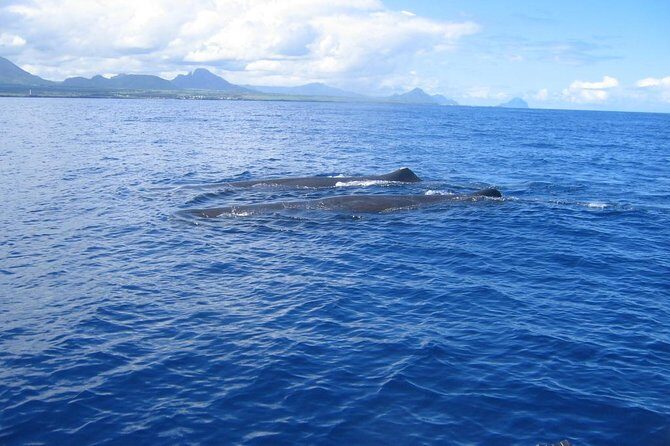
- Hydrophone tracking helps the crew pinpoint where whales are before you ever reach the sighting area
- Small group size (up to 8 travelers) makes it easier to move, hear the guide, and stay comfortable
- Sperm whales year-round; humpbacks June to October so timing affects what you’re most likely to see
- Ethical approach rules keep distance and reduce disturbance, with crews emphasizing legal behavior
- About a 60% chance of seeing whales gives you realistic expectations, not false promises
Why this whale-watching format works off Mauritius
Mauritius has a long list of ways to see wildlife, but whale watching is the one that can turn your whole trip memory into one big wow moment. On this outing, you’re not stuck waiting on a dock. You’re out on a speed boat, moving toward whale signals based on real-time detection.
I also like how the experience is built around expectations you can trust. A guaranteed whale sighting is never promised, but the tour states a 60% chance of seeing whales. That’s useful. It helps you stay excited without pretending the ocean owes you a show.
The other big win is the respectful approach. The crew’s job isn’t to chase. It’s to find, then hold a safe distance. That’s why people talk about better behavior around the whales and fewer chaotic moments when other boats arrive.
You can also read our reviews of more whale watching tours in Mauritius

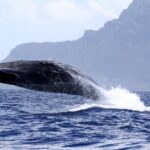
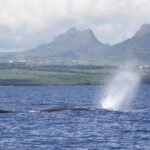
Your 10:00 a.m. plan: meeting point, search time, and what you actually do
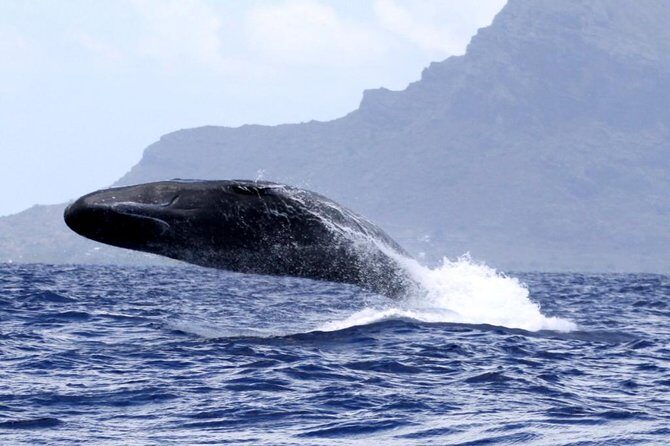
The tour starts at 10:00 a.m. at La Jetée Road, Grande Riviere Noire, Mauritius, and it ends back at the same meeting point. There’s no hotel pickup or drop-off, so you’ll want to plan your own short transfer and arrive early enough to get your bearings at the shoreline.
Once you’re underway, the ride is part of the fun. From what you’ll see described, it usually takes a while to reach the most promising area—think about an hour of cruising before the whales show up for many departures. That search time is where the hydrophone makes the difference.
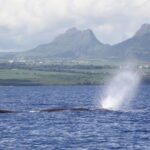
On board, the crew tries to localize whales using a hydrophone in the water, plus the whales’ blows (those surface breaths) can also help confirm where they are. When they find the right spot, you’ll get the chance to watch closely and take photos without turning the encounter into harassment.
Timing wise, the tour runs about 2 hours 30 minutes, ending around 1 p.m. If you’re pairing it with lunch or other plans the same day, plan a little buffer. A few comments mention that if whales aren’t found quickly enough, the day can shift toward other wildlife (like dolphins) and head back sooner.
What whales you’re looking for, and when Mauritius seasons matter
This trip is designed for two main targets: sperm whales and humpback whales. Here’s the practical takeaway: your calendar matters more than you might expect.
- Sperm whales: can be seen year-round
- Humpback whales: seen seasonally, between June and October
That lines up with what you’d want from a tour like this. If you’re traveling outside the humpback window, your odds lean more toward sperm whales. If you’re in the June–October stretch, you’re adding the possibility of humpbacks to the mix.
Also, sperm whales can be easier to plan around because they’re not limited to a few months. That doesn’t mean spotting is guaranteed, but it makes the whole outing feel less like a roll of the dice.
And when whales do show up, you’re not just looking for a quick flash. The goal is a respectful viewing window where you can watch behavior and get real photos—especially since the crew tries to stay close enough for images while still meeting minimum distance rules.
The hydrophone and approach rules: how the crew increases your odds without stressing whales
The hydrophone isn’t a gimmick. It’s a way to translate whale presence into something the crew can act on. In plain terms: sound detection helps them narrow down where to go, before you waste the whole time slowly scanning the horizon.
Once you’re in position, the crew then manages the encounter based on whale-watching rules—keeping a safe distance so you don’t disturb them. That’s a key difference between tours that feel like a wildlife “free-for-all” and those that feel like organized fieldwork at sea.
A pattern in positive comments is how guides and captains emphasized calm, responsible behavior. People specifically praised the way they stayed sensible about distance and avoided actions that would increase stress for the animals.
There’s also a practical photo angle here. If the crew is handling approach rules well, you get the best of both worlds: you’re near enough to capture a moment, but not so close that the whales react and disappear.
What’s included: drinks, commentary, and the food question you should confirm
What you get for sure on board:
- Bottled water
- Soft drinks
- Live commentary on board
That live guidance is more than background noise. It helps you understand what you’re seeing—type of whale, behavior, and why the boat is doing what it’s doing at that moment.
About food, the details are a little mixed. The highlights mention a light lunch and beverages, while the cost breakdown lists Lunch as not included. I can’t reconcile that perfectly from the info given, so here’s the smart move: when you book, confirm whether there’s a light lunch included on your date or if you should plan on eating after the tour.
For most people, the drinks plus a short outing usually make it manageable. But if you’re sensitive to low fuel or you’re traveling with kids, a quick confirmation avoids surprises.




Comfort and clothing tips for a wet, bouncy speed-boat ride
Even with good planning, this is still a speed-boat ride on open water. That means you should dress like you expect spray. Some reviews describe bumpy rides in small boats and mention being soaked when winds pick up.
So I’d pack with realism:
- A light rain jacket or windbreaker
- Something warm in case the breeze bites
- A change of clothes if you run cold easily
- Water-resistant footwear if you have them
You don’t need to overthink it, but you do want to avoid the “I was fine until I wasn’t” moment. If you show up prepared, the ride feels exciting instead of miserable.
Also, bring your camera plan. When the crew finds whales, the moment can move fast. You’ll want quick access to your phone or camera, not your bag half on the floor while you’re still figuring out settings.
Dolphins and backup wildlife: what happens if whales don’t cooperate
Whale sightings can’t be guaranteed—no ethical operator would promise that. This tour uses a clear statement of odds: a 60% chance of seeing whales.
If whales don’t show up (or don’t show up for long), you may still get wildlife time. One comment described the search ending after about 45 minutes and the trip shifting into a dolphin encounter instead. That doesn’t mean it happens every time, but it’s a good heads-up for your expectations.
The honest way to think about it: your primary goal is whales, and the crew works to find them. If the ocean doesn’t give you that, your day should still include something worthwhile—just not the exact scenario you imagined.
That’s also why the group size matters. In an up-to-8 setup, if the plan changes, people aren’t packed shoulder-to-shoulder. You still keep the “small expedition” feel rather than turning it into a crowded scramble.
Price and value: is $69.79 worth it?
At $69.79 per person for about 2.5 hours, this isn’t a cheap “sit and hope” activity. It’s priced like a guided, moving wildlife search with a real crew and a specialized tool (the hydrophone).
So what makes it feel like value for money?
- You get small-group attention, not a mass-boat experience
- You get live guidance and explanation during the ride
- The crew is actively managing approach distance for whale welfare
- You also have a reasonable stated probability (60%) rather than vague marketing
The main “value risk” isn’t price—it’s the ocean. If weather is rough or whales aren’t in the area, you may leave without the sighting you hoped for. That’s also why the tour requires good weather and may reschedule if conditions aren’t right.
One more practical value note: there’s no hotel pickup. If you’re staying far from the meeting point, your actual day cost might rise due to transport. Plan for that, and the base price feels fair.
Who should book this whale-watching tour
This is a great fit if you:
- Want a responsible whale experience where the crew works to keep distance
- Like the idea of a targeted search using hydrophone tracking
- Enjoy photo opportunities without chaos around the animals
- Prefer a small group (max 8) for a more relaxed feel
It might not be ideal if you:
- Get motion sick or hate boat rides on choppy water
- Need a very predictable schedule with zero chance of a plan shift
- Want hotel pickup and a super hands-off experience
If you’re traveling as a couple or small group and you’re flexible about sightings, this format matches that style of trip.
Should you book this Dolswim whale watching trip?
If you want a Mauritius whale outing that prioritizes animals and gives you a real plan (hydrophone search, guided viewing, safe distance), I’d say yes, book it—especially if you’re traveling in the June–October humpback window or you’re happy focusing on sperm whales.
Just go in with the right mindset: whales aren’t guaranteed, and weather can affect comfort and timing. If you dress for spray, arrive a little early at La Jetée Road, and confirm the food situation when you book, you’ll get a memorable morning built around genuine wildlife respect.
FAQ
How long is the whale watching tour?
The tour lasts about 2 hours 30 minutes and it typically ends around 1 p.m., starting at 10:00 a.m.
Where do I meet for the tour?
You meet at La Jetée Road, Grande Riviere Noire, Mauritius, and the activity ends back at the same meeting point. There’s no hotel pickup or drop-off.
What are my chances of seeing whales?
The tour states a 60% chance to see whales. Whales can’t be guaranteed.
What whales can you see off Mauritius?
You may see sperm whales year-round. Humpback whales are seasonal and can be seen between June and October.
What’s included in the ticket price?
The experience includes bottled water, soft drinks, and live commentary on board.
What happens if the weather is poor?
The tour requires good weather. If it’s canceled due to poor weather, you’ll be offered a different date or a full refund.