REVIEW · GUIDED
Rodrigues Island – ORIGINE Guided Tour
Book on Viator →Operated by The CNemorin Company Ltd · Bookable on Viator
Rodrigues Island can feel like it’s running on island time, and this guided tour helps you read that story fast. I like how the day mixes history and geology with practical sightseeing stops, and I also like the small group size (max 12) that keeps it personal. The one drawback: you’ll need a moderate fitness level, plus there’s no wheelchair access.
You get picked up from your hotel and brought to key viewpoints and cultural sites, with a guide calling out what matters and why. Expect a steady flow of stops—from Port Mathurin to caves—rather than one long beach day, so plan your schedule around a full, active morning.
If you’re the kind of traveler who likes to understand where you are (not just pose for photos), this tour fits well. The included two-course lunch is a good reset in the middle, but drinks aren’t included, so bring a plan for staying hydrated.
In This Review
- Key Points Worth Noting
- A 7-Hour Rodrigues Day Built Around History and Rock
- Port Mathurin: Getting Your Bearings on Rodrigues
- Pointe Canon: Military History With a View-First Angle
- Mont Limon’s 240° Panoramic View: The Photo Moment With Context
- Traditional House and St. Gabriel Cathedral: Culture That Explains Daily Life
- Pajérôme Water Legends: Where Story Turns Into Place
- Lunch Break: A Two-Course Reset You’ll Appreciate
- Caverne Patate: Stalactites, Stalagmites, and Step-by-Step Walking
- Coral Quarry and Calcarenites: When the Island’s Past Becomes Physical
- Mont Pistache Stratum: The Final Geology Note to Tie the Day Together
- What You’ll Get Included (and What You’ll Need to Pay For)
- Getting There, Getting Moving, and What to Wear
- Guide Energy: The Difference Between Seeing and Understanding
- Should You Book the Rodrigues ORIGINE Guided Tour?
- FAQ
- How long is the Rodrigues Island ORIGINE guided tour?
- What is the start time?
- What does the price include?
- Is lunch included, and are there dietary options?
- How big is the group?
- Is the tour wheelchair accessible?
- Where do they pick you up and do you get dropped off?
- Are drinks included with lunch?
- Do I need a certain fitness level?
Key Points Worth Noting
Small-group format (up to 12) keeps the pace friendly.
240° view from Mont Limon gives you a real sense of Rodrigues’ scale.
Caving and geology stops take you from stalactites and stalagmites to coral quarry features.
Cultural anchors like a traditional house and St. Gabriel Cathedral add context beyond scenery.
Hotel pickup and drop-off makes the day easier if you don’t want to drive.
A 7-Hour Rodrigues Day Built Around History and Rock
This ORIGINE guided tour is designed for people who want more than a quick highlights loop. You spend the day learning how Rodrigues fits into a bigger story—colonial times, military traces, local legends, and the island’s physical make-up. The big win is that the guide links each stop to a reason, so the places don’t feel like random photo points.
The day runs about 7 hours and starts at 8:30 am, with hotel pickup and drop-off. That early start matters on Rodrigues. It keeps you ahead of the sun angle for views and gives you a smoother rhythm for the walks and cave visit later. If you like sleeping in, this may feel early—but it also means you’re done before your afternoon gets complicated.
One more thing I appreciate: you’re not stuck with a huge bus load. Maximum 12 travelers means you can actually hear the guide, ask questions, and move as a group without feeling squeezed. The tour also requires a minimum of 2 people, so if you’re traveling solo, you’ll want to check availability rather than assume it always runs on your dates.
You can also read our reviews of more guided tours in Mauritius
Port Mathurin: Getting Your Bearings on Rodrigues
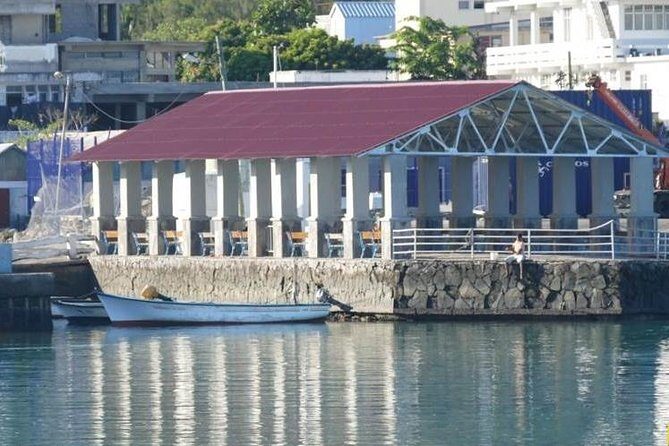
Most island days fail when you skip the first step: figuring out where you are and how the place evolved. This tour fixes that with a focused start at Rodrigues Friendly CAFÉ & Local Tour Operator, then moves into a tour of Port Mathurin—past and today, from colony-era references to modern life.
What I like here is the mix of practical and interpretive. You’re not just shown streets and buildings; you’re coached to see patterns. Port Mathurin is the island’s main hub, so understanding its role helps every other stop later in the day make more sense. Even if you’ve only been in Rodrigues for a day or two, you’ll leave with a clearer mental map.
From a value standpoint, this is where the guide pays for themselves. A self-guided stroll can be nice, but it rarely teaches you why a place looks the way it does or what to notice when you move on.
Pointe Canon: Military History With a View-First Angle
After getting your bearings, you head to Pointe Canon for the island’s military history. This is one of those stops that works even if you’re not a history fanatic, because the topic is tied to the island’s geography—where people placed defenses and how the coastline and terrain shaped choices.
I like that the tour frames military history as lived space, not a dusty lecture. You’re able to see the area, then connect what you’re hearing to what you’re looking at. That combination helps the story stick.
Possible consideration: if you’re traveling with people who only want beaches or pure nature, this is the first time the day gets more “explain and interpret.” It’s still interesting, just not a passive sightseeing stop.
Mont Limon’s 240° Panoramic View: The Photo Moment With Context
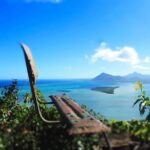
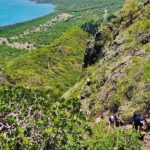
Then comes the payoff. You’ll go up to Mont Limon, described as being on the roof of Rodrigues, for a panoramic view of about 240°. This is where the day’s earlier context starts to snap into place. Once you can see the island’s shape and how areas relate to each other, the historical and cultural stops feel less random.
This viewpoint is also where you’ll likely understand why Rodrigues feels different from the larger nearby islands. You don’t just see water; you see the scale of the land, the way coastlines curve, and how the island’s interior reads from above. Bring your camera and take a few minutes to actually look. The best photos often come after you stop “shooting mode” and start observing.
Practical tip: because the day starts at 8:30 am, you should still be in good light for photos when you reach the viewpoint. If you’re sensitive to heat, bring sunscreen and a cap. Even when you’re in the shade, you’re likely to be outdoors for chunks of the day.
Traditional House and St. Gabriel Cathedral: Culture That Explains Daily Life
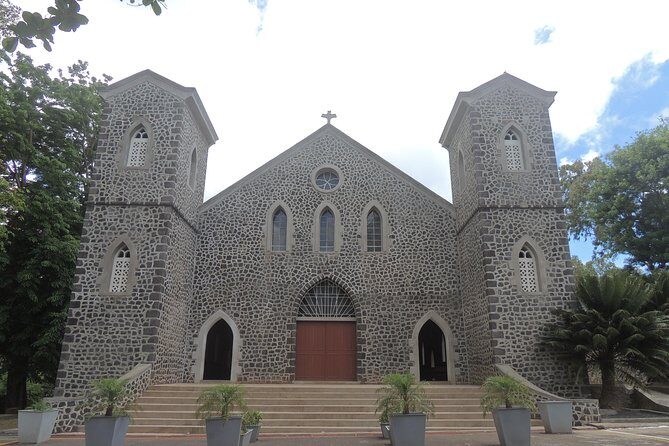
One of my favorite parts of Rodrigues tours is when they go beyond nature and show how people live and believe. This one includes a visit to a traditional house, then a deeper look into St. Gabriel Cathedral.
The cathedral stop is treated like a guided experience, not a quick look-and-go. You learn history to help you “fully experience” the tour of the site. That phrasing matters because religious and cultural buildings are often misunderstood when you just rush through them without context.
The traditional house also helps you connect the dots. It’s easier to understand the island’s culture when you see how people constructed homes and how daily routines would fit into the landscape. This portion is where I’d tell you to slow down. Don’t just take pictures—listen for the little details the guide shares about the setting and the way life evolved.
Pajérôme Water Legends: Where Story Turns Into Place
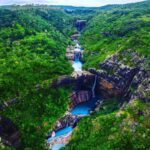
Next, the tour moves through Pajérôme water, guided by a legend. This is the kind of stop that makes Rodrigues feel like more than a dot on a map. Legends matter because they shape how locals interpret landforms and natural features. Even if you don’t know the background before your visit, the guide’s explanation gives you a way to connect what you see with what it means to the community.
This portion tends to work well because it’s story-driven but still tied to a real location. If you enjoy oral history—those local narratives that travel through people rather than books—you’ll probably find this one memorable.
If you’re short on patience for storytelling, it may feel slower than the viewpoint stops. But as a “glue” between culture and nature, it’s doing important work in the day.
Lunch Break: A Two-Course Reset You’ll Appreciate
Some tours rush you through food like it’s a checkbox. This one includes a two-course lunch, plus bottled water. Drinks aren’t included, so you’ll want to plan for that—either budget for what you’ll buy or keep water intake steady before you sit down.
Why I like this lunch setup: two courses usually means you’re not eating a sad sandwich between activities. It also gives you a mental break right after several outdoor stops and a bit of walking. If you’ve been on islands before, you know timing matters. A good lunch at the right point in the day can make the rest of the tour feel lighter.
A vegetarian option is available if you advise at booking, which is helpful if you have dietary restrictions.
Caverne Patate: Stalactites, Stalagmites, and Step-by-Step Walking
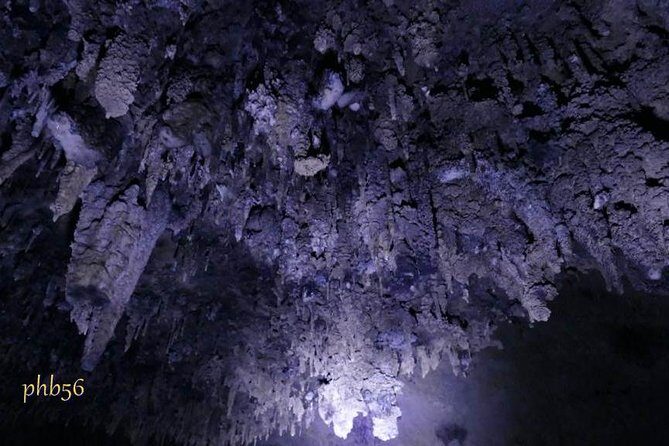
After lunch, the tour goes to Caverne Patate for a guided walk between stalactites and stalagmites. Caves can be hit-or-miss on tours—sometimes you get a rushed walk through a small passage, and sometimes you get a real sense of how dramatic the space is.
Here, the pacing is described as step by step, which suggests you’ll be guided through the cave interior thoughtfully. That also tends to reduce the chances of missing key features. If you enjoy geology, this stop is a natural bridge from the earlier viewpoint and history: you’re literally seeing how time shaped the rock.
Possible drawback: this is not a wheelchair-accessible experience, and it also assumes you can walk through cave terrain and stairs or uneven surfaces. If you’ve got mobility limits, consider how much walking you can comfortably handle before booking.
Coral Quarry and Calcarenites: When the Island’s Past Becomes Physical
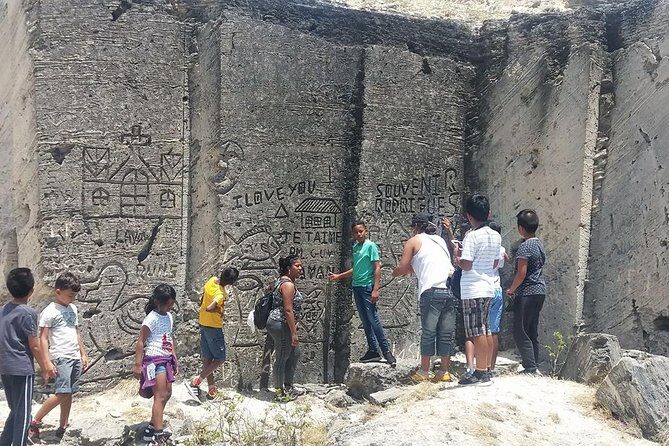
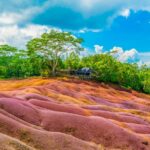
Back above ground, you’ll discover the coral quarry and a field of calcarenites. This is where the tour earns its ORIGINE label—because it’s not just about what Rodrigues looks like. It’s about what Rodrigues is made of, and how that material links to the island’s formation.
I like this stop because it turns abstract geology into something you can point at. Coral quarry features and calcarenites are not “vague science.” They’re physical, visible evidence. Even if you don’t remember the textbook details later, you’ll remember the sight of rock formations and why the guide highlighted them.
If you prefer nature without facts, this is still worth it because it’s taught through the actual landscape. But if geology bores you, you might find yourself wanting fewer explanation moments and more pure scenery.
Mont Pistache Stratum: The Final Geology Note to Tie the Day Together
The day ends with Mont Pistache and its stratum, another geology-focused moment. It’s the kind of stop that works as a closing act. After cave textures, coral-related rock, and island-scale views, you end with one last reminder that Rodrigues’ story is written in layers.
This is also a good moment to ask your guide questions. By now, you’ve heard enough about the island to make your curiosity practical. Guides often love this part because you’re paying attention by then, not just waiting for the final stop.
What You’ll Get Included (and What You’ll Need to Pay For)
The tour includes a lot of the “day cost” that usually adds up: all activities, admission ticket for the 7-hour experience, a professional guide with live commentary, hotel pickup and drop-off, lunch (two courses), bottled water, and bottled water.
Not included: drinks. That’s a simple one, but it’s worth noting because lunch time is when people usually assume water or soda is included. It’s not. If you like coffee, juice, or other drinks with your meal, budget for it.
Getting There, Getting Moving, and What to Wear
You should expect a day that includes walking, outdoor time, and cave terrain. The tour calls for moderate physical fitness. Also, it explicitly isn’t wheelchair accessible. Even if you don’t use a wheelchair, the reality of caves and uneven paths is still the point.
So here’s my practical advice:
- Wear shoes you can trust on cave and outdoor surfaces.
- Bring a light layer if you run cold easily in shaded cave areas.
- Use sun protection early. You’re outdoors in the morning and likely moving around during midday.
Since the day starts at 8:30 am, you’ll want to eat something light before pickup or plan breakfast close to your start time (without overfilling). The lunch arrives later as a two-course meal, so you don’t need a huge breakfast, but you also don’t want to be hungry during the first couple of stops.
Guide Energy: The Difference Between Seeing and Understanding
The reviews you’ll find on this tour tend to praise the guide experience hard, and that matches what the itinerary is built for. A guided day works only if the person leading it can connect dots and keep the flow going.
One guide name that comes up is Mireille, described as passionate and able to create an itinerary that helped people find areas they might not reach on their own. That kind of guide energy matters most on a smaller island like Rodrigues, where the route depends on local knowledge and timing.
Even if you’re not the type to ask lots of questions, a strong guide makes the day feel smoother. You’ll know why you’re stopping, when to look, and what to focus on while the scenery is still in front of you.
Should You Book the Rodrigues ORIGINE Guided Tour?
Book it if you want a first solid overview of Rodrigues that balances culture, history, and real geology. The combination of Port Mathurin, Pointe Canon, Mont Limon’s wide panoramic view, and a cave plus rock stops is hard to copy on your own without local guidance. Add hotel pickup, a two-course lunch, bottled water, and admission covered, and the value looks strong for a full 7-hour day.
Skip or reconsider if:
- you dislike guided walking and cave terrain,
- you want a fully relaxing day with minimal movement,
- you only care about beach time and don’t want stops like St. Gabriel Cathedral or military-history points.
Also, if you’re visiting with dietary needs, request the vegetarian option at booking. That’s one of the easiest ways to make sure lunch matches your plan.
If your idea of a good day is learning where you are while still getting great views, this tour is a strong fit.
FAQ
How long is the Rodrigues Island ORIGINE guided tour?
It runs for about 7 hours.
What is the start time?
The tour starts at 8:30 am.
What does the price include?
The tour price includes hotel pickup and drop-off, a professional guide with live commentary, all activities/admissions, bottled water, and a two-course lunch.
Is lunch included, and are there dietary options?
Yes, there’s an included two-course lunch. A vegetarian option is available if you advise at booking. You can also mention specific dietary requirements when you book.
How big is the group?
The group is capped at 12 travelers, and it requires a minimum of 2 people per booking.
Is the tour wheelchair accessible?
No, it is not wheelchair accessible.
Where do they pick you up and do you get dropped off?
You get hotel pickup and drop-off. The day’s first stop is at the Rodrigues Friendly CAFÉ & Local Tour Operator area.
Are drinks included with lunch?
No. Drinks are not included.
Do I need a certain fitness level?
You should have a moderate physical fitness level since the day includes walking and a cave visit.