REVIEW · MAURITIUS
Exploration dives
Book on Viator →Operated by BLUE WORLD EXPLORER ADVENTURES · Bookable on Viator
Mauritius underwater planning comes with real choices. For scuba certified divers, this short 2-hour outing pairs hotel pickup with options for reefs, colorful fish, and even ancient shipwrecks. The big selling point for me is the small-group feel (max 15), so you’re not just another number.
I also like the way the south-east side is built for variety: volcanic structure means you can expect caves, tunnels, arches, and other rock formations that change the whole feel of a session. One thing to consider: the sea is not always flat because the south-east trade winds can kick up a choppier boat ride, even when the water below stays clear.
The water conditions can be a major plus here. You get very clear visibility (there aren’t nearby rivers muddying things), and the team focuses on comfort by fitting and adjusting your equipment only once you reach the site. If you’re the type who hates hauling heavy gear around, you’ll appreciate that rhythm.
In This Review
- Key highlights worth matching to your diving style
- South-east Mauritius changes the whole underwater game
- What the 2-hour plan looks like, minute by minute
- Choosing your underwater focus: reefs, fish, and shipwreck options
- Safety and comfort: why the equipment timing matters
- Sea conditions and visibility: the real Mauritius reality
- Gear, briefing, and what you should ask before booking
- Price and value: what $65 buys you in real terms
- Who this suits best (and who should think twice)
- Should you book this Mauritius scuba exploration session?
- FAQ
- Do I need to be a certified scuba diver to join?
- How long does the experience take?
- Is there a maximum group size?
- Is hotel pickup offered?
- What kind of underwater sites can I choose?
- How long will I be in the water?
- Does the operator provide a briefing and safety checks?
- Is the equipment used during the experience?
- Does weather affect the experience?
- What is the cancellation window?
Key highlights worth matching to your diving style
- Max 15 people in the group means more attention during briefing and in the water
- South-east volcanic coast: caves, tunnels, and arches that add lots of visual variety
- Clear visibility helped by low river runoff around the sites
- Equipment goes on at the site, so you avoid the heavy carry before you arrive
- About 45 minutes or more underwater, plus a proper debrief and gear cleaning afterward
- Site changes with conditions when needed, using their network of locations
South-east Mauritius changes the whole underwater game
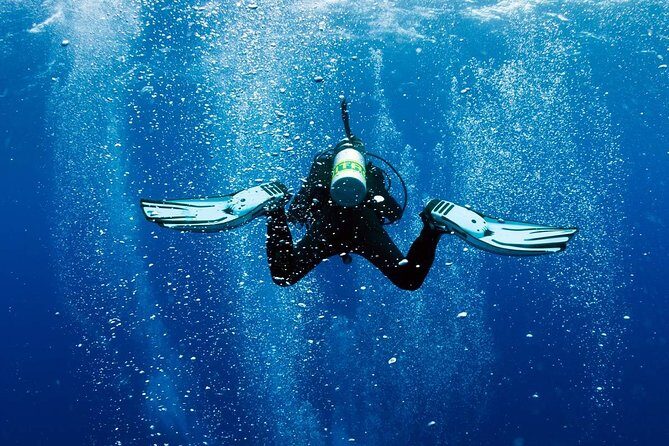
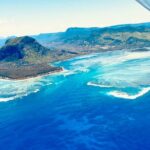
If you picture Mauritius as one standard reef-and-fish stop, this is where your mental map should update. The south-east coast is described as more volcanic in structure, and that matters underwater. Volcanic rock shapes tend to create more ways to move through space—think caves, tunnels, and arches—so you’re not only swimming over the same kind of bottom.
You’ll also hear two practical explanations for why people enjoy this area. First, the visibility is usually very clear because there aren’t rivers nearby dumping sediment into the water. Second, even when the surface is choppy from trade winds, the underwater conditions are described as still nice and clear. That combination—surface roughness that doesn’t always ruin the viewing—is exactly what you want to hear before you commit.
The team also frames the differences between sides of the island as real, not marketing. Each area can show you different underwater life and different shapes of terrain, so if you come from one kind of warm-water scuba routine, this helps you see the variety Mauritius offers.
You can also read our reviews of more tours and experiences in Mauritius.


What the 2-hour plan looks like, minute by minute
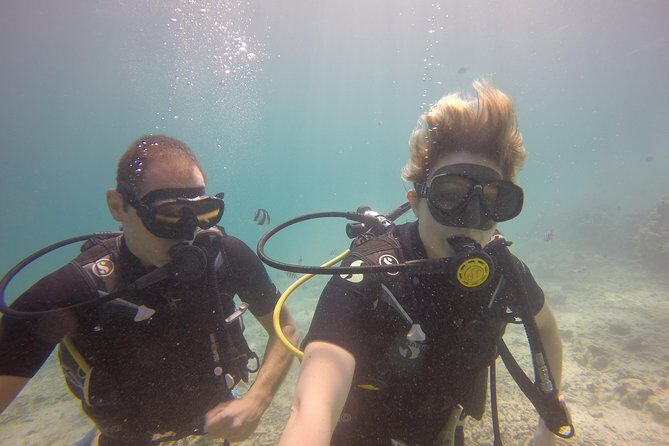
This experience is built to be short and efficient, and that’s part of the value. Here’s the flow you should expect:
You start with pickup offered from select hotels. Then you head to the site by boat day plan (there’s a boat portion, plus the drive there and back). The schedule is designed around getting you ready at the right time, not dragging you through early gear work.
Once you reach the site, there’s equipment donning and adjustment. That’s followed by a proper briefing covering what you’ll see and how the session will run. Then comes the main part: a session with exploration and fun time lasting 45 minutes or plus. After you’re done in the water, you take the boat back, then return by drive.
Finally, there’s a debrief and equipment cleaning. Even though it’s a shorter outing, they’re still treating it as a full cycle: prep, underwater time, then wrap-up. For many people, that’s the difference between a smooth day and a stressful one.
Choosing your underwater focus: reefs, fish, and shipwreck options
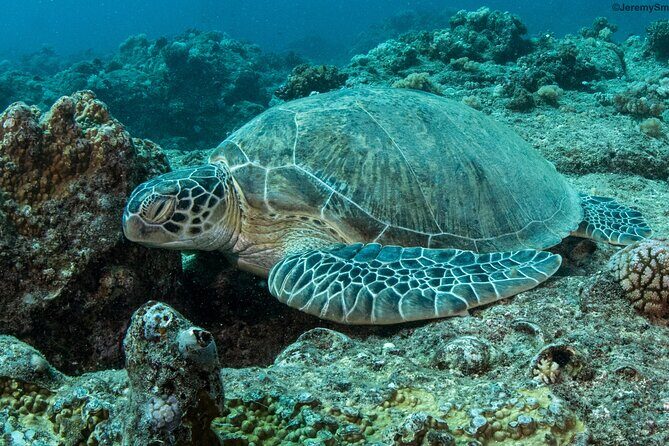
The package is flexible, and that’s important if your goal isn’t just “see something cool.” As a scuba certified diver, you can choose a dive package that fits what you’re after—reef ecosystems and colorful fish are the obvious draw, but the option for ancient shipwrecks is what gives this experience extra weight.
From a practical standpoint, that choice lets you match your energy level and comfort. If you’re in “easy sightseeing” mode, you can aim for reef ecosystems and marine life. If you’re chasing a more dramatic underwater scene, the shipwreck option can deliver that without needing a multi-day trip.
You should also know the area’s terrain affects the feel of the session. The volcanic south-east features like caves, tunnels, and arches are visually specific, and that tends to slow you down in a good way. You’ll spend time looking instead of only moving. If you enjoy being in a space where the rock creates new angles, this style suits you.
A quick note on variety: one person referenced spots like Cathedral and Aquarium as part of their experience, and also mentioned that underwater vegetation may be damaged in certain areas. That doesn’t mean every outing will be the same, but it’s a reminder to ask what the plan is for your specific day and what conditions are like at the selected sites.
Safety and comfort: why the equipment timing matters
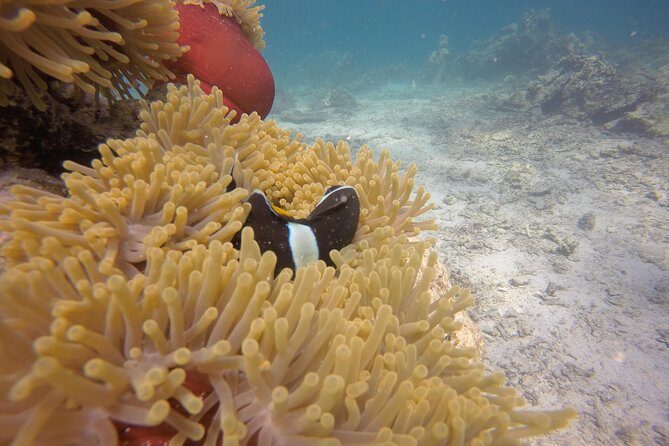
I like operators who treat safety as a sequence, not a slogan. Here, the team uses a clear safety rhythm: proper briefing, safety checks by the instructors, and equipment fitting when you arrive at the site—so you don’t stay carrying heavy gear longer than necessary.
That equipment timing is more than a convenience. Heavy gear on your back for too long can drain energy before you even get in the water. By fitting later, you arrive feeling fresher, which helps you follow instructions more easily and stay relaxed. It’s one of those small operational choices that tends to show up in how your whole day feels.
Instructors are also described as focused on both safety and making sure you enjoy the time underwater. That’s a good sign if you’re nervous at first or if you’ve been away from scuba recently. You don’t need your first minutes in water to turn into a gear or instruction scramble.
On the human side, the dive center network seems well organized with staff in different locations. People have specifically mentioned Aurélie and Paul working at the Laguna Hotel (Camp des Pêcheurs) area, and Sasha leading and teaching with a calm, capable tone. Names like that matter because they suggest consistency and follow-through, not just one person who is good on paper.
Sea conditions and visibility: the real Mauritius reality
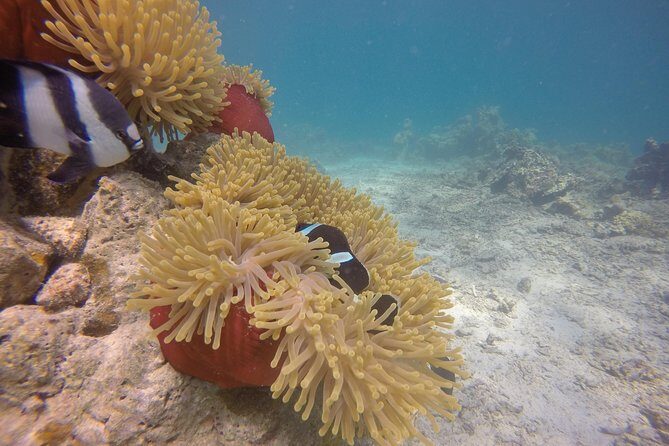
Let’s be honest about what can change your comfort level: the surface. The trade winds on the south-east side can mean sea conditions are not always flat. If you’ve got motion sensitivity, the boat ride is the part you’ll want to think about.
The good news is what’s stated about underwater conditions. Even when the top is rougher, the water below is described as always nice and clear to explore. If you’re the type who worries that choppy weather means you’ll end up looking at foggy water, this helps settle that worry.
Another weather-related plus: there’s an emphasis that the experience requires good weather, and if it’s canceled due to poor conditions, you’re offered a different date or a full refund. Also, the operator can shift your plan when conditions aren’t ideal—one person described moving from Mahébourg to Flic en Flac because of wind and rougher seas. That kind of flexibility tends to protect your actual water time.


Gear, briefing, and what you should ask before booking
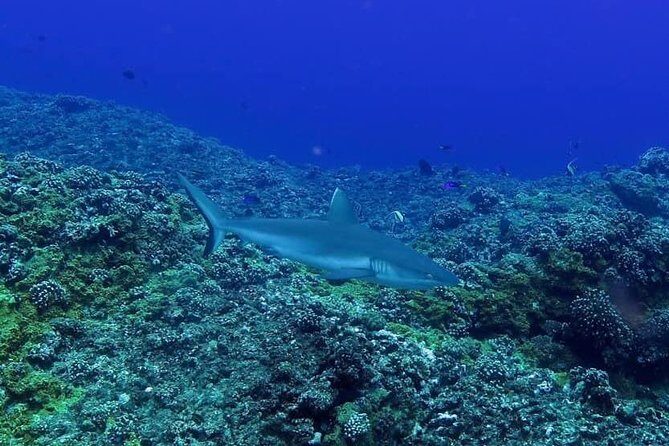
Even with a great operator, you’ll get a better day if you confirm the basics ahead of time. From what’s described, equipment handling is included: there’s equipment donning and adjustment, plus equipment cleaning afterward.
That said, the one negative note in the overall feedback is tied to communication, safety perception, and pricing feeling high for some extras. The response from the provider points to details being explained and mentions an extra charge (an example of a small additional cost). I can’t judge the dispute, but I can tell you what to do: before you go, ask what your price covers and whether there are any potential add-ons on the day.
Also, because you’re choosing among underwater focuses, ask what package corresponds to the kind of experience you want—reef and fish versus shipwreck versus volcanic rock features. Clarity up front helps you avoid the common frustration of expecting one style and getting another.
Price and value: what $65 buys you in real terms
At $65 per person for an outing of about 2 hours, the price isn’t just about time. You’re paying for a full safety-and-service package: pickup and drop-off from select hotels, small-group attention (max 15), briefing, equipment adjustment, an extended underwater session of 45 minutes or more, plus debrief and gear cleaning.
That small-group size is a big part of value. If you prefer not to compete for attention, a cap like this often results in smoother navigation and more time for questions. It can also make instructors’ safety checks feel more personal, which matters when conditions shift.
As for timing, the experience is commonly booked around 12 days in advance on average. That’s a hint that you should lock in your slot sooner if you’re traveling in peak season or trying to match a specific weather window. Scuba in Mauritius is weather-dependent, and waiting too long can shrink your options.
Price also becomes more meaningful when you treat it as an all-in service for a certified diver. If you’re already an independent diver with your own setup, you might wonder why pay extra. But the point here is that the operator handles site selection and run-of-day logistics so you can focus on the underwater experience.
Who this suits best (and who should think twice)
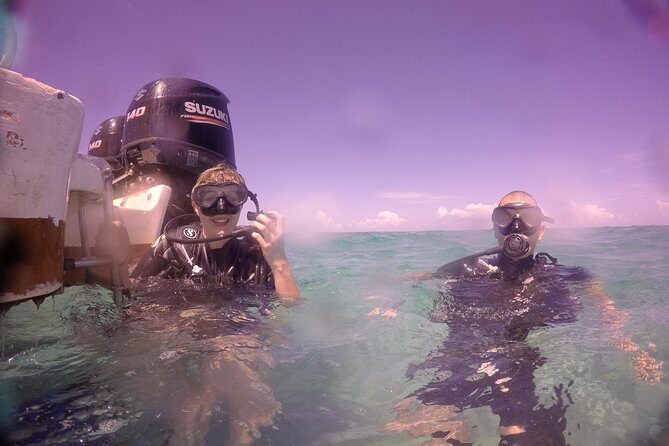
This experience fits best if:
- You’re scuba certified and want a guided plan with a clear briefing.
- You enjoy variety and want the south-east terrain with caves, tunnels, and arches.
- You want a short day that still includes a meaningful underwater session.
It’s a less perfect fit if:
- You’re very sensitive to boat motion, since the surface can be rough even when underwater conditions are said to stay clear.
- You expect zero possibility of extra costs or prefer an ultra-structured schedule with no day-of adjustments. Since weather can require site changes, it’s wise to be flexible.
Should you book this Mauritius scuba exploration session?
My take: book it if you want a guided, efficient outing with a small-group feel and south-east underwater variety. The clearest reasons to go are clear water conditions, a focus on safety through briefings and equipment timing, and the chance to choose between reef life, colorful fish, and even ancient shipwrecks.
Before you commit, do one quick homework step: confirm what your package includes and whether any add-ons might apply. That one negative note about communication and extra charges is enough to justify a simple question now rather than a stressful moment later.
If you’re flexible with weather and you’re aiming for an experience that balances fun with organized instruction, this is the kind of short Mauritius session that can make your whole trip feel more complete.
FAQ
Do I need to be a certified scuba diver to join?
Yes. This experience is for scuba certified divers, and it’s designed around certified-diver underwater exploration.
How long does the experience take?
It’s about 2 hours (approx.), including pickup, the boat portion, the underwater session, and return drive back plus debrief and equipment cleaning.
Is there a maximum group size?
Yes. The tour/activity has a maximum of 15 travelers.
Is hotel pickup offered?
Yes. Pickup and drop-off are offered from select hotels.
What kind of underwater sites can I choose?
You can choose a diving package that fits your interests, including reef ecosystems and colorful fish, and there are also options to explore ancient shipwrecks. The south-east side is described as having volcanic structure and features like caves, tunnels, and arches.
How long will I be in the water?
The plan includes exploration and fun time underwater for about 45 minutes or plus.
Does the operator provide a briefing and safety checks?
Yes. There is a proper briefing about the dives and sites, and instructors ascertain that safety comes first so you can enjoy the fun time underwater.
Is the equipment used during the experience?
Yes. Equipment donning and adjustment are part of the plan, and equipment cleaning happens after the session.
Does weather affect the experience?
Yes. The experience requires good weather. If it’s canceled due to poor weather, you’ll be offered a different date or a full refund.
What is the cancellation window?
You can cancel for free up to 24 hours in advance for a full refund.