REVIEW · LE MORNE
Mauritius: Le Morne: Intimate Hike Away from the Crowd
Book on GetYourGuide →Operated by Mauritius My Paradise · Bookable on GetYourGuide
Le Morne feels like a secret sunrise. An intimate 2–6 person hike up Le Morne Brabant with Vanessa gets you to big 360-degree views without the chaotic lines. I love that the group stays small, so the pace feels personal from the first steps at Wapalapam Island Eatery onward.
I like two things a lot: the small, private-group feel (no trekking with dozens of strangers) and the photo payoff—more than 50 action shots of your climb plus a healthy snack to keep you going. Vanessa also runs the hike with real safety focus, not just vibes.
One drawback: the climb is intermediate and includes a steep rocky scramble where you’ll use hands and three points of contact. If you’re afraid of heights or have balance/medical limits, read the suitability list carefully before booking.
In This Review
- Key highlights worth waking up for
- Why this Le Morne hike feels different from the usual tours
- Where you start: Wapalapam Island Eatery and the best post-hike plan
- The 4-hour schedule: what happens from start to finish
- The steep parts: how the scramble works (and why you should not wing it)
- The views: what makes Le Morne worth the effort
- Vanessa’s guiding style: safety first, but also personal
- The photo bonus: more than pretty pictures
- Difficulty and who should book it
- What to bring (and the stuff you must not bring)
- Morning vs afternoon: choosing the right departure for your energy
- Price and value: is $88 a fair deal?
- Extra local touches you’ll appreciate more than you expect
- Should you book this Le Morne hike with Vanessa?
- FAQ
- How long is the hike?
- How big is the group?
- Do they offer morning and afternoon starts?
- What is the difficulty level?
- Where do the hike and meeting start?
- What should I bring?
- What’s not allowed during the hike?
- Is the summit stay long?
- What if the weather is bad?
- What languages is the guide available in?
Key highlights worth waking up for
- Small-group max 2–6 so you can actually hear instructions and keep your pace
- Sunrise or afternoon options for different light and crowd levels
- Steep scramble with clear safety technique: hands and three points of contact
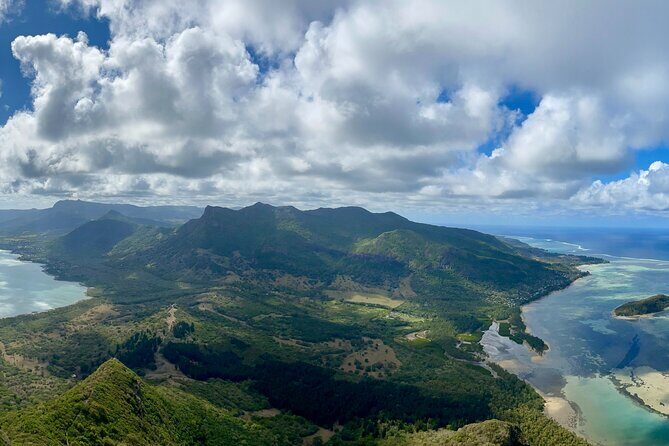
- 360-degree panoramic views from a summit at 493 m
- More than 50 action photos so you don’t spend the whole climb behind your phone
- Vanessa’s physiotherapy background and patient coaching for mindful, step-by-step hiking
Why this Le Morne hike feels different from the usual tours
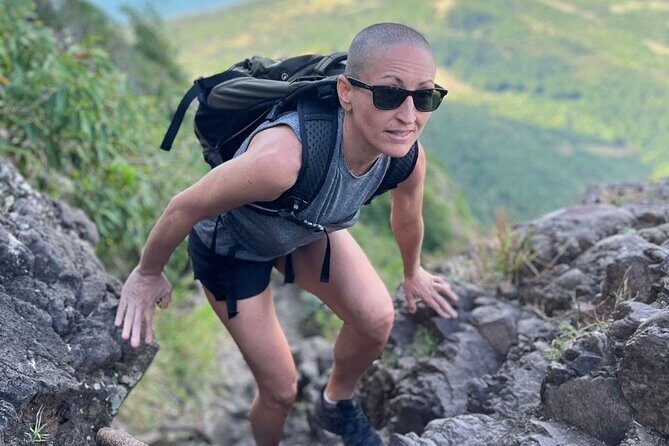
Le Morne is one of those places where you can see why people talk about Mauritius as more than beach time. This hike gives you the mountain side of the island: big views, salty air, and a trail that actually asks you to climb—not just walk in a straight line.
What makes it feel special is the size and the guide. With a max of 6, Vanessa can slow down for you, spot issues early, and keep the route feeling simple even when it gets steep. The result is a hike that feels focused, not rushed.
Also, the timing matters. Book sunrise and you’re stacking the odds for a calmer summit. Book afternoon and you still get the full climb, but you’ll likely feel the warmer temps more. Either way, you’re avoiding the usual crowd crush by keeping the group small and aiming for the less chaotic moments.
You can also read our reviews of more hiking tours in Le Morne

Where you start: Wapalapam Island Eatery and the best post-hike plan
Your meeting point is right at the front of Wapalapam Restaurant, just before the roundabout on your left heading toward Le Morne public beach. It’s a practical start: you can grab breakfast before the climb and you’ll already be in the right area afterward.
That matters because Le Morne hikes are an early-to-mid day commitment. When you finish, you don’t want a complicated scavenger hunt for food or a long detour to get your bearings. This start location makes the day feel clean and efficient.
If you want to make the whole day smoother, plan your clothes and water the night before. You’ll thank yourself when it’s pre-sunrise or you’re heading out in the heat.
The 4-hour schedule: what happens from start to finish
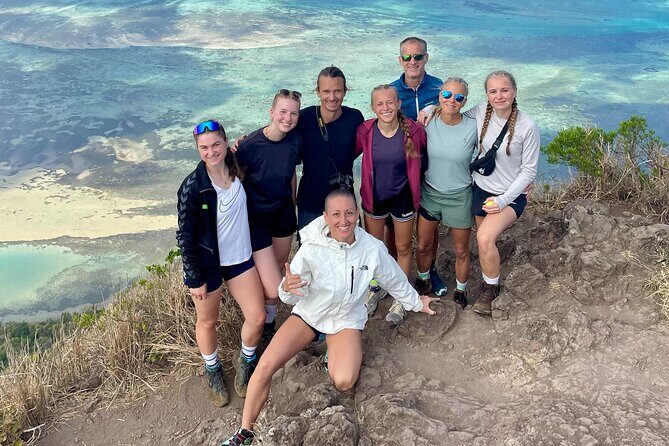
The total duration is about 4 hours. The hike itself usually breaks into ascent, a short summit pause, and a descent with educational stops along the way.
Here’s the rhythm you’ll feel:
Ascent (about 1.5 to 2 hours)
You’ll start with a steady climb, built to get your heart rate up without panic. There are multiple rest stops so you can reset, sip water, and keep your footing calm.
- Section 1: cardio-focused climb
You’ll work up to about 260 meters above sea level. Expect a moderate gradient where good shoe grip is everything.
- Section 2: the scramble (69 m)
This is the more technical bit. You’ll scramble over a rocky section using hands and feet, with a three-points-of-contact approach for safety.
Then you continue with a steady ascent until you reach the top at 493 meters.
Summit (about 20 minutes)
You’re not dragged up and rushed off. There’s time to sit, breathe, and take in the panoramic view. Sunrise climbs are famous here because the lighting turns the coast and ocean into a shifting mix of blues and highlights.
Descent (about 1.5 hours)
The descent is a long-but-manageable way down with regular stops. The guide shares nature and local details—especially about exotic and endemic species—so you’re not just watching your feet the whole time.
Overall, you’ll be moving for roughly half the time up, half the time down, with a short, meaningful top break.
The steep parts: how the scramble works (and why you should not wing it)
This trek includes an intermediate section where you may need your hands. The good news: you’re not left guessing.
The scramble is about 69 meters and uses a three-points-of-contact method. That means you stay stable by always planting two hands/feet plus one other point, rather than doing the classic human move of reaching too far and hoping gravity is kind.
If you’re worried about heights, know this: the hike is listed as not suitable if you have vertigo or strong fear of heights. Even if you’re mentally tough, your body may tense up on steep exposure and rocky footing.
My practical advice: go in with a calm plan. Short steps, focus on where your hands go, and treat each rest stop as a checkpoint. If you keep your attention on technique, the climb stops feeling like a scary movie and starts feeling like a series of solvable moves.
The views: what makes Le Morne worth the effort
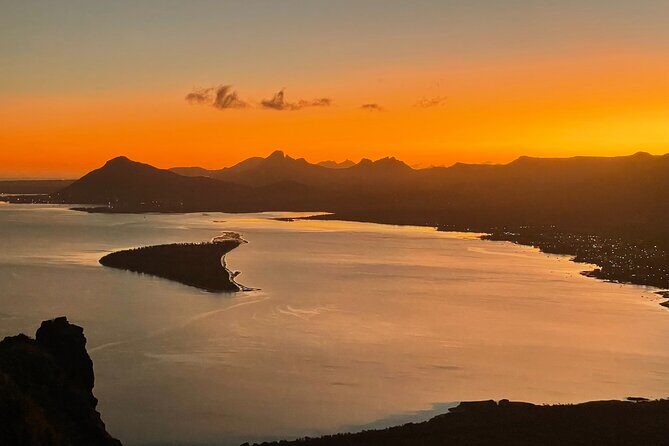
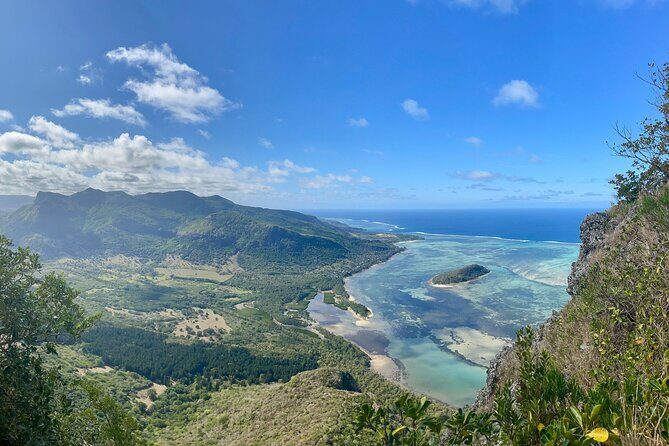
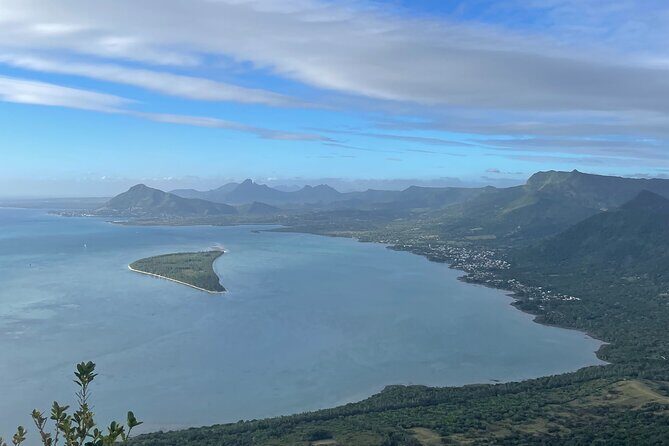
At the summit, you get an unmistakable “you did it” moment. You’re looking across Mauritius from high ground—often with a 360-degree view effect when weather cooperates.
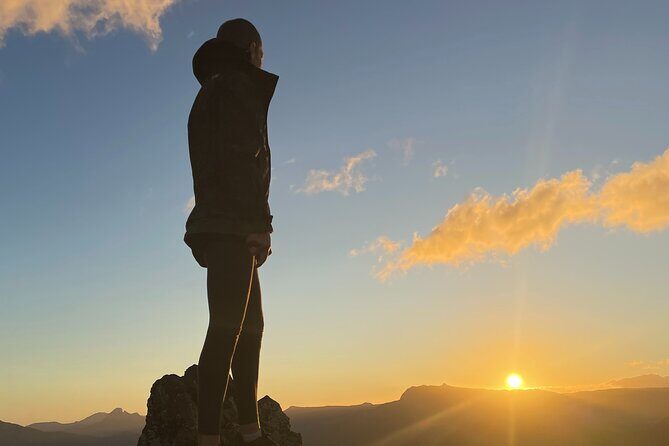
For sunrise departures, the timing can be a big part of the magic. You’ll start earlier so the sun rises over the island as you earn your top spot. People often describe the feeling as quiet and spacious when they reach the summit early—because you’re not arriving after a wave of walkers has already taken over.
For afternoon hikes, you still get the summit views, but plan for warmer conditions depending on the day. The trail can feel more effortful later when temperatures climb and you’re already carrying hydration and clothing.
Either way, the hike isn’t just about photos. It’s about earning a viewpoint that makes the island feel large and alive.


Vanessa’s guiding style: safety first, but also personal
Vanessa is a big reason this hike works for people who aren’t hardcore hikers. She steps you through the climb and checks in so you don’t get stuck in the wrong rhythm.
A standout detail is her background: she has a BSc in Physiotherapy and long experience in holistic well-being. That shows up in the way she paces the hike and looks out for your physical comfort. It’s not overbearing, but it’s structured.
You’ll also learn things as you go. Along the descent, you get stops focused on the area’s exotic and endemic species, plus history and nature context that adds meaning to the effort. And since the group is small, the guide can answer questions instead of delivering a one-size-fits-all lecture.
That also explains why many people rave about her patience. When you’re not a regular mountain person, having someone who corrects your steps and reassures you is the difference between a stressful climb and a confident one.
The photo bonus: more than pretty pictures
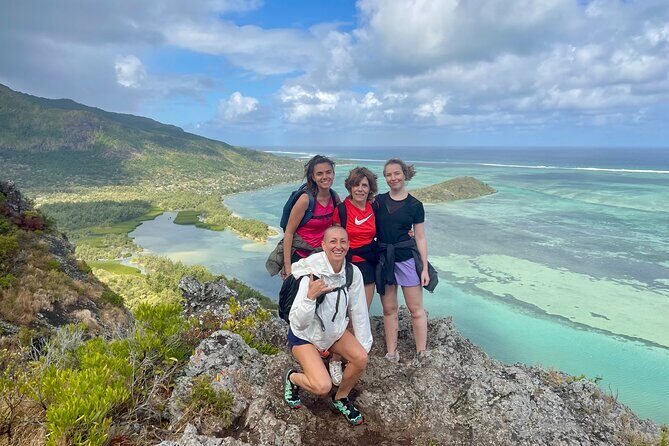
This experience includes memorable photos—over 50+ action shots of your hike. It’s a real value-add because you won’t constantly stop to pose or wrestle with your phone while climbing.
It also helps with safety and focus. When you’re not worrying about filming every awkward moment, you’ll hike better. And later, you’ll have visual proof of the scramble section and the summit moment, without needing to recreate them yourself.
If you care about keepsakes, this is one of the cleaner ways to get them on a hike like Le Morne: you get action shots plus the wide summit viewpoint.
Difficulty and who should book it
Difficulty is listed as intermediate. You should expect steep sections that require hands for safe ascent. Even though the hike isn’t a technical climbing route, it’s still a hike where balance and footing matter.
This tour is not suitable if you fall into any of these categories:
- children under 7
- pregnant women
- people with back problems, heart problems, respiratory issues
- people with mobility impairments or wheelchair users
- people afraid of heights, with vertigo, or with altitude sickness
- people who are visually impaired
- people without experience, with low fitness, or with recent surgeries
- people with motion sickness
If you’re on the fence, compare your comfort with this reality: you’ll be using hands on a rocky scramble. If that makes you panic, you’re better off choosing a different hike that doesn’t require exposure handling.
On the flip side, if you can walk actively for a couple of hours and you’re okay using your hands for a short technical-feeling section, this is a fantastic “reach a summit” experience without needing advanced trekking skills.
What to bring (and the stuff you must not bring)
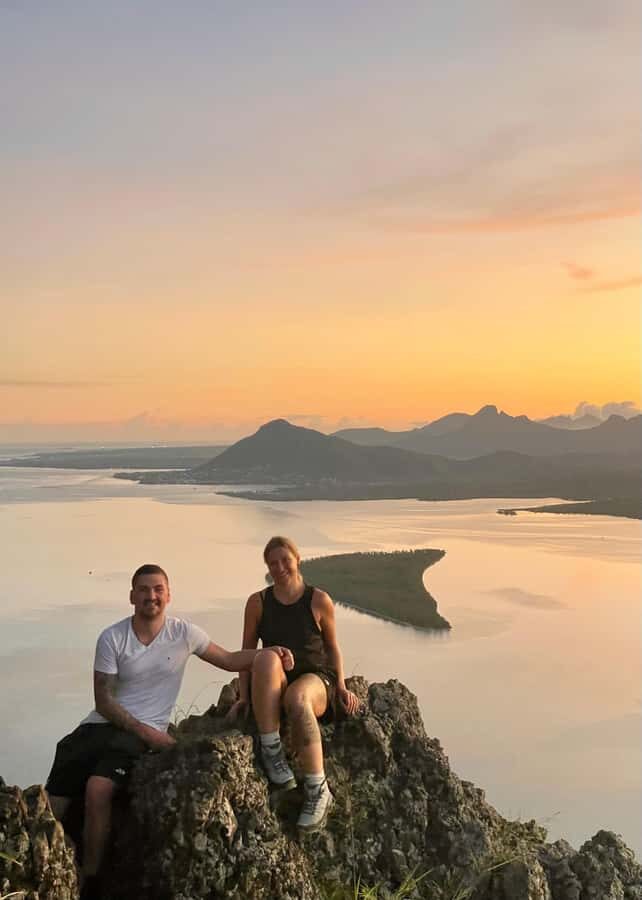
You’ll want proper grip and light clothing. The hike rules are strict because steep sections are no place for distractions or risky footwear.
Bring:
- a good pair of comfortable shoes with grip
- 1.5L of water
- light-colored, comfortable hiking clothes
- sunscreen and closed-toe coverage
Not allowed:
- sandals or flip-flops
- open-toed shoes or bare feet
- headphones
- smoking
- alcohol and drugs
- littering
Also note: the activity may be postponed due to adverse weather. In the hills, that’s normal. If it’s wet or windy, footing can change fast, so trust the decision.
Morning vs afternoon: choosing the right departure for your energy
Both morning and afternoon options exist, and your choice changes the vibe.
Morning (especially sunrise)
You’re rewarded with cooler temperatures and the rising sun over the island. You’ll likely arrive at the summit with more calm than later groups. If you want that quiet top feeling and crisp light, go early.
Afternoon
The trail can start easier if the first sections are shaded, then get steeper and warmer as the day moves on. Afternoon works if you sleep in and you want a more flexible day schedule, but be ready for heat and a later lighting shift.
If you’re anxious about heights, morning can help because you’re less likely to feel overheated and shaky on steep moves.
Price and value: is $88 a fair deal?
At $88 per person for about 4 hours, this hike isn’t trying to be a cheap bus tour. The value comes from the combination of things you actually feel on the mountain:
- Small group (2–6) so you’re guided closely
- Professional, specialized instruction geared toward safe scrambling
- Action photos (50+ images) so you don’t need to do everything yourself
- a healthy snack, which helps when you’re working hard for a summit
In plain terms: you’re paying for safety, coaching, and “memories without chaos.” For people who don’t want to figure out routefinding on steep rock, having Vanessa guide you is not just convenient—it reduces stress.
If you do love hiking, you may wonder why a guide matters. The answer here is that you’re not just walking. You’re scrambling, and technique matters. A good guide turns risk into doable.
Extra local touches you’ll appreciate more than you expect
It’s easy to think you’ll only care about the summit view. But the guide’s habit is to stop and explain what you’re seeing—especially the unique flora and endemic species.
That turns the descent into something useful. You’re still moving carefully, but you’re also learning. It makes the hike feel more connected to Mauritius rather than just a workout.
And Vanessa’s interactions tend to be personal. Since the group stays small, she can adapt to your pace, and you’ll feel less like you’re being herded.
Should you book this Le Morne hike with Vanessa?
Book it if you:
- want a small-group summit climb without crowd pressure
- are okay with an intermediate hike and using hands on a short scramble
- care about safety guidance and would enjoy learning about the area’s nature and local context
- want sunrise views and action photos without spending your whole hike behind a phone
Skip it (or choose a different option) if you:
- are afraid of heights, have vertigo, or get altitude-related symptoms
- have medical conditions listed as not suitable
- can’t handle uneven rocky footing or the idea of using hands for stability
If you match the hiking profile, this is one of the better ways to do Le Morne: focused, guided, and quietly memorable.
FAQ
How long is the hike?
The total experience is about 4 hours.
How big is the group?
The group is limited to a small size, with a maximum of 6 participants.
Do they offer morning and afternoon starts?
Yes. You can choose either a morning or an afternoon option.
What is the difficulty level?
The hike is rated intermediate. Some steep sections require using your hands for safe ascent.
Where do the hike and meeting start?
You meet at the front of Wapalapam Restaurant, just before the roundabout on your left heading to Le Morne public beach.
What should I bring?
Bring comfortable shoes with grip, closed-toe hiking clothes, sunscreen, and 1.5L of water.
What’s not allowed during the hike?
Sandals or flip-flops, open-toed shoes, bare feet, headphones, smoking, alcohol and drugs, and littering are not allowed.
Is the summit stay long?
You spend about 20 minutes at the top to absorb the panoramic views.
What if the weather is bad?
The activity may be postponed due to adverse weather conditions.
What languages is the guide available in?
The live tour guide speaks English and French.
If you want, tell me your travel dates and whether you’re leaning sunrise or afternoon, and I’ll help you pick the smarter timing based on how you like to travel (early start vs relaxed day).