REVIEW · LE MORNE
Le Morne Brabant: UNESCO Mountain Hike & Local Guides
Book on GetYourGuide →Operated by Local Spirit Ltd. · Bookable on GetYourGuide
Le Morne Brabant is one of Mauritius’ most dramatic hikes. Doing it with village guides from Le Morne changes the whole feel of the mountain, because you’re walking with people who know the trails, plants, and stories firsthand. I especially love the mix of history + nature and the way the guides make the steeper sections feel manageable. The only drawback to flag: the hike can get tricky on the last part, so you’ll want solid shoes and a steady head if you don’t like exposure.
This is also one of the best value ways to see why Le Morne is a UNESCO site. You’re not just chasing a view; you’re following the Le Morne Slave Route under the care of EFR/WFA certified guides who are officially licensed by the Mauritius Tourism Authority. The pace is flexible, and the good news is you can take just the first half if you want something lighter.
In practice, that means you’ll start easy, then gradually earn the big panoramas—turquoise lagoon, coastline, and the steep walls of Le Morne—while your guide points out plants and explains what they used to use them for. If you have back problems, limited mobility, or low fitness, this one may feel like work you didn’t bargain for.
In This Review
- Quick hits before you go
- Why Le Morne Brabant matters more than the postcard view
- Meeting at Le Morne Kitesurfing Beach: how not to get lost
- The first climb: gentle start on the Slave Route
- The real work: climbing to summit views with authorized access
- Plants, medicinal wisdom, and stories you actually remember
- Safety and pacing: why you feel guided, not herded
- Price and value: is $59 worth it?
- What to bring: small items that prevent big annoyances
- Who should book this Le Morne Brabant hike
- Should you book Le Morne Brabant with Local Spirit?
- FAQ
- Is this hike guided?
- Do I get access to the upper section of Le Morne?
- What meeting point should I use?
- Do I need to be very fit?
- Can I do only part of the hike?
- Is hotel pickup included?
- What should I bring?
- What if I need to cancel?
Quick hits before you go
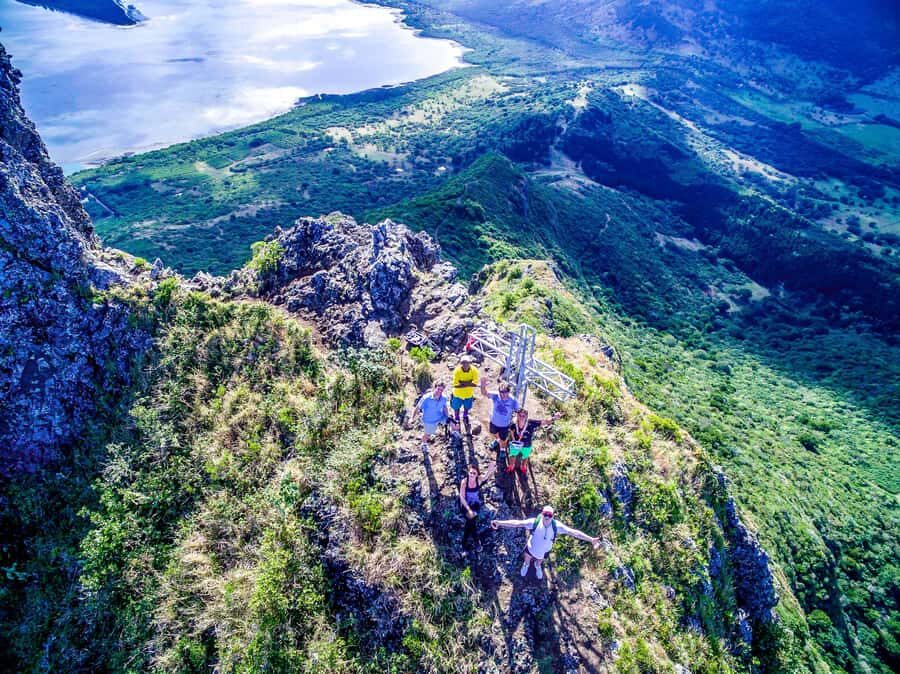
- Village-based guides from Le Morne: people who live with the mountain, not people who just visit it.
- UNESCO Slave Route hike: history is built into the trail, not tacked on at the end.
- Certified safety team support: EFR/WFA certified guides with proper licensing.
- Access to an authorized second section: that upper terrain is only reachable with authorized guides.
- Last stretch can be rocky: plan for uneven footing and some climbing-like steps.
- Bring extra water: a few reviews call out how quickly you can run low in the sun.
Why Le Morne Brabant matters more than the postcard view
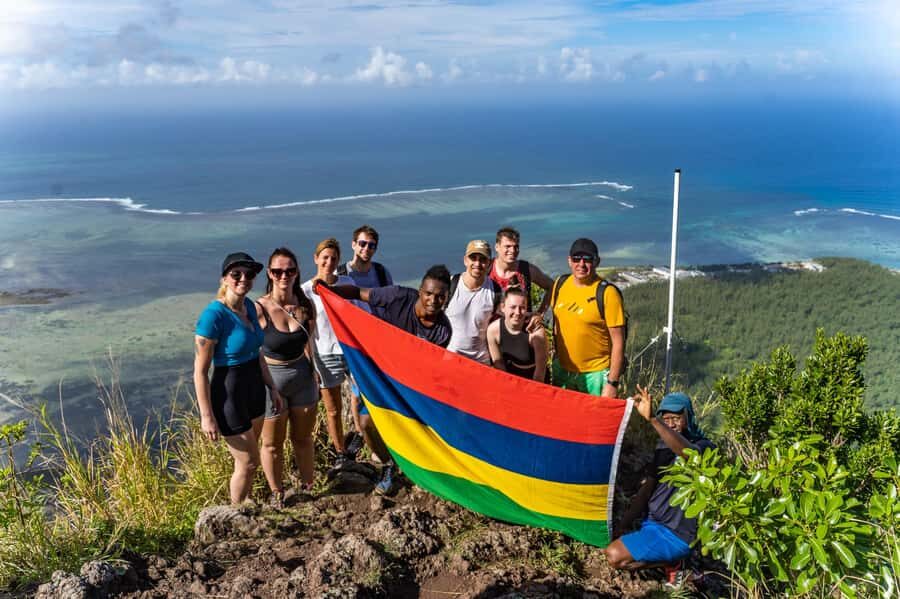
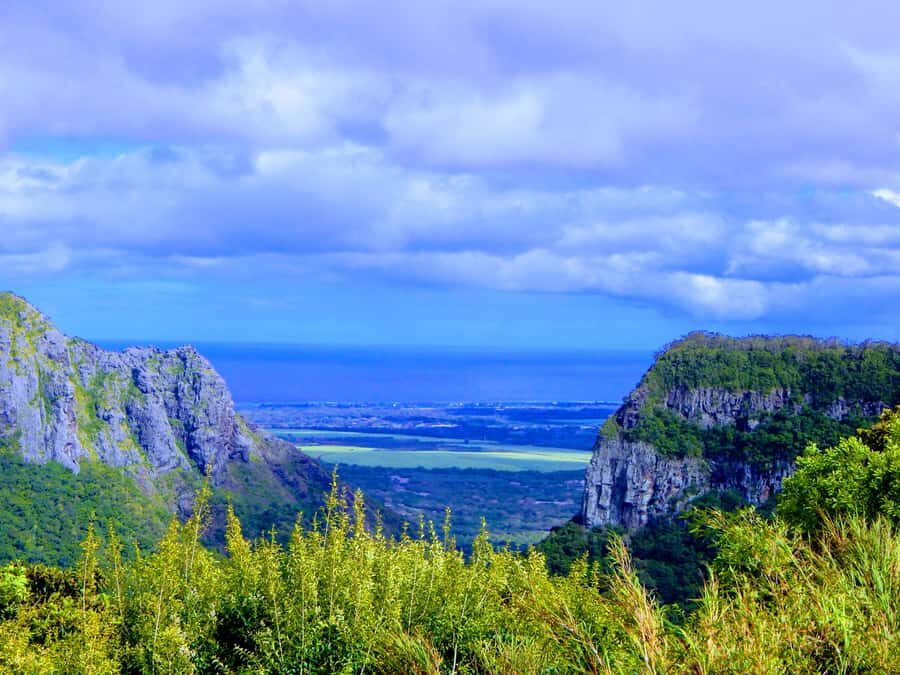
Le Morne Brabant is famous for a reason. The mountain rises sharply above the lagoon, and from the trails you get sweeping views that make you understand why this place is iconic—visually and culturally.
But the real reason I’d prioritize this hike is that Le Morne is tied to identity and survival, not just scenery. The guides talk about the mountain as a symbol of freedom, and you feel that weight when you’re walking the routes that locals connect to history. You’ll also hear plant stories that turn the hike into something more than exercise.
If you want a beach day plus one meaningful land experience, this fits well. The hike stays focused: you’ll climb, learn, pause for views, and finish where you started.
You can also read our reviews of more hiking tours in Le Morne

Meeting at Le Morne Kitesurfing Beach: how not to get lost
The meeting point is Le Morne Kitesurfing Beach. The drive-in instructions are detailed, and I’m glad they are—this area has roads that look similar, and it’s easy to end up past the village if you’re not paying attention.
Here’s the practical way to handle it: when you turn off the main road (B9) at the bus stop, take the Le Morne road toward Le Morne public beach and do not keep going until you reach the village of Le Morne. Follow Le Morne Road about 1 km, then watch for the left curve after the hotel Le Paradis. When you reach the public beach road, continue about 200 metres until you see the big sign Haras du Morne. Turn onto the unpaved road opposite that sign, keep right as the road heads toward the lagoon, and park under the trees near the kitesurfing beach.
When you arrive, wait there; the guide wears a Local Spirit t-shirt. That’s a small detail, but it saves time because you won’t be guessing who’s with which group.
The first climb: gentle start on the Slave Route
Most days begin with a trail that feels like a warm-up—winding, scenic, and never instantly punishing. You’ll follow the path up from the base of Le Morne and reach a first platform with big views.
This part is your best moment to breathe and settle in. The terrain is varied enough to feel like a hike, but the guide keeps it “start-friendly” so you can find your rhythm. I like this design because it prevents the classic problem: people go too hard too early, then struggle later.
Along the way, the guides bring the mountain to life. You’ll get stories about how locals interpret the environment—what they look for, how they understand the seasons, and which plants matter. That’s where the experience starts to feel different from a generic sightseeing walk.
One helpful tip: wear proper hiking shoes from the start, not flip-flops and not soft trainers. Reviews include accounts of people having footwear issues on rocky sections, and your feet will thank you for choosing grip and support early.
The real work: climbing to summit views with authorized access
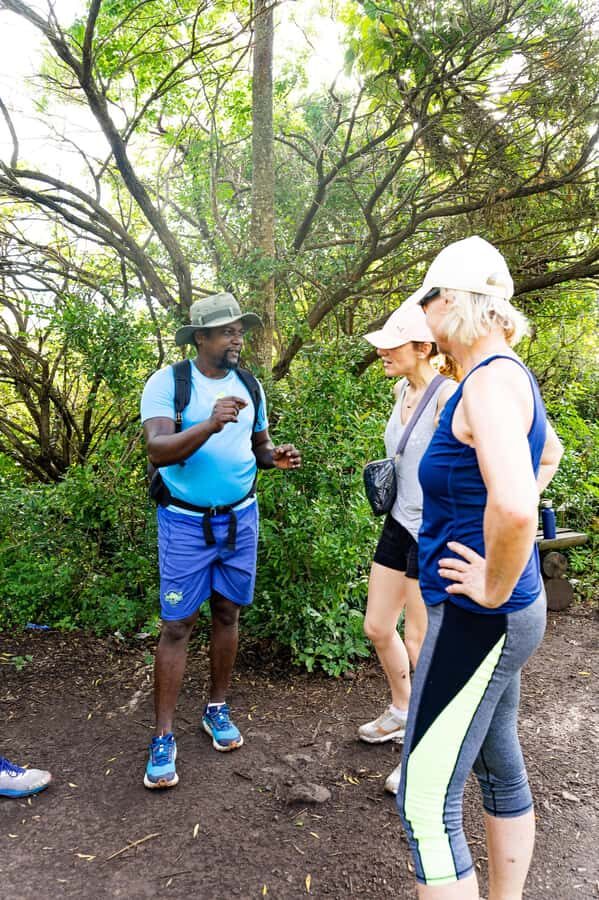
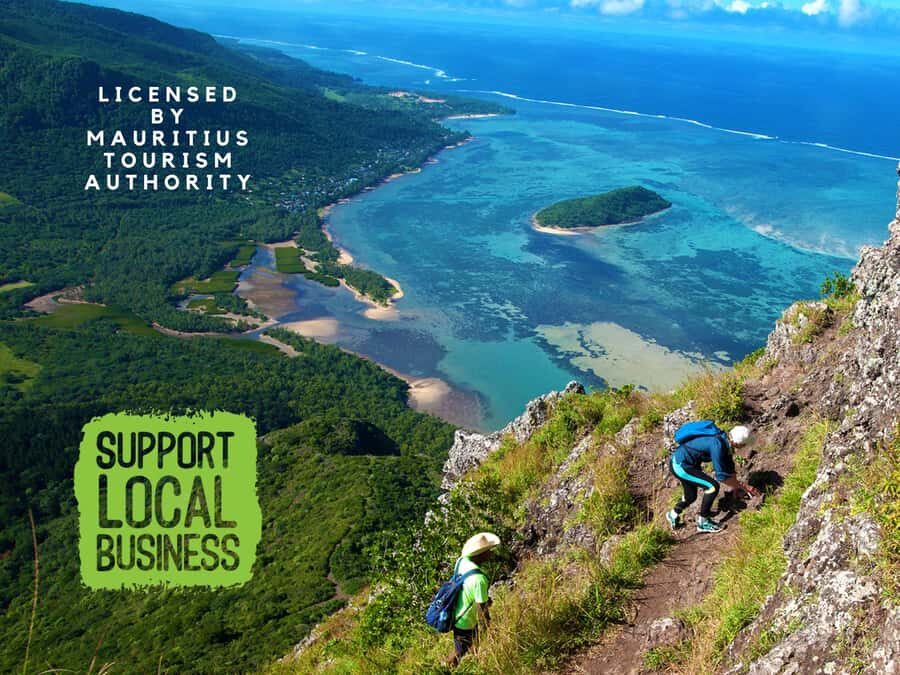
As you climb higher, the trail becomes more adventurous. The second stretch includes moderate climbing over rocky terrain, and the guide’s job is to help you place feet safely and choose the easiest line through the difficult spots.
This is also where the “flexible experience” matters. If you want a lighter day, you can complete just the first half. Some days also run with conditions where the upper segment may not be available, but the point remains: you’ll still get meaningful climbing and views even if the full authorized second section doesn’t happen.
When you’re on the last part, expect a bigger step-up. Multiple reviews describe the final 30–45 minutes as steeper, with rockier, bouldering-like movement. If you have a fear of heights, this is the part to think about. Even if you can technically climb it, the mental side can be the hardest piece, especially on windy or exposed days.
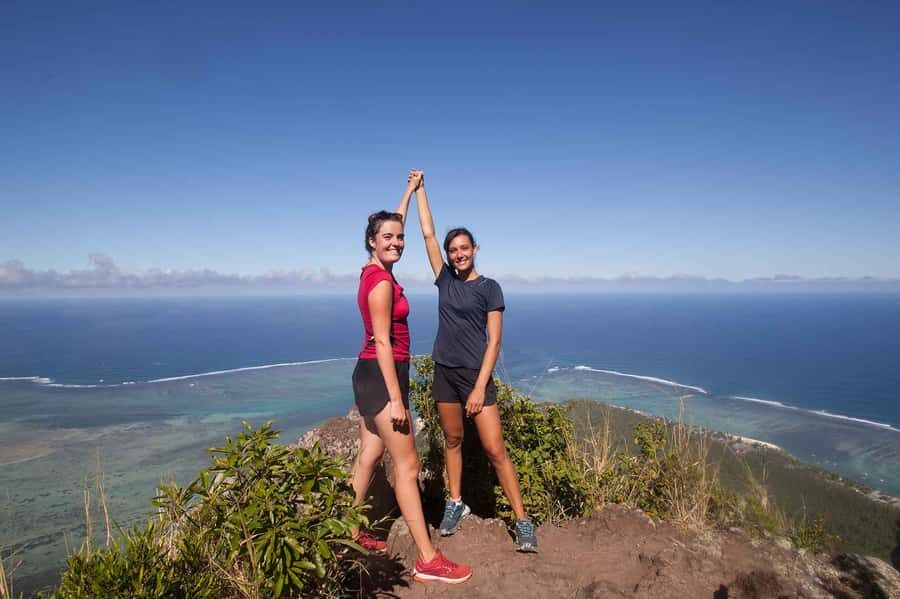
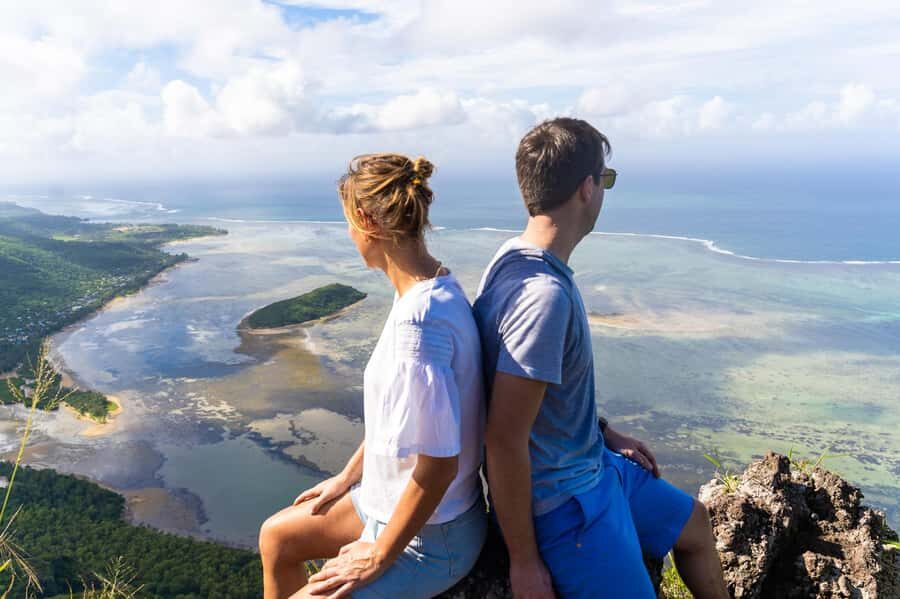
The payoff is worth it. Guides lead you toward that dramatic 360° view: turquoise lagoon, shifting coastline, and the full presence of Le Morne Brabant over Mauritius. If you’ve been staring at photos all week, this is the moment that makes the mountain real.
Plants, medicinal wisdom, and stories you actually remember
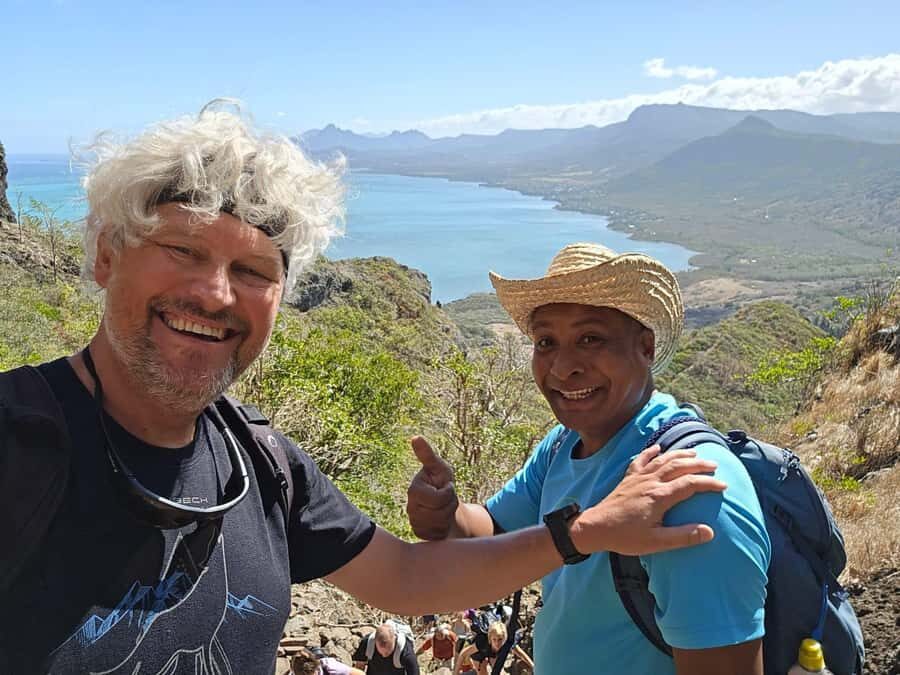
One of the most praised parts of this hike is what the guides tell you about the land. You’ll look at flora while the guide explains medicinal plant knowledge—centuries of local wisdom packed into a trail walk.
I love this because it’s not museum talk. It’s practical storytelling that links what you’re seeing to what people used to do and how they live with the mountain. It also turns a steep hike into a guided conversation, which makes waiting for viewpoints feel less like dead time.
You’ll also hear less common narratives tied to the mountain and the Slave Route. Even when the history feels heavy, the guides keep it grounded, with explanations that connect events to the landscape around you.
Guide personalities really show up here. Several names came up clearly in reviews—Christopher, Gino, Allen, and Gaël—and the pattern is consistent. They don’t just point. They guide foot placement, share context, and keep energy up during pauses.



Safety and pacing: why you feel guided, not herded
This is not a “walk around and hope for the best” hike. Guides are EFR/WFA certified, and they’re used to the rocky sections that can slow you down if you’re alone.
The pacing is also a big deal. You’re told you go at your pace—no rush, no pressure. That matters on a climb with uneven footing, because your speed should match your confidence, not the group behind you.
One of the best safety cues is route choice. Reviews highlight how guides help people bypass difficult climbing spots and take safer lines through the rocks. That means you’re less likely to gamble with a slippery move or climb a line that looks shorter but is worse.
If you’re the kind of person who worries about balance, don’t ignore that instinct. Reviews include advice that you should not attempt this without a guide if you’re uneasy with heights or if the rocks make you freeze. On the flip side, guides like Christopher describe how they instruct you on what to hold and how to move down safely, which can reduce that panic factor.
Price and value: is $59 worth it?
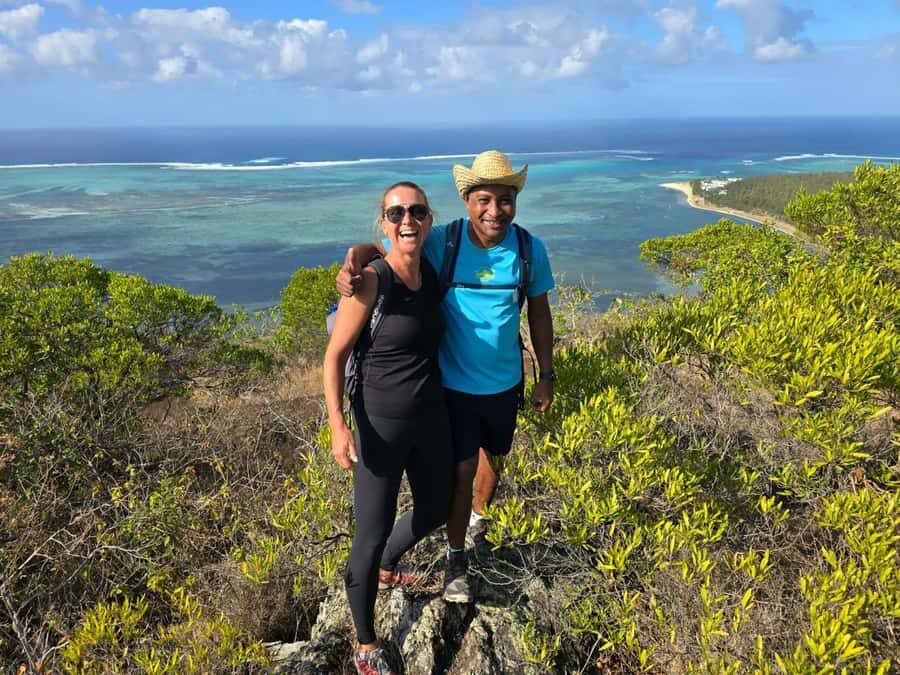
At $59 per person, this isn’t the cheapest hike in Mauritius. But it also isn’t just “a guide with a whistle.” You’re paying for several concrete advantages:
- Licensed, safety-certified guides (EFR/WFA) who can manage the rocky sections.
- Authorized access to the second part of the mountain that isn’t reachable the same way without the right permissions.
- Guided content: history tied to the Slave Route, plus medicinal plant explanations.
That package is where the value lives. If you tried to do this solo, you’d spend time figuring out routes, then lose the benefit of having someone show you the safest foot placements. In other words, the cost isn’t just for speaking—it’s for safer movement and better route decisions.
A few reviews also point out that the hike feels worth it even though it’s a bit expensive, because the guide makes a measurable difference during tricky climbing and steep sections. If you can only do one paid hike on the island besides beaches, this is one of the stronger “value-for-impact” choices.
What to bring: small items that prevent big annoyances
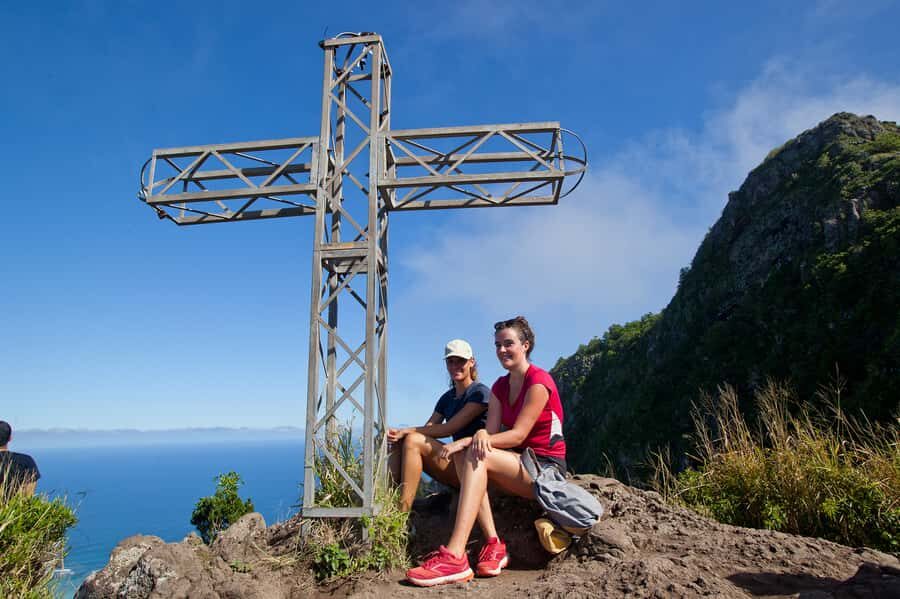
This hike is simple in theory, but the mountain has no patience for missing basics. Bring:
- Sun hat
- Hiking shoes
- Sunscreen
- Insect repellent
- Water
- Snacks
I’ll add a common-sense note from the vibe of the reviews: bring more water than you think. People call out running low, especially when the climb takes longer than expected or the sun is intense.
Also consider comfort gear. Trekking in rocky terrain means your feet matter. Choose shoes that grip and keep your ankle stable. And if you’re sensitive to steepness, bring a mindset that says you’ll stop often and breathe—this isn’t a speed challenge.
Language options are French and English, so you’ll get the stories clearly even if your French is rusty.
Who should book this Le Morne Brabant hike
Book it if you want an experience that’s both active and meaningful. This is ideal for you if you enjoy hikes where the guide explains what you’re stepping on—plants, history, and why the mountain matters.
It also works well if you like meeting local people and getting a different angle than the beach crowd. The guides are proud residents of the village of Le Morne, and that local perspective shows in how they describe the mountain.
Skip it if the idea of rocky, steep climbing scares you too much. The hike isn’t marketed for beginners who want an easy walk. It’s also not suitable for children under 6, people with back problems, or people with low fitness.
If you’re pregnant or dealing with health issues, this one should be cleared carefully. In a review, someone had to cancel due to pregnancy-related health concerns, and that’s a reminder that safety comes first.
Should you book Le Morne Brabant with Local Spirit?
If you’re physically able to handle a steep, rocky hike, I think this is a very solid booking. The combination of licensed local guides, authorized upper access, and strong safety coaching is what makes it feel worth the money.
I’d book this if you want more than a view—if you want a guided hike where the mountain’s stories and plants are part of the walk, not just a few quick facts. I’d also book it if you want help finding safer routes through the tricky parts.
Don’t book it if you’re looking for a casual stroll, you have low fitness, or you’re worried about heights. In that case, you’ll likely spend the hike anxious instead of enjoying the scenery and the history.
If you match the fitness level, though, you’ll finish with that 360° sense of place—and with a stronger understanding of why Le Morne Brabant means something to the people who live under it.
FAQ
Is this hike guided?
Yes. You’ll hike with local mountain guides who are EFR/WFA certified and licensed by the Mauritius Tourism Authority.
Do I get access to the upper section of Le Morne?
You get access to the second part of the mountain only through authorized guides.
What meeting point should I use?
Meet at Le Morne Kitesurfing Beach. The guide is expected to be there in a Local Spirit t-shirt.
Do I need to be very fit?
The hike includes moderate climbing over rocky terrain and a steeper final section. It’s not suitable for people with low level of fitness.
Can I do only part of the hike?
Yes. If you want a lighter adventure, you can complete just the first half of the hike.
Is hotel pickup included?
Hotel pickup and drop-off outside of Le Morne and La Gaulette village are not included.
What should I bring?
Bring sun hat, snacks, hiking shoes, sunscreen, water, and insect repellent.
What if I need to cancel?
You can cancel up to 24 hours in advance for a full refund, and you can reserve & pay later.