REVIEW · CANOES & KAYAKS
Ile d Ambre Kayaking
Book on GetYourGuide →Operated by Yemaya Adventures Mauritius · Bookable on GetYourGuide
Mangroves, calm water, and real local history. I love that this trip sticks to Paddle UK–style safety with a proper briefing, and I love the way the guides mix kayaking with mangrove ecology instead of just scenic posing. You should know one thing up front: part of the experience is a short walk for the ruins, so it’s not all straight paddling the whole time.
A big reason this works is the guide quality. In particular, Henrico is mentioned as attentive and genuinely interested in sharing what you’re seeing, from flora to fauna. One potential drawback: if you expected lots of slow, forest-like paddling the entire 3 hours, you might find the schedule includes more switching between water and land than you hoped.
In This Review
- Key highlights at a glance
- Why Île d’Ambre kayaking feels different than the usual Mauritius outing
- Goodlands meeting point: where it starts and how to show up smoothly
- From safety briefing to mangrove entry: the pace you should expect
- The mangrove maze: what you’ll learn while you paddle
- Snorkel and swim stop: comfort tips that actually matter
- Crossing to the ruins: a short walk with a 300-year story
- Snacks, conservation talk, and why the included extras feel fair
- Price and logistics: is $64 good value for this kind of tour?
- Who should book this trip, and who might want a different plan
- Should you book this Ile d’Ambre kayaking trip?
- FAQ
- How long is the kayaking trip?
- Where does the tour meet?
- What languages are offered?
- What’s included in the price?
- Do I need to bring reef-safe sunscreen?
- Is fishing allowed during the activity?
Key highlights at a glance
- Paddle UK–standard safety briefing before you even touch the water
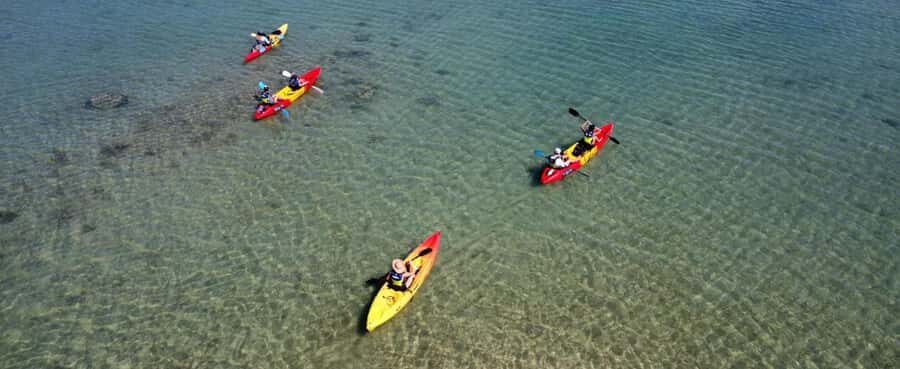
- Small groups (and private options) with English and French guides
- Mangroves inside a national park plus a guided walk on the other side
- Short swim/snorkel stop with masks and dry bags provided
- History + conservation talk, not just wildlife sightseeing
- Snacks and local cakes waiting back at the kiosk
Why Île d’Ambre kayaking feels different than the usual Mauritius outing
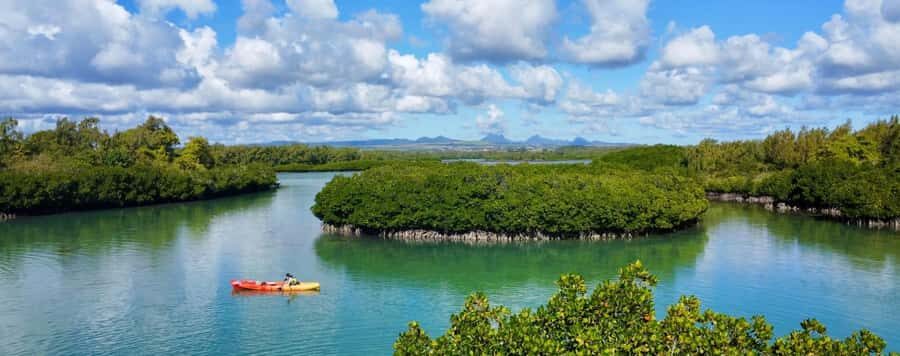
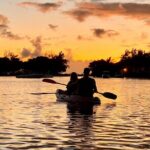
Île d’Ambre is one of those places where the scenery isn’t just pretty, it has a job. The mangroves protect the coast, shelter marine life, and shape how the whole ecosystem works. Kayaking through that maze makes it feel personal because you’re moving slowly, close enough to notice details you’d miss from a boat.
This is also a good-length activity at 3 hours. Long enough to feel like a real experience, not so long that you’ve spent your whole day “transporting” yourself from one highlight to the next.
And the vibe tends toward quiet. You’re on sea kayak gear, not a motorboat. You’re also going out under trained guidance, which matters because mangrove waters can be shallow, turny, and full of little obstacles.
If you’re the kind of person who likes learning while you move, this trip fits. The guides explain history, fauna, floral, and even conservation work, so the mangroves aren’t just scenery to admire and forget.
A few more Mauritius tours and experiences worth a look
Goodlands meeting point: where it starts and how to show up smoothly
You meet at XM7P+93 Goodlands. The note about the directions being tricky is real: it’s not as easy to find as you’d hope, even with Google Maps. The provider sends exact instructions by email or WhatsApp, so keep an eye on your messages before you leave.
Plan your timing with local reality in mind. One booking mentioned being delayed by traffic, and the group waited. That’s a good sign, but I still recommend you aim to arrive early so you can start calmly, not rushing.
What I like about the setup is the “nothing to figure out on your own” approach. You’ll have the kayaks and gear, plus sea shoes, dry bags, and masks if you don’t bring them. You’ll still want to do your part: bring a change of clothes, water, and reef-safe, biodegradable sunscreen.
From safety briefing to mangrove entry: the pace you should expect
The tour starts with a safety briefing that follows Paddle UK standards. That’s not just a checkbox. When kayaking is new to you, the difference between a “try it and hope” setup and a structured briefing is huge. You get the rules of paddling, handling, and water awareness so you can enjoy the trip without constantly worrying.
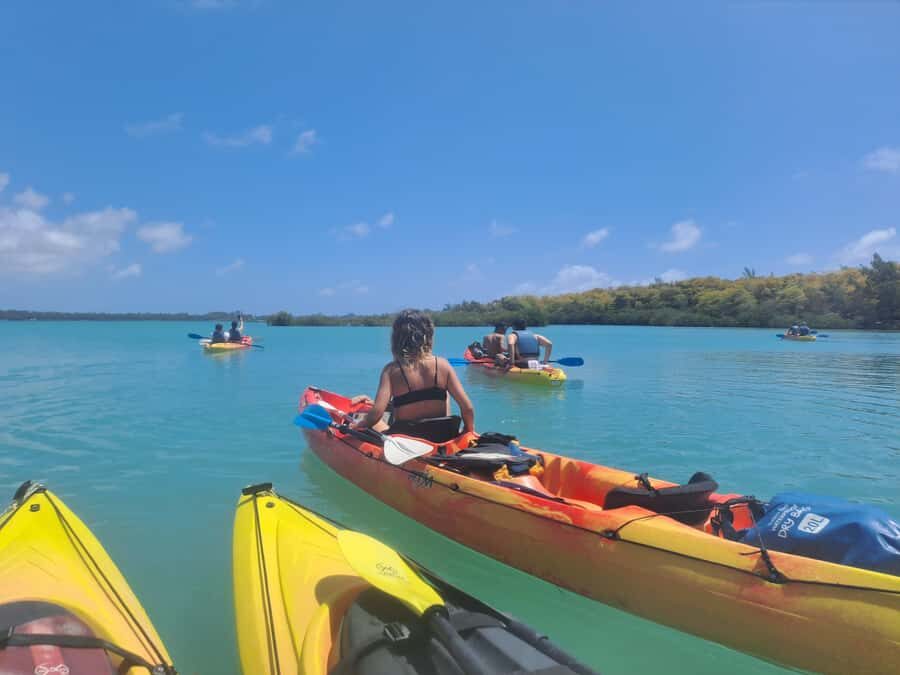
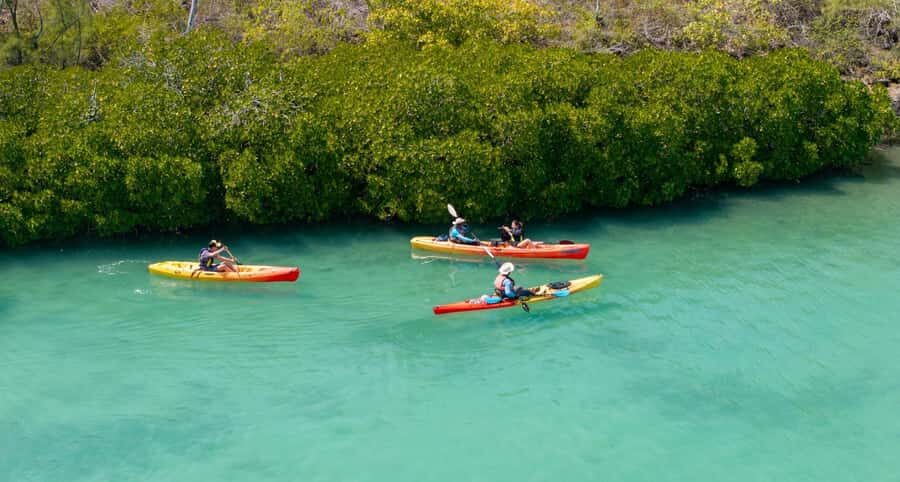
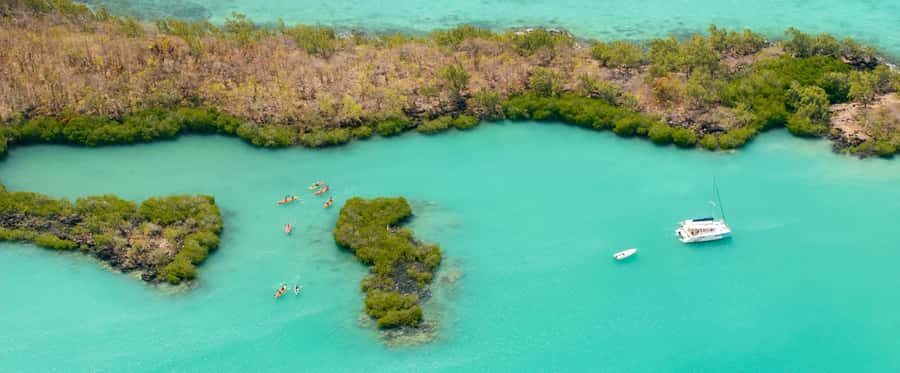
Then you push off and it immediately becomes more interesting than a straight paddle. You’ll slalom between moored traditional pirogues (skiffs) to reach the national park area about 300 meters away. That’s a small detail, but it helps explain why this is guided: you’re threading through real local activity, not an empty nature postcard.
As you enter the mangroves, the kayaking becomes slower and more deliberate. Mangrove channels are the kind of place where speed feels unnecessary and attention matters more than power. You’re there to experience the ecosystem at human scale.
Small groups help here too. Fewer people means the guide can keep an eye on everyone’s comfort level and keep the route moving at a steady, manageable pace.
The mangrove maze: what you’ll learn while you paddle
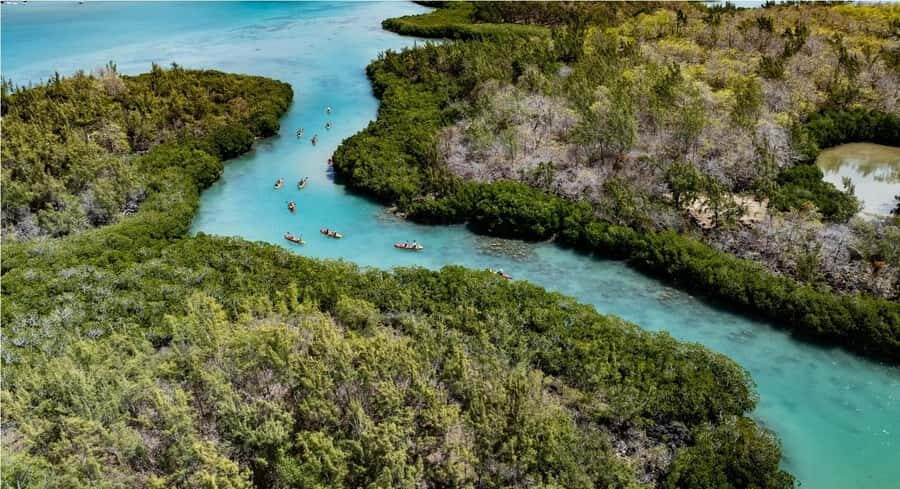
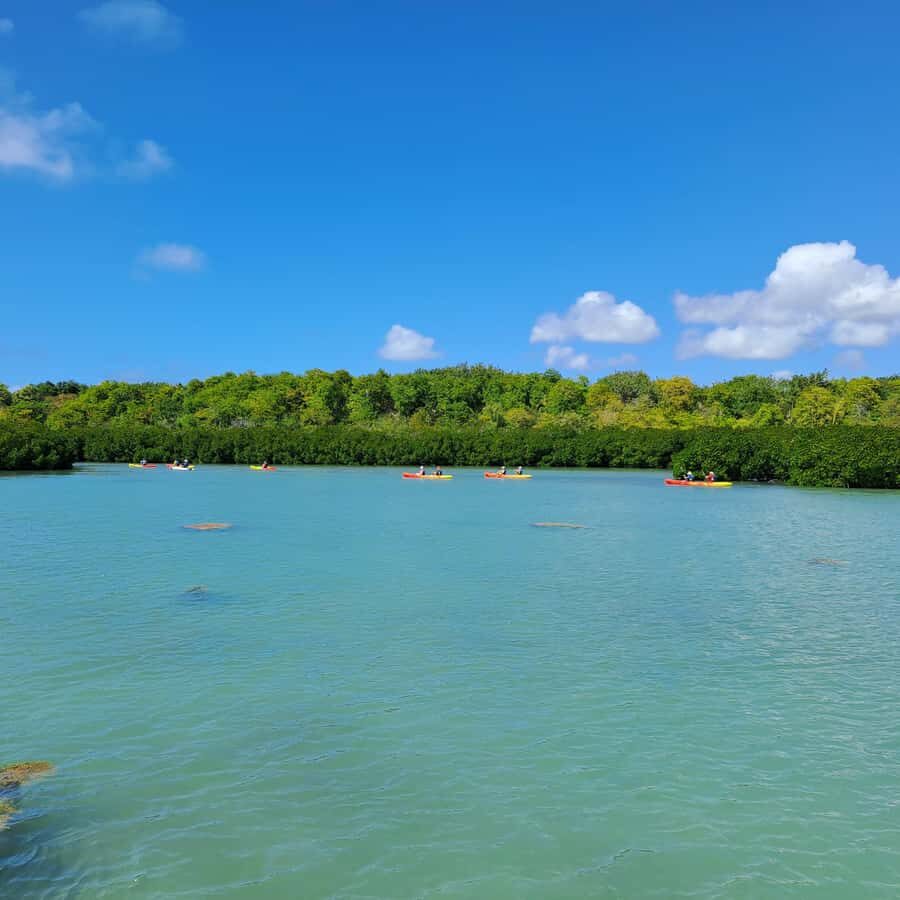
The core of the trip is paddling through the mangroves around Ile d’Ambre National Park (137 hectares). Mangroves can look like “trees in water” until you learn what they’re doing. That’s where the guide narration turns the whole thing from pretty into meaningful.
During this section, you’ll get explanations about:
- what you’re seeing in the mangroves
- the marine life you might spot
- and the general role of this protected area
Even if you don’t identify every plant by name, you’ll understand the relationships: mangroves as nursery habitat, sheltered water as a place where smaller creatures can exist safely. That context makes it easier to look closely, instead of just scanning for something shiny.
One practical point: don’t expect “wildlife guaranteed on demand.” Kayak trips like this are dependent on conditions. What you can control is your attitude and attention. If you come ready to slow down, the mangrove passage can feel surprisingly calm and focused.
And yes, the scenery is genuinely beautiful. The trick is to paddle just enough to take it in. If you burn your energy early, you’ll end up wishing you’d saved it for the moments when you actually want to stop and look.
Snorkel and swim stop: comfort tips that actually matter
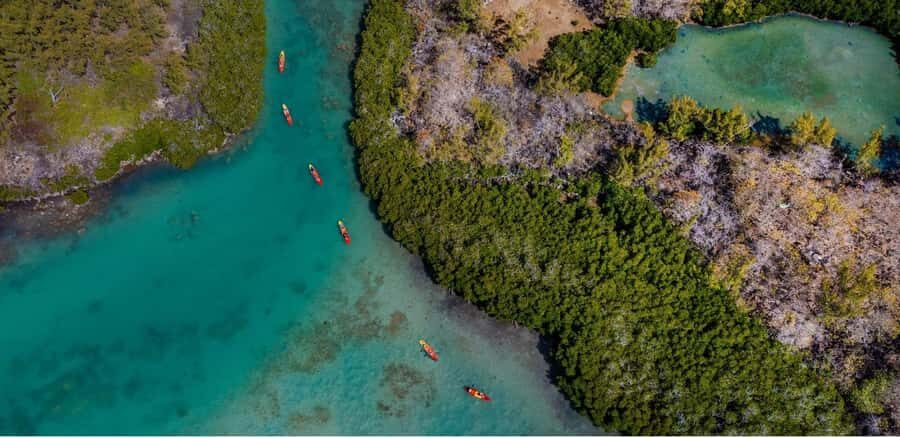
At some point you’ll get a short break for a swim/snorkel stop. This is one of the best moments on the trip because it changes the perspective from “watching from above” to “moving through the water.”
Gear is handled for you. If you need it, you can use a mask. You’ll also have dry bags for keeping your personal items dry while you’re on the water.
What you should bring (and why):
- Waterproof shoes: helps you move safely on any wet surfaces.
- Reef-safe sunscreen: you’ll be in a marine environment, so this matters.
- Biodegradable sunscreen is recommended, which is exactly what you want when you’re aiming to be gentle with the ecosystem.
If you forget key items like sunscreen or snorkeling gear, the tour info says you can still be supplied with some things (including sunscreen, and they can lend sea shoes, masks, and dry bags if you didn’t bring yours). Still, I’d treat that as a backup, not your plan A.
One small heads-up from real expectations: the trip includes both water time and land time, so the swim stop comes as a highlight inside the schedule, not as a long free swim session.
Crossing to the ruins: a short walk with a 300-year story
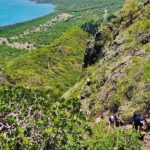
After kayaking in the mangroves, you move to the other side of Île d’Ambre. You’ll take a short walk by foot to reach ruins and hear about the island’s 300-year history as a once-inhabited islet.
This portion is valuable for a simple reason: it gives your brain a “why.” When you understand what happened here over centuries, the ruins feel less like random stones and more like part of a living human timeline layered onto the natural environment.
And the walk isn’t just for sightseeing. The guide also keeps explaining flora and history, and you’ll learn about the park and the reasons behind the conservation work.
The only drawback I’d flag is the timing match. If you’re the type who wants maximum water minutes and minimal walking, you may feel like the ruins section pulls you away from paddling. If you’re okay with mixing water and land, this part can be the most memorable.
Snacks, conservation talk, and why the included extras feel fair
When you get back to the kiosk area, you’ll have refreshments and snacks, including local cakes, juice, and filter coffee. This matters more than it sounds. A good kayaking trip makes you work a little, even if you don’t realize it, and food afterward turns the end of the experience into something cozy instead of “okay, now I need to find lunch.”
I also appreciate the way the guide doesn’t treat conservation like a poster. The trip includes an explanation about conservation work and the role of mangroves and marine life. It’s the difference between “cool nature” and “this is why protection is needed.”
This makes the whole experience feel more grounded. You’re not only enjoying nature; you’re also learning how to respect it. That’s a better souvenir than a photo alone.
Price and logistics: is $64 good value for this kind of tour?
At $64 per person for a 3-hour guided trip, the value comes from what’s included and what’s not left to chance.
Here’s what you’re getting for your money:
- Qualified guides and training aligned with Paddle UK standards
- High-end kayaks and gear
- Safety briefing
- Sea shoes, dry bags, and mask support if you need it
- A snorkel/swim stop
- A guided walk covering history and flora
- Snacks with local cakes plus drinks
- Small groups, with English and French guide options
The most important thing is that it’s guided and safety-led. In kayaking, “cheap” often means “you figure out more yourself.” Here, you’re paying for guidance, equipment, and a structured plan that keeps the experience fun instead of stressful.
Also, the “small group” angle helps. You get more attention and less waiting around. That’s part of why a 3-hour trip doesn’t feel rushed.
Who should book this trip, and who might want a different plan
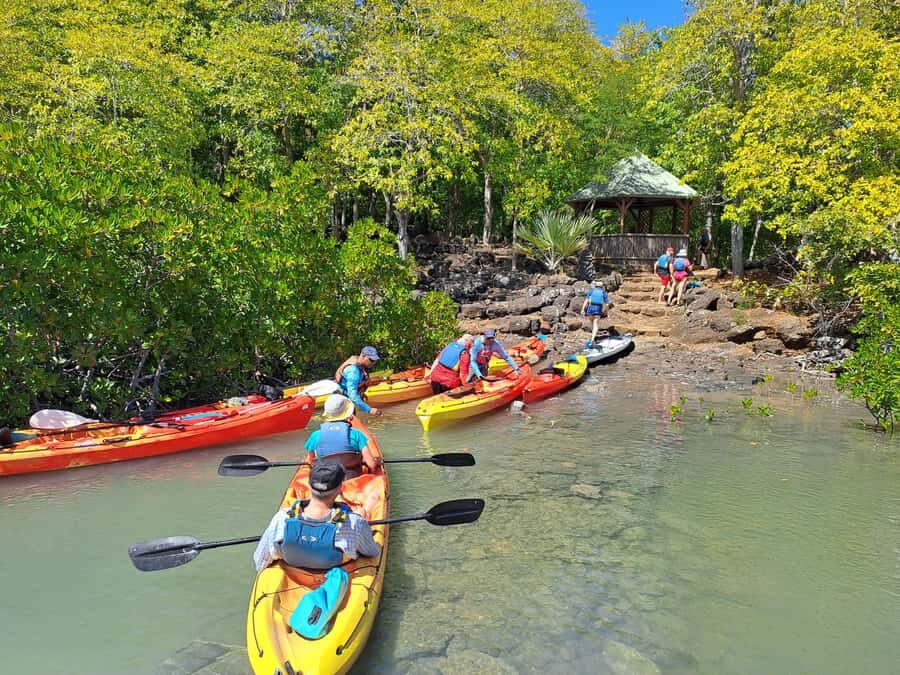
This tour is ideal if you want:
- a sea kayaking experience in mangroves
- guided learning about fauna/floral and the island’s history
- a short, active day that still includes relaxation (snorkel and snacks)
It’s also a good choice if you’re done with motorboat sightseeing and want something calmer, more hands-on, and more “on the move with a purpose.”
You might think twice if:
- you expect the whole 3 hours to be nonstop paddling with almost no walking
- you need a very long swim session (the stop is described as short)
That’s not a dealbreaker. It’s just the shape of the experience. The best results come when you’re comfortable with the mix of water time, a quick swim/snorkel, and a land walk to ruins.
Should you book this Ile d’Ambre kayaking trip?
I think it’s a solid yes if you like guided nature with real context. The Paddle UK–style safety briefing, the mangrove route in a 137-hectare national park, the history stop at the ruins, and the fact that you get snacks and local cakes make it feel like a complete morning rather than a rushed add-on.
Book it if you want:
- a small-group day with English or French
- kayaking plus stories about what you’re seeing
- gear handling taken care of, so you can show up and enjoy
If you mainly care about maximum time on the water and don’t want any walking at all, you might prefer a different kayaking format. But if you’re open to the island’s natural and historical side in one go, this is the kind of trip that leaves you with more than just a photo.
FAQ
How long is the kayaking trip?
It lasts 3 hours.
Where does the tour meet?
The meeting point is XM7P+93 Goodlands. Exact directions are sent by email or WhatsApp because the spot can be hard to find with Google Maps.
What languages are offered?
The live guide speaks English and French.
What’s included in the price?
Included are high-end kayaks and gear, a proper safety briefing, sea shoes, dry bags, and a mask if you don’t have one. You also get a snorkel/swim stop, snacks with local cakes, juice, and filter coffee, plus a guided walk explaining the history, flora, fauna, and the conservation work.
Do I need to bring reef-safe sunscreen?
You should use reef-safe suncream. If you don’t have it, the tour can supply it.
Is fishing allowed during the activity?
No. Fishing is not allowed.