REVIEW · GRAND GAUBE
Authentic North East Coast E-bike Guided Tour
Book on GetYourGuide →Operated by Storm E-bikes Tours · Bookable on GetYourGuide
A first look at Mauritius goes slow. This e-bike tour keeps you moving while still slowing down at real village life. With guide Parmeet (and sometimes Bindia) running the show, you get clear headset guidance and the kind of route that stays out of the main tourist stampede. You’ll see temples, fishermen landing areas, quiet beach stretches, and even wildlife stops like an oyster farm and tortoises.
I really like two things most. First, the e-bike setup makes the trip feel doable: fat tires plus a powerful 55W motor means you’re not fighting the route. Second, the day is built around everyday Mauritius—fishermen villages, markets, temples, and an authentic Mauritian lunch with vegetarian options.
One consideration: this isn’t a casual stroller tour. You’ll want good cycling skills, sports shoes, and you must be at least 155 cm tall. If you’re expecting resort-style, sand-in-a-cocktail scenery, you might find it less your vibe.
In This Review
- Key things to know before you pedal
- Why this north east Mauritius route feels different
- The e-bikes and the safety rhythm (what to expect on day-of)
- Cap Malheureux: the calm start and the first coastal views
- Fishermen landing areas and village streets: where the day turns real
- Grand Gaube: fish market energy plus snack time
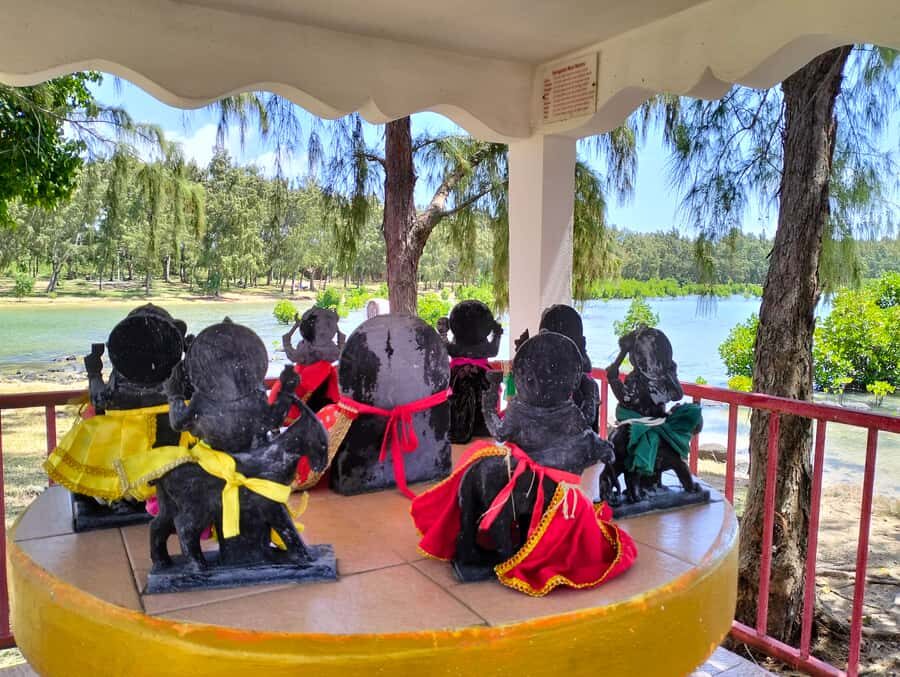
- Temple visits: Hindu landmarks with real atmosphere
- The seafood-to-wildlife shift: mangroves, oyster farm, tortoises, turtles
- Quiet beaches off the main trail: the moment you’ll want to linger
- The included lunch: how it supports the local-food goal
- Group size, pacing, and why the route stays manageable
- Who this tour suits best (and who should skip it)
- Price: is $94 a fair deal for a 5-hour 32 km day?
- Logistics you should not ignore
- So, should you book Storm E-bikes North East Coast?
- FAQ
- How long is the e-bike tour?
- How far do you ride?
- Where does the tour start?
- Is lunch included?
- Do you offer vegetarian and non-vegetarian lunch choices?
- Are hotel pick up and drop off included?
- What languages are the guides?
- What should I bring and wear?
- Is there a height requirement?
- What happens if it rains heavily?
Key things to know before you pedal
- 32 km along the north east coast with frequent stops, not just a long straight ride
- Fat E-bikes with a 55W motor to make “local roads” feel manageable
- Non-touristy villages and markets (fishermen landing areas, local temples, creole village areas)
- Wildlife and nature stops including an oyster farm in a mangrove preservation site and a sea turtle sanctuary
- Included lunch in a traditional local setting, with vegetarian and non-vegetarian options
- Small group size for a calmer pace (limited to 8 participants, with tour caps noted up to 10)
Why this north east Mauritius route feels different
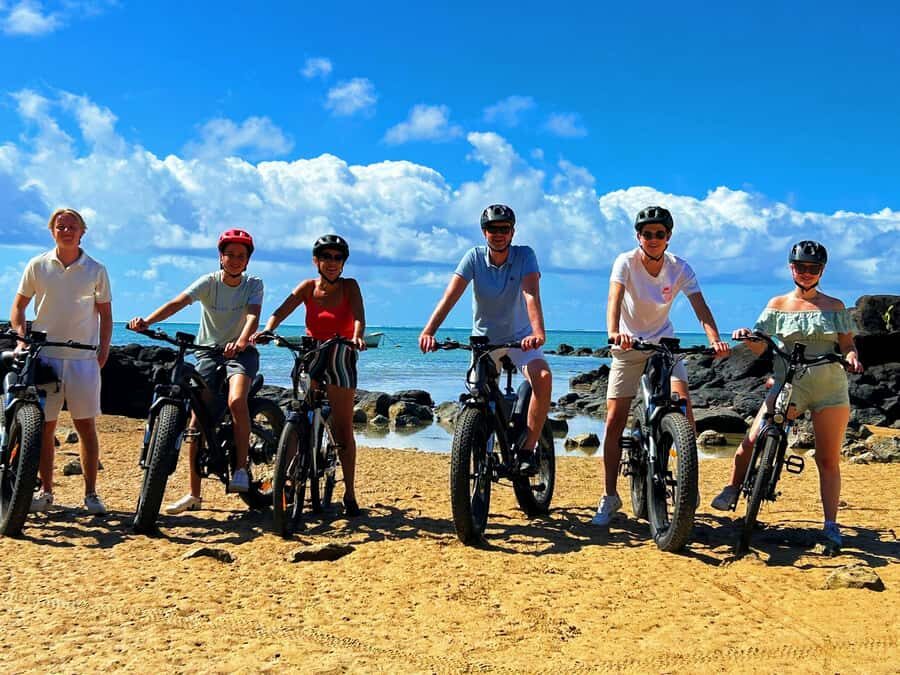
Most people visit Mauritius for beaches that look the same on every brochure. This tour takes a different angle. You’ll ride the north east coast and spend real time in places where people live, pray, fish, and sell food—plus you’ll roll past stretches of coastline that tend to get overlooked.
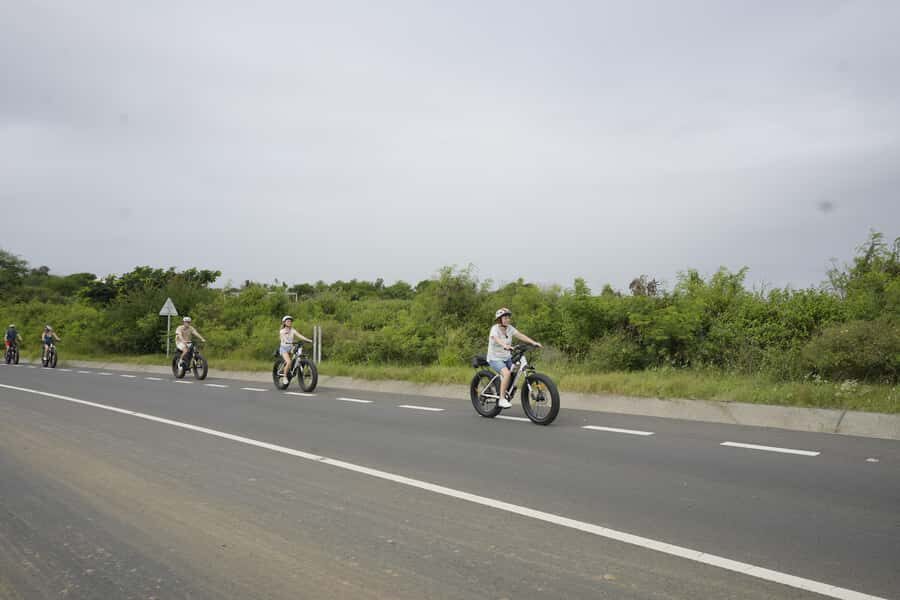
The e-bike part matters because it changes how you experience distance. A 32 km day on regular pedals can turn into a workout you resent by hour three. On these fat-tire bikes with the 55W motor, you’re still biking, but you’re not spending the whole day “surviving the effort.” That means you can actually notice things: the rhythm of the fishing areas, the textures of village streets, and the calm of lesser-used beaches.
And yes, you’ll still get scenic coastal moments. The key is that the view isn’t the only attraction. The goal is to show you how the coast works day to day.
You can also read our reviews of more tours and experiences in Grand Gaube.
The e-bikes and the safety rhythm (what to expect on day-of)
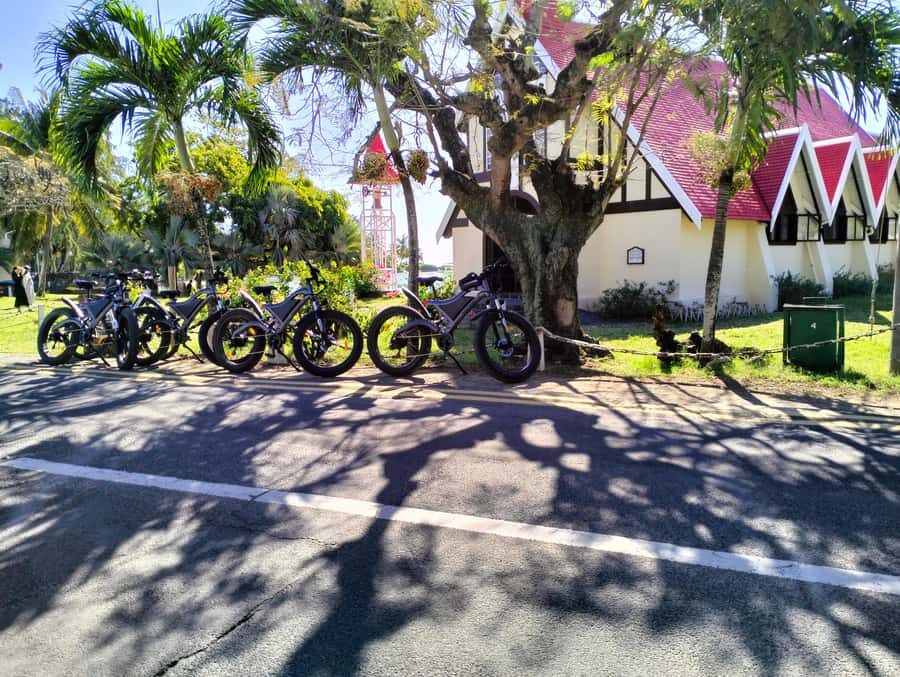
Your tour starts at Storm E-bikes Tours. Plan to arrive 8:30 am for instructions and a chance to try the bike. The ride officially begins around 9:00 am sharp, so don’t treat the morning like a slow coffee stroll.
The bikes are described as powerful with fat tires, built for comfort and control. That’s a big deal on Mauritius where some road surfaces can be uneven or a little unpredictable. Fat tires help you stay stable and reduce the “twitchiness” that can make first-time riders nervous.
You’ll get a safety briefing, and based on real participant feedback it may feel intense at first. The good news: once you’re moving, the guidance system takes over. You’ll ride with earpiece/headset communication, so you’re not constantly guessing when to stop, turn, or wait.
Practical tip from my perspective: if you’re a first-timer, treat the first 15 minutes like training. You don’t need to be fast. You just need smooth. Wear sports shoes (required) and bring your own water bottle. Also, the tour notes that loose clothing isn’t allowed, so stick to secure, practical outfits.
Cap Malheureux: the calm start and the first coastal views
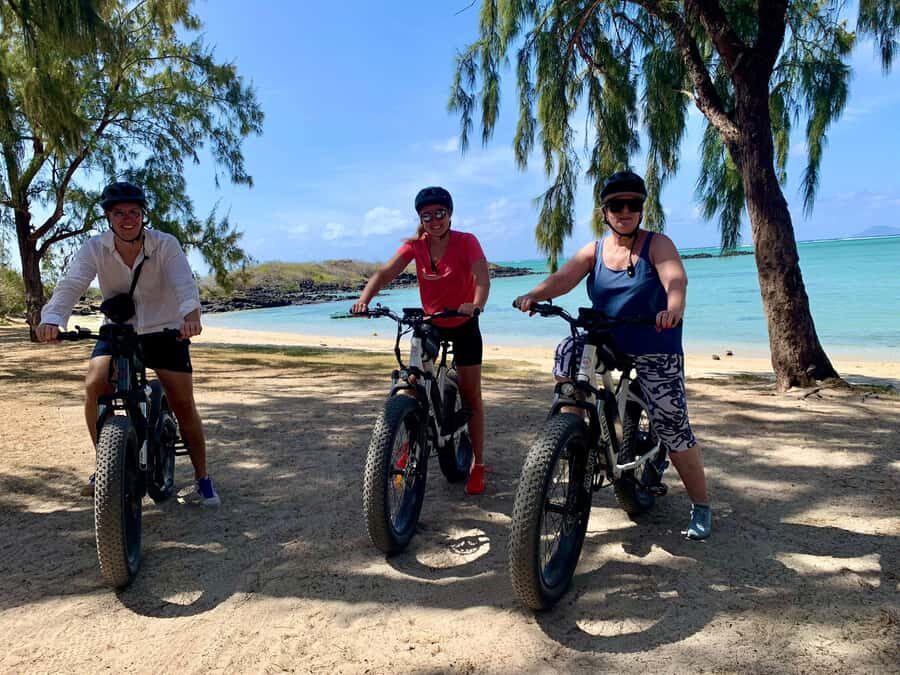
The day’s first named stop is Cap Malheureux, with about 30 minutes for sightseeing and scenic views. This is a good “warm-up” checkpoint: you get your first look at the coast and the general feel of the area before the ride moves into more village-heavy parts.
I like this kind of start for one reason: it helps you mentally switch from sightseeing to cycling. You’re not only looking at places—you’re learning the flow of the route.
If the weather is clear, you’ll probably notice how different the light is compared to the interior. Coastal Mauritius can look softer, more open, and less crowded. That matters because the rest of the tour is intentionally away from the big tourist hubs.
Fishermen landing areas and village streets: where the day turns real
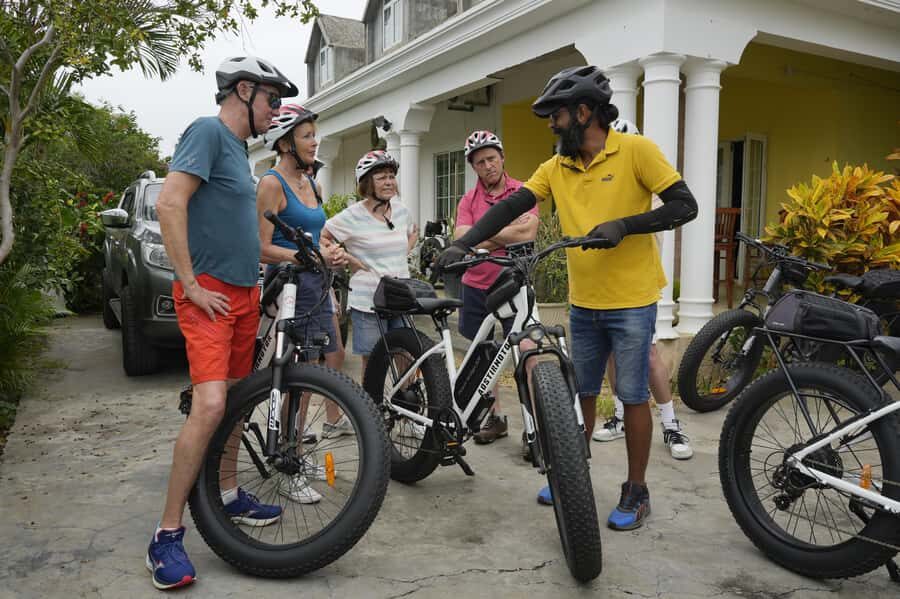
After Cap Malheureux, the route shifts into areas that are deliberately less visited. You’ll spend time at a fishermen landing station/area and also pass through small local zones like St Francois village and other village neighborhoods along the way.
This is the heart of the tour’s “authentic” approach. You’re not just snapping photos from a distance. You’ll have time for visits and stops that let you observe without rushing—temples, working waterfronts, and the everyday flow of people going about their day.
A big value here is context. Instead of seeing a fishing scene as scenery, you’re learning how the coast supports livelihoods. The guide brings history and local knowledge into stops like these, and you’ll feel the difference when you understand what you’re looking at—why a place is important, how it connects to community life, and what’s worth noticing.
One small drawback: village stops mean there’s less polished infrastructure. Don’t expect smooth sidewalks and perfect walking surfaces. You’ll do some stopping and starting, and you’ll get on/off the bikes repeatedly throughout the ride.
Grand Gaube: fish market energy plus snack time
The tour includes time in Grand Gaube—first with a 30-minute visit, then a longer 45-minute food tasting and street snack section at the local market area.
This is where the day gets delicious. You’ll have a mix of tasting time: local snacks, food tastings, and the chance to try regional flavors in an informal setting. The tour also notes street food and local treats, and one participant specifically highlighted that lunch came with extra surprises like pastry stops.
Also, if you like food and people-watching, Grand Gaube delivers. Even when you stay in “tourist-lite” areas, market towns have a natural buzz. The e-bike approach keeps you from being trapped in one small perimeter—you get to see more of the coast and then come back for food.
Temple visits: Hindu landmarks with real atmosphere
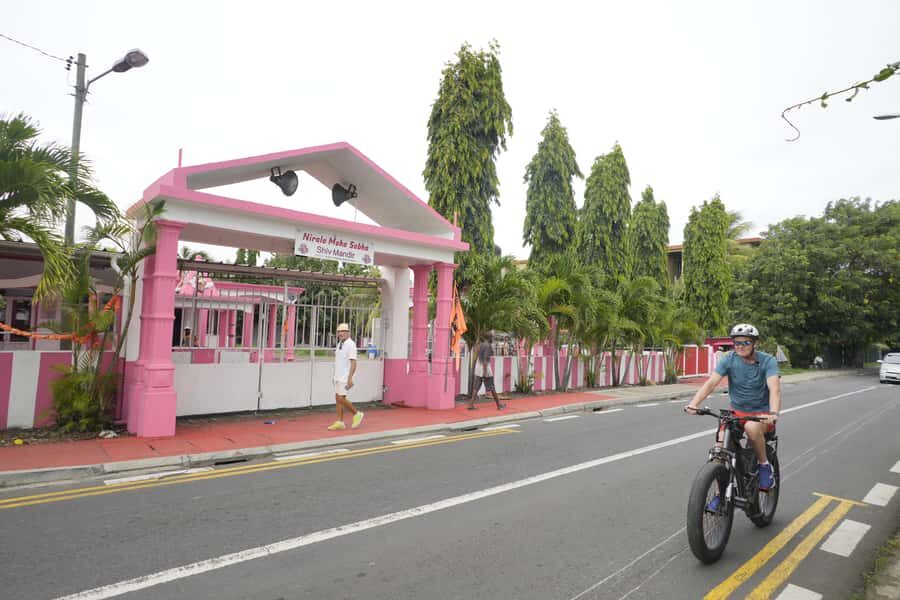
A key part of the experience is spirituality in everyday life. You’ll visit a small traditional Hindu village and a Tamil temple as part of the route. The included list also references a Hindu temple, so expect at least one proper temple stop where you can slow down, look around, and learn what matters locally.
Temple visits on a bike tour work best when you understand the pacing. This isn’t a museum-style stop where you sprint through photos. You’re there long enough to appreciate details and learn why they’re meaningful.
One thing to remember: temples often come with cultural expectations. The tour doesn’t list specific dress code rules beyond avoiding loose clothing, but I’d still plan to dress respectful and be ready to follow any guidance from your host.
The seafood-to-wildlife shift: mangroves, oyster farm, tortoises, turtles

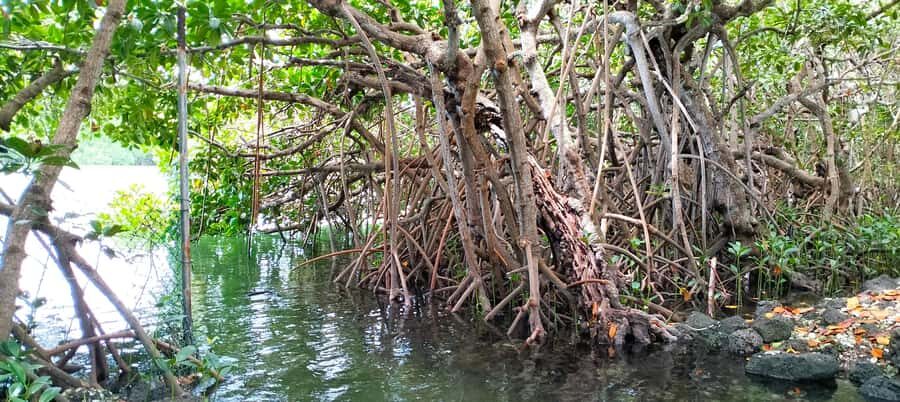
Near the middle-to-late part of the ride, the tour connects rural coast life with nature conservation. You’ll visit mangrove sites with scenic views and wildlife and also a traditional oyster farm set in a mangrove preservation site.
Mangroves are one of those environments where you feel the conservation angle immediately. They’re not just pretty—they’re protective nurseries and part of the coastal ecosystem’s engine. Seeing an oyster farm in this setting adds an extra layer: you connect what humans do nearby with why these ecosystems matter.
Then there’s the wildlife component that’s hard to find elsewhere on the island. The highlights mention the oldest living Aldabra tortoises in Mauritius (two individuals, past 100 years old) and also a sea turtles sanctuary. Those stops are the kind of experiences that make a bike tour feel more than just a ride. You’re not only moving through landscapes—you’re meeting living conservation stories.
Practical consideration: bring your water and pace yourself. Even with a motor, you’ll still be doing a full cycling day with multiple short walks, viewing times, and photo stops.
Quiet beaches off the main trail: the moment you’ll want to linger
The tour includes hidden beach areas and “peaceful and quiet beach areas” in non-touristic zones. These are the breaks that reset your brain after village and market stops.
This is also where the tour’s premise becomes clear. It’s not built for people chasing bling beaches and crowds. If that’s your priority, you might feel like you’re missing something. But if you want a shoreline moment where you can breathe and watch the water without feeling boxed in by other groups, this is exactly the payoff.
Expect scenic pauses rather than a long beach day. The point is to keep the day moving, while still letting you enjoy what’s special about lesser-used parts of the coast.
The included lunch: how it supports the local-food goal
Lunch is included and described as authentic Mauritian cuisine, with both vegetarian and non-vegetarian options available daily.
I like this kind of inclusion because it prevents the most common tour problem: you pedal all day and then hunt for food that matches your expectations. Here, you get a planned lunch stop in a traditional roadside restaurant setting.
One participant called out a vegetarian lunch that felt especially fresh—vegetables with rice and local sauces—so if you eat vegetarian, you’re not just getting a fallback option.
Timing-wise, lunch happens along the tour, not as an afterthought. You’ll also have snack and tasting time at the market area, so the day won’t feel like it’s only “one meal later.” It’s more like a food path threaded into the ride.
Group size, pacing, and why the route stays manageable
The tour is capped as a small group. The info states limited to 8 participants, and it also references a maximum of 10 per tour. Either way, it’s clearly not built for huge crowds—so you can hear your guide, stop when needed, and not feel like you’re cycling through a moving parking lot.
Pacing is built around frequent stops and photo moments. The ride itself is about 32 km, but the “real work” is the stop-and-go rhythm: riding, arriving, walking a bit, looking around, then remounting.
In other words, it’s not only about distance. It’s about time spent understanding each place.
Who this tour suits best (and who should skip it)
This is a great match if you want:
- Local culture over resort scenery
- A physically manageable day where the e-bike does the heavy lifting
- Temples, fishing-related places, markets, and wildlife/conservation stops
- Included lunch and snack tastings in non-touristic areas
This might not be the best fit if:
- You need an easy, no-walking schedule. You’ll do repeated getting on/off the bike and short visits.
- You’re not comfortable cycling. The info states good cycling skills are required.
- You’re under the height requirement of 155 cm.
If you’re the sort of traveler who gets bored by “everyone sees the same thing,” this tour should feel like a relief.
Price: is $94 a fair deal for a 5-hour 32 km day?
At $94 per person for a 5-hour tour covering 32 km, you’re paying for three things: the e-bike experience, guided local access, and included food plus conservation/wildlife stops.
When I compare it to typical half-day activities, the value lands in the right place because lunch isn’t “snack-sized,” and the day includes multiple categories of stops: villages, temples, market tastings, mangroves/oyster farm, plus wildlife viewing like tortoises and turtles.
Also, small group size matters. With a limited group and headset guidance, the guide can actually manage the ride and give meaningful context at stops. That kind of organization is usually where lower-cost tours start to feel chaotic.
If you want a very standard coastal highlight circuit, you may find alternatives. But if you want Mauritius in a less staged form—while still riding comfortably—this price feels reasonable.
Logistics you should not ignore
Here are the practical notes that will help your day go smoothly:
- Sports shoes are mandatory and you should avoid loose clothing.
- Bring your own water.
- You should arrive 8:30 am for instructions and to try the bike.
- You must be above 155 cm.
- The tour says cycling skills are needed, and it can be rescheduled or refunded in case of heavy rain.
One extra, low-cost comfort tip from participant feedback: wearing something high-visibility (day glow) can help with visibility and safety when you’re moving in and out of areas.
So, should you book Storm E-bikes North East Coast?
I’d book it if you’re excited by quiet beaches, village life, temples, and wildlife conservation stops—and you want that experience without tiring yourself out on pedals alone. The combination of non-touristic routing, included local lunch, and the guided headset setup makes it a smart way to spend a morning or half day in Mauritius.
Skip it if you want a luxury beach day with minimal effort and zero cycling. And don’t book it if you aren’t ready for repeated bike stops, short walks, and a ride that expects you to handle a bike safely.
If you’re somewhere in the middle—curious but practical—this is a very good “Mauritius beyond the brochure” option.
FAQ
How long is the e-bike tour?
The tour is 5 hours long.
How far do you ride?
It’s a 32 km coast bicycle tour.
Where does the tour start?
The meeting point is Storm E-bikes Tours. You can find it by following their Google Maps location.
Is lunch included?
Yes, lunch is included. It’s authentic Mauritian cuisine, with vegetarian options available.
Do you offer vegetarian and non-vegetarian lunch choices?
Yes. Vegetarian and non-vegetarian options are available daily.
Are hotel pick up and drop off included?
No. Hotel pick up and drop off can be arranged for a minimum fee if you contact the provider.
What languages are the guides?
The live tour guide speaks English and French.
What should I bring and wear?
Wear sports shoes (mandatory) and bring your own water bottle.
Is there a height requirement?
Yes. You need to be above 155 cm.
What happens if it rains heavily?
The activity will be rescheduled or refunded in case of heavy rain.