REVIEW · MAURITIUS
Abseiling/Canyoning
Book on GetYourGuide →Operated by Motrek Adventures · Bookable on GetYourGuide
Rappels in Mauritius feel like another life.
This 3-hour abseiling and canyoning experience at Tamarind Falls / 7 Cascades pairs certified instruction, proper ropes and harnesses, and real waterfall time, with optional cliff jumps if you want the extra scare.
What I like most is how safe it feels without making it boring. With guides like Freddy and Jees, you get clear steps, steady encouragement, and a vibe that keeps you focused while your brain tries to panic. The other big win is the payoff: dramatic waterfall drops, including a final 55m waterfall you can see from the top.
One consideration: this is not for everyone. If you’re afraid of heights, have vertigo, or you’ve got back problems or high blood pressure, you should skip it and choose something lower-stress.
In This Review
- Key highlights at Tamarind Falls (10–25m rappels plus jumps)
- Tamarind Falls / 7 Cascades: what this 3-hour canyon route feels like
- Meeting at Henrietta Cemetery (9:30 a.m.) and the walk-in rhythm
- Gear, briefing, and safety checks that actually matter
- The abseil heights: 10m, 15m, and 25m descents
- Optional cliff jumps: when you want a little chaos
- The 55m waterfall moment and the hike back out
- Food, photos/videos, and the small-group vibe
- Price ($140) and what you really get for your money
- Who should do this, and who should skip it
- Practical packing tips so you don’t lose the fun
- Should you book Tamarind Falls abseiling with Motrek Adventures?
- FAQ
- How long is the abseiling/canyoning activity?
- Where do we meet for Tamarind Falls abseiling?
- What heights are included for abseiling?
- Are cliff jumps included?
- What’s included in the price?
- What should I bring, and what isn’t allowed?
- Is it suitable for beginners?
- What languages are spoken by the guides?
- What is the cancellation policy?
Key highlights at Tamarind Falls (10–25m rappels plus jumps)
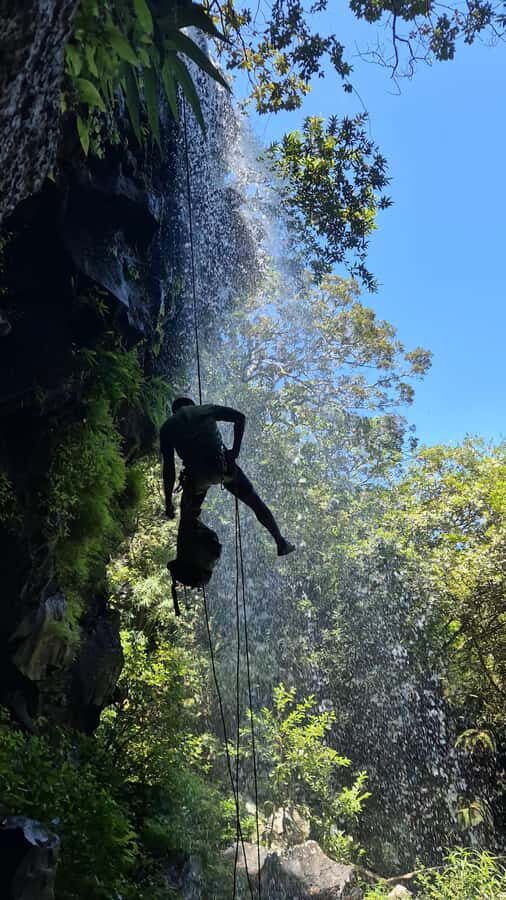
- Certified instructors and monitored gear use with harness, ropes, wetsuit, and life jacket
- 10m, 15m, and 25m abseils built for beginners who want real progression
- Optional cliff jumps for thrill-seekers (never random, always monitored)
- Final 55m waterfall view before you head to the exit
- Small-group energy that feels more personal than big treks, with lots of guide coaching
- Local food/snacks and photos/videos so you’re not just sweaty, you’re fed and have memories
Tamarind Falls / 7 Cascades: what this 3-hour canyon route feels like
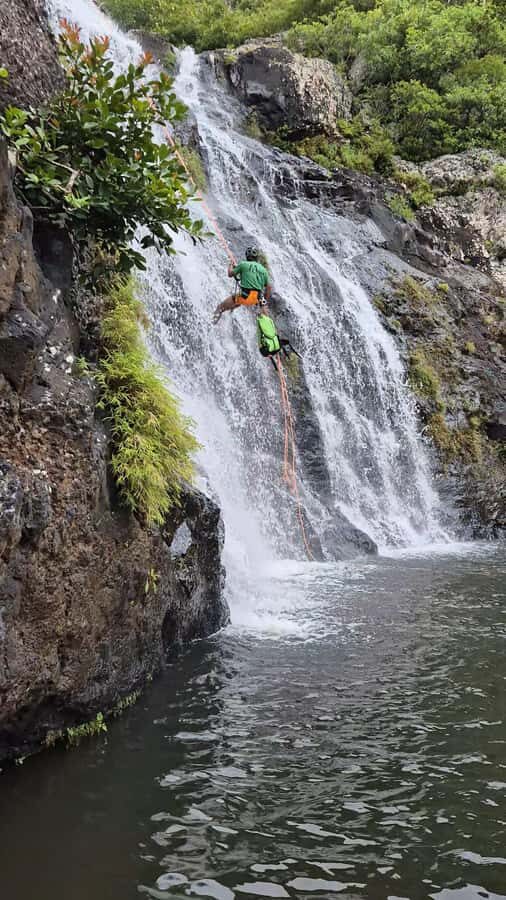
This is an action day, not a long hike disguised as adventure. You’ll gear up, get briefed, then spend your morning doing controlled descents off canyon walls over a 3-hour session at Tamarind Falls / 7 Cascades.
The emotional arc is pretty clear: at first you’re thinking about the rope, the harness, and that step where you commit. Then you start trusting the system. By the time you’re repeating the motions—check your position, relax your grip, control your descent—you stop fighting the fear and start enjoying the views, the water sounds, and the teamwork with your guide.
If you’re the kind of person who likes learning by doing, this format is ideal. You don’t just watch safety instructions from the back row. You put it into action right away, with certified support and continuous supervision.
You can also read our reviews of more tours and experiences in Mauritius.
Meeting at Henrietta Cemetery (9:30 a.m.) and the walk-in rhythm
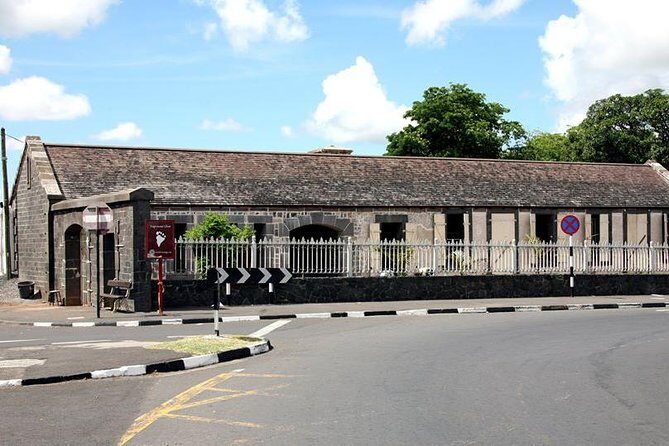
You meet at the start of Henrietta Cemetery. Look for the grey wall on the left and a sugarcane field on the right. It’s also set up so you can follow GPS, which helps when you’re arriving in Mauritius and trying to avoid the “wrong turn spiral.”
Start time is 9:30 a.m. After you meet the guides, you’ll follow their directions to park safely, then get equipped. The early portion is about getting everything right: fit, safety checks, and understanding what will happen next. The better you pay attention here, the smoother the abseiling feels later.
One more timing detail to plan around: after the main abseil/canyoning, there’s about a 20-minute hike to reach the car parking. The activity itself ends back near the meeting point, but that short walk-out is part of the experience, not an optional extra.
Gear, briefing, and safety checks that actually matter
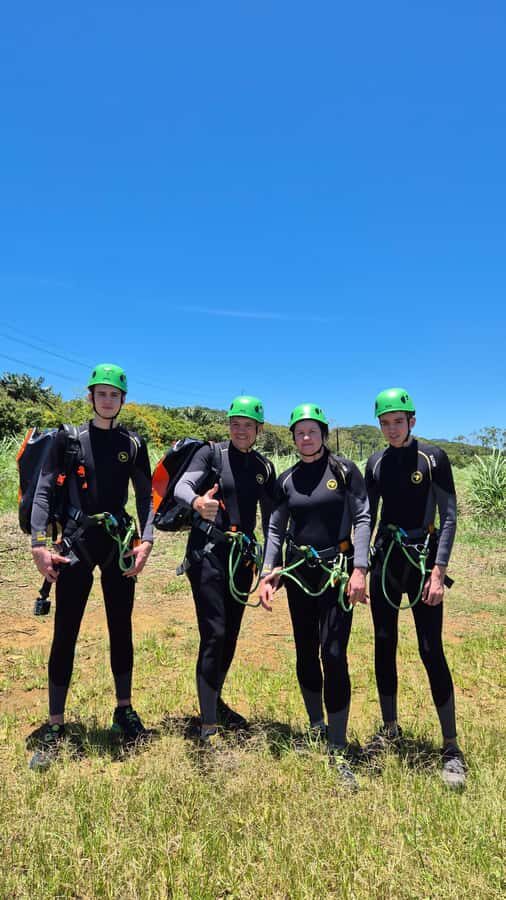
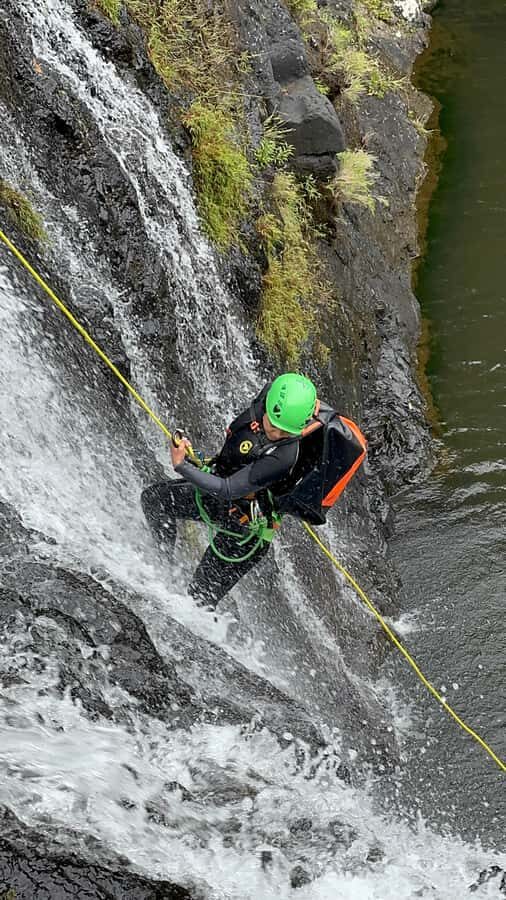
This is not a “good luck” adventure. The day is built around safe equipment and a real briefing. You’ll cover the basics first—what the canyon gear, ropes, and harness will be used for—then you’ll suit up.
You should expect:
- A wetsuit and life jacket
- A waterproof bag/container for safety (so your phone and small stuff aren’t soaking in the spray)
- Continuous monitoring by certified instructors
What you personally bring is simple, but don’t assume you can show up empty-handed. Water isn’t included, and shoes aren’t included either. You’ll want comfortable footwear with enough grip for wet ground. Also plan on getting wet—bring a change of clothes for after.
What’s not allowed is clearly listed:
- No alcohol or drugs
- No slippers
- No bare feet
That last one matters more than it sounds. Wet rock and slick areas punish bare feet fast, and the safety setup expects you to be in proper footwear.
The abseil heights: 10m, 15m, and 25m descents
The core action comes in steps: you can do 10m, 15m, and 25m abseils. You’ll move through these with guidance, so it’s not just one giant leap into the deep end. For beginners, that staged progression is a big deal.
Here’s how to think about each level:
- 10m is the confidence builder. It teaches you how to trust the harness and rope system while your body learns the rhythm of descent.
- 15m starts to feel more physical. Your focus needs to be sharper, and your breathing matters more.
- 25m is the “okay, this is real” moment. You’ll likely feel it in your legs and your head will do a quick inventory of danger—then your guide’s coaching and the safety setup help you settle.
If you’ve never done anything like this, don’t try to force bravery. Instead, do the boring thing that works: keep your eyes on your guide’s cues, control your body, and let the system do its job.
From the reviews, the guides stand out for making people feel at ease during the scary parts. Freddy and Jees (and also Ben appears as a guide in some groups) are described as experienced, funny, and very focused on reassurance. That kind of energy is not “extra.” It directly affects how well you perform on the rope.
Optional cliff jumps: when you want a little chaos
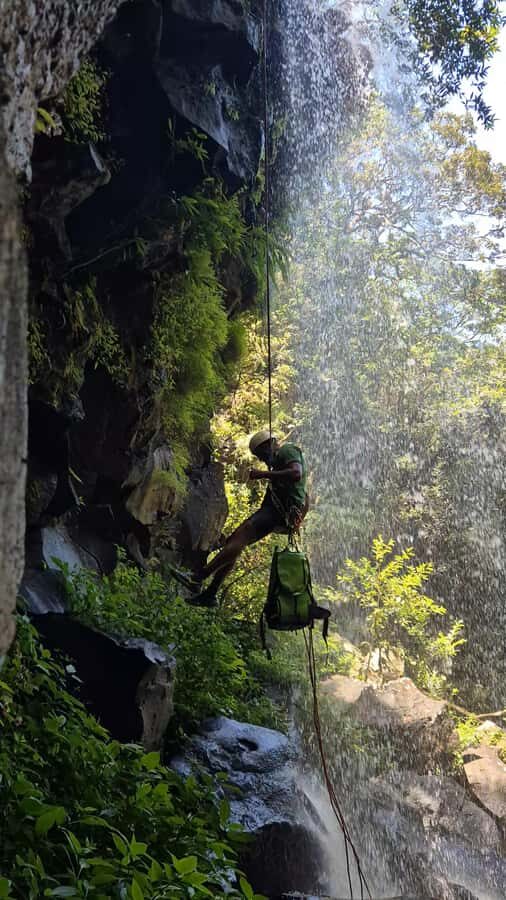
The activity includes optional cliff jumps if you want additional thrill. These are not described as a separate add-on that you figure out on your own. Instead, the day is run with monitored instruction, so the jump decision stays within the safety framework.
Should you do it? If heights don’t usually bother you and you’re in decent fitness, it can be a fun adrenaline peak. If you’re still warming up to the abseiling, you can treat the jumps as optional without guilt.
How to decide fast in the moment:
- If you feel calm and steady during the abseil, you’ll likely be able to commit to the jump.
- If you’re struggling to relax on the rope, it’s okay to pass. You’ll still have the waterfall action and the core rappels.
And yes, you’ll get that “I can’t believe I just did that” feeling either way.
The 55m waterfall moment and the hike back out
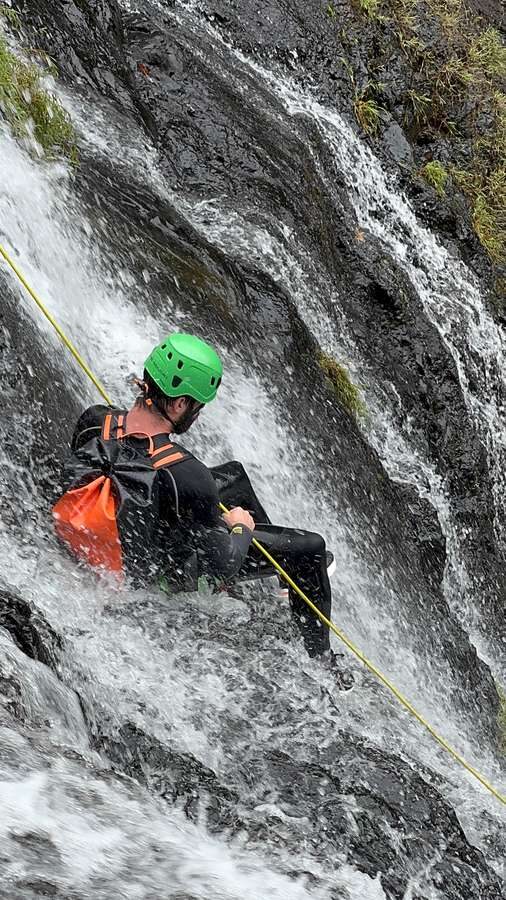
After the abseiling/canyoning sequence, you get a special payoff. The day includes a last big waterfall drop area, where you can see the 55m waterfall from the top before you head toward the exit route.
That top view is more than a scenic bonus. It gives you context. Before you’re sliding down, you understand what you’re working toward—how much water, how high the fall, and why the descent feels dramatic when you’re right in it.
Once you finish the main activity, there’s that 20-minute hike to reach the car parking. You’ll end back near the meeting point, so the day closes where it started. This walk-out is a normal part of the experience, not a long endurance test, but it does mean you should expect to be tired.
Food, photos/videos, and the small-group vibe
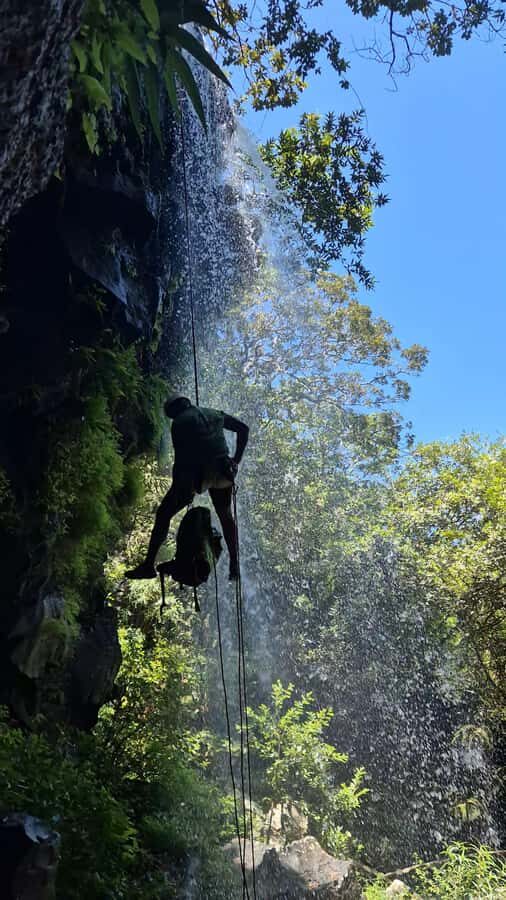
One of the best practical touches is that you don’t leave hungry or empty-handed. You get local food and snacks, plus fruits, and you’ll have photos/videos offered so you can relive the day later.
In the reviews, guides are praised not just for safety but for the atmosphere. People highlight singing, joking, and explaining things in an easy way. That matters because a calmer group is easier to manage. It also makes beginners more confident. When the guide keeps the mood light while still doing safety checks, you’re less likely to freeze at the rope.
Another thing I appreciate: the group size seems intentionally kept small. You may see groups around 2–4, with a maximum around 6. Small groups mean less waiting, more attention from the guides, and fewer people to juggle when someone needs extra reassurance.
There’s even mention of a surprise snack at the end of the experience, which fits the overall theme: you’re not just doing stunts. You’re being looked after.
Price ($140) and what you really get for your money
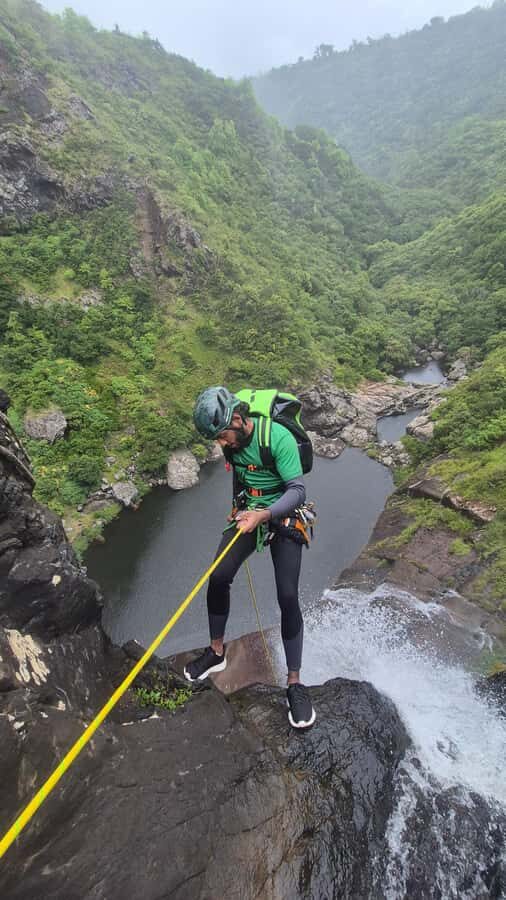
At $140 per person, this sits firmly in the “activity day with proper gear” category. The value comes from what’s included, not from the sticker price.
What’s included:
- All abseil/canyon gear
- Local food and snacks
- Photos/videos
What’s not included (and you’ll want to budget for it or pack it):
- Transportation
- Shoes
- Water
- Sunscreen
- Mosquito repellent
So you’re paying for an instructor-led, gear-heavy canyon session with real equipment and guided oversight. That’s usually what makes these days worth it—especially if you’re new. Buying or renting full gear and finding certified instruction on your own would be time-consuming and not nearly as reliable.
If you’re comparing costs, treat this like a guided gear package plus instruction plus water-feature time. Then add what you personally need (shoes, water, sun and bug protection). When you do that, $140 starts to look pretty fair for what you get: safe rappels, options to add jumps, and food plus media.
Who should do this, and who should skip it
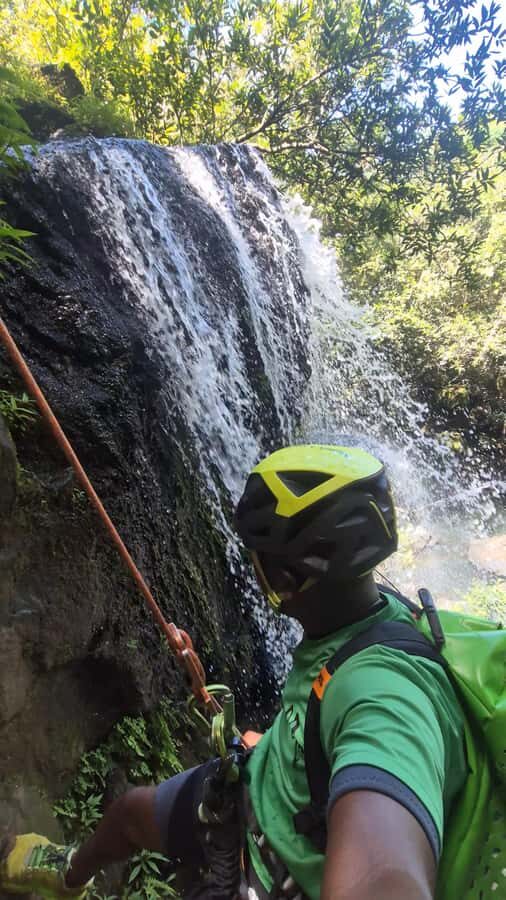
This experience is suitable for beginners, and the route is designed for first-timers. But it still has real physical and mental requirements because it involves rope work and exposure.
It is not suitable for:
- Pregnant women
- People with back problems
- Wheelchair users
- People afraid of heights
- People with vertigo
- People with high blood pressure
- People with low level of fitness
That list isn’t there to scare you. It’s there to prevent risky situations and to keep the activity enjoyable for everyone.
If you’re unsure, do this simple self-check:
- Can you walk on uneven, wet ground for short stretches?
- Can you follow instructions quickly under stress?
- Can you handle being suspended by a harness near open space?
If the answer is yes, you’re probably in the right place.
Also, the booking confirmation requires you to send age, height, and weight. That’s normal for safety and gear fitting. Don’t treat it like a formality—get the details right so they can assign the right setup.
Practical packing tips so you don’t lose the fun
Think “wet adventure, then normal human life again.”
Bring:
- Comfortable shoes (since shoes are not included and bare feet are not allowed)
- Swimwear
- Change of clothes
- Drinks / water (not included)
- Sunscreen
- Insect repellent
- Mosquito repellent and sunscreen are specifically called out, so don’t guess
- Anything you’ll want dry later
Also, plan to arrive ready. Slippers and bare feet aren’t allowed, and your day involves water, so you want footwear that feels secure.
Language is covered too: guides speak English and French, so you won’t be stuck if you don’t do French.
Should you book Tamarind Falls abseiling with Motrek Adventures?
If you want a guided adventure day with real ropes, real waterfalls, and certified oversight, this is a strong choice. The highlights hit the points that matter: 10–25m abseils, an optional cliff jump, and that big 55m waterfall payoff. Add small-group coaching, plus local snacks and photos/videos, and you get a full package rather than a bare-bones stunt.
Don’t book it if you fall into the listed “not suitable” categories—especially fear of heights or vertigo. And don’t underestimate the need for fitness and good footwear. This is beginner-friendly, but it’s still a canyon day.
If you match the fitness/comfort basics, you’ll likely walk away with that rare combo: a story that sounds unreal, and the confidence that you did it with real safety behind you.
FAQ
How long is the abseiling/canyoning activity?
It’s a 3-hour activity.
Where do we meet for Tamarind Falls abseiling?
Meet at the start of Henrietta Cemetery. Look for the grey wall on the left and the sugarcane field on the right.
What heights are included for abseiling?
Abseiling can be done at 10m, 15m, and 25m.
Are cliff jumps included?
Cliff jumps are optional for an added thrill.
What’s included in the price?
Included are the abseiling/canyoning gear, local food, and photos/videos.
What should I bring, and what isn’t allowed?
Bring comfortable shoes, change of clothes, drinks/water, sunscreen, and insect repellent. Not allowed are alcohol and drugs, slippers, and bare feet.
Is it suitable for beginners?
Yes, it’s described as suitable for beginners.
What languages are spoken by the guides?
The activity is offered in English and French.
What is the cancellation policy?
You can cancel up to 24 hours in advance for a full refund.