REVIEW · PORT LOUIS
Port Louis: Northern Treasures Private Tour
Book on GetYourGuide →Operated by Destination Soleil · Bookable on GetYourGuide
Port Louis is a small city with big stories. On this private 7-hour day trip, I love how you stack Pamplemousses Botanical Garden beauty right next to street-level market life, all with a guide who keeps the pace easy. You’ll also get real photo moments in the city center, not just quick bus stops.
My second favorite part is the hands-on feeling of the markets and harborfront area—fruit, spices, textiles, and local crafts you can actually see and point at. One thing to plan for: if the day runs smoothly, you may finish a bit earlier than expected, so don’t schedule your next commitment too tightly.
In This Review
- Key Highlights You’ll Actually Care About
- Port Louis in One Day: Mahe de Labourdonnais to the Citadel
- Fort Adelaide Views: When the City Turns Into a Map
- Central Market + Bazaar: What You’ll See, and What It Means
- Caudan Waterfront: Harborfront Browsing Without the Guesswork
- Pamplemousses Botanical Garden: The Plants That Earn Their Fame
- A garden day tip that helps
- How the Private Format Changes the Day (For Better and Worse)
- Price and Value: $143 for a Full Circle of Port Louis
- Who This Tour Fits Best
- Practical Advice Before You Go
- Should You Book This Port Louis Private Tour?
Key Highlights You’ll Actually Care About

- Fort Adelaide (Citadel) for sweeping views over almost the whole city
- Central Market (Bazaar) to see everyday Mauritian life and shop for spices, textiles, and pashmina
- Caudan Waterfront with a craft market and lots of local designers to browse near the harbor
- Sir Seewoosagur Ramgoolam Botanical Garden (Pamplemousses) dating back to 1735
- Talipot palm and its famously slow bloom cycle, plus giant water lilies
- Private guide + hotel pickup so you’re not wasting time figuring out routes
Port Louis in One Day: Mahe de Labourdonnais to the Citadel
Port Louis is Mauritius’s capital, and it has a “started long ago” vibe. The city traces back to its founding in 1735 by Mahe de Labourdonnais, and that timeline helps you understand why different styles of buildings and fortifications sit side by side.
Your day is built to get you oriented fast. You begin with the Fort Adelaide, also called the Citadel, built by the English in 1835. This isn’t just a photo wall. It’s a strategic viewpoint that explains why the fort mattered, and once you’re there, the rest of the city makes more sense.
You can also read our reviews of more private tours in Port Louis

Fort Adelaide Views: When the City Turns Into a Map

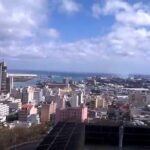
At Fort Adelaide, you get a view stretching over almost the entire city. That matters because Port Louis can feel compact and busy from street level. From the Citadel, you can pick out the “shape” of the place—where the harbor area sits, where major roads spread out, and how neighborhoods relate to each other.
If you care about photos, this is your best “reset” moment. Take your time here and then you’ll notice details everywhere you go next. If you only take pictures at the waterfront and in gardens, you miss the way the city lays out. From the fort, you don’t have to guess.
Central Market + Bazaar: What You’ll See, and What It Means
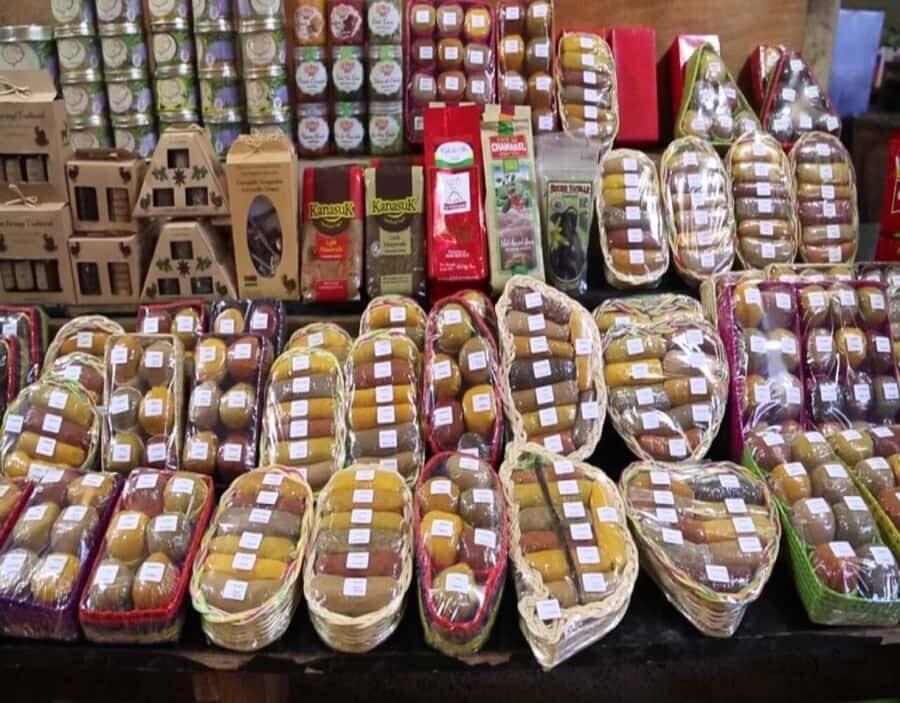
Next comes the central market, often called the bazaar. This stop is all about sensory variety and practical observation. You’ll see fruits and vegetables, but also smaller goods that tell you a lot about daily life on the island—scent sticks, spices, and textiles like pashmina and linen.
Why I like this market stop for a private tour: your guide can explain what you’re looking at and how locals think about these products. The market isn’t just for shopping. It’s a cultural snapshot. Even if you don’t buy much, you’ll come away understanding which items are common, what’s traded often, and how the stalls are organized.
Practical note: the market is a good place to buy small gifts. If you’re planning to pick up spices or scent sticks, keep in mind they can be strong-smelling and you’ll want secure bags in your daypack.
Caudan Waterfront: Harborfront Browsing Without the Guesswork
After the bazaar, you head to the Caudan Waterfront, a modern precinct facing the harbor. Here, the feel shifts from market stalls to retail browsing, with about 170 boutiques in the area.
The craft market is an open bazaar inside the Waterfront area. It’s a nice mix: you’ll find souvenirs and handmade items alongside spices and basketry. The best part is the setting. You’re walking near the water, so you get a change of scenery from the older, more street-style market environment.
This stop works especially well if you want a few things that don’t require heavy shopping stamina. You can skim, compare, and decide what’s worth your money without feeling trapped in one stall for an hour.
Pamplemousses Botanical Garden: The Plants That Earn Their Fame
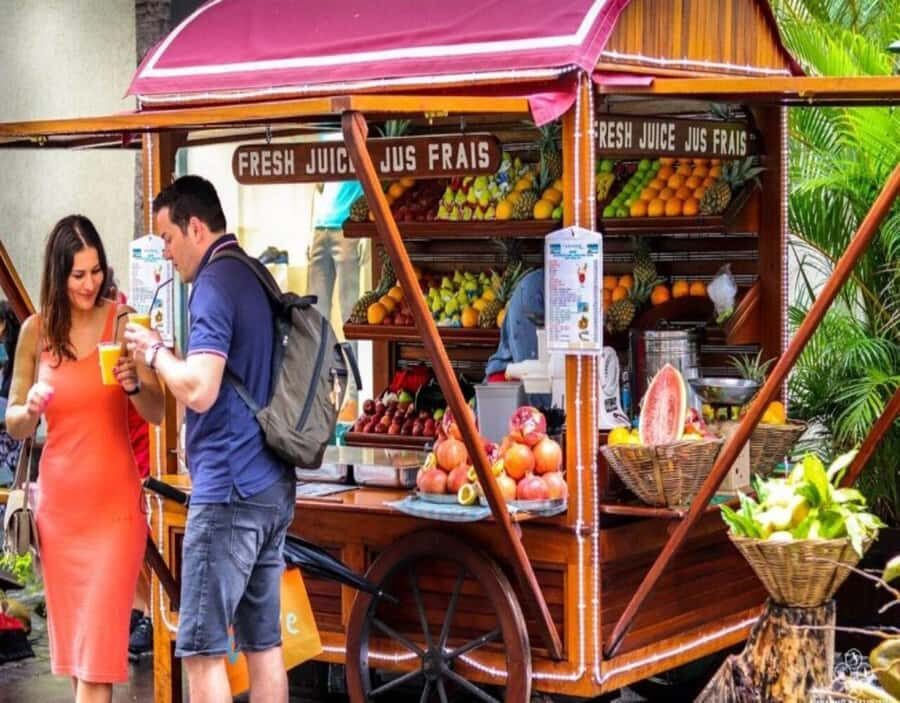
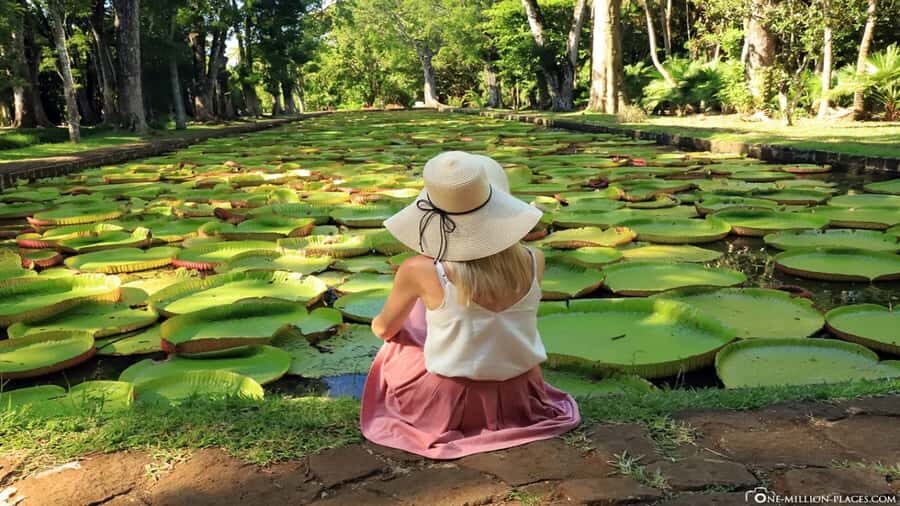
Then you get to the main nature highlight: Pamplemousses Botanical Garden, also renamed Sir Seewoosagur Ramgoolam Botanical Garden. This is the kind of garden that earns a reputation. It dates back to 1735 and is described as the oldest botanical garden in the southern hemisphere.
What makes it memorable isn’t just age—it’s the variety and the surprises. You can expect giant water lilies, plus rare plants associated with the Mascarene region. You’ll also see attention-grabbing trees and palms, including the baobab and giant palms.
One plant in particular tends to get people talking: the Talipot palm. Its flower cycle is slow—its bloom reportedly happens after about 50 years—so when it’s in flower, it’s a big deal. Even when it’s not, the idea alone helps you appreciate how this garden is designed around long-term plant life, not quick seasonal showmanship.


A garden day tip that helps
Wear shoes you can walk in comfortably. Even with a guided route, botanical gardens are spread out and you’ll likely move more than you expect over a 7-hour day. If you’re planning photos, bring something with a strap or secure pocket for your phone/camera so you’re not constantly resetting your bag.
How the Private Format Changes the Day (For Better and Worse)

This is a private group tour with a live guide in English, French, Hindi, or Arabic. That matters because a private format is really about control. You can ask questions as you go, and you’re not limited to the exact pacing of a larger group.
The guides on this experience seem to be a big part of the enjoyment. People highlight strong explanation skills and excellent driving—names like Sailen and Ibrahim come up, with praise focused on clarity and making the day feel comfortable from start to finish. In practice, it means you’re more likely to understand what you’re seeing instead of just collecting snapshots.
The tradeoff: because it’s private, the tour can feel faster if the timing works out. One experience noted the day finished close to two hours earlier than expected, and that’s a key consideration. If you’re the type who likes a packed schedule, you might want a cushion afterward.
Price and Value: $143 for a Full Circle of Port Louis

At $143 per person for 7 hours, the price is less about one location and more about how efficiently the day ties together. You get hotel pickup and drop-off, a live guide, and the entrance fee for the Pamplemousses garden.
Food is not included, so you’ll need to budget for lunch or snacks. That’s the main cost you should plan for beyond the tour fee. The good news is that you’re going to be in areas where lunch options tend to exist, and the garden area specifically is where a lot of people choose to eat. For example, one stop people talk about is a table d’hôte at Chez Tante Athalie in Pamplemousse. Since food isn’t included, treat it as a suggestion for your own planning rather than a guaranteed inclusion.
If you’re deciding whether this tour is worth it, here’s the simple math I use:
- You’re paying for transport + guidance and the garden entrance.
- You’re not paying extra for entry at the garden (that fee is included).
- You’re paying your own way for meals.
For many people, that’s a fair structure—especially if you hate negotiating transport on your own in a place you’re only seeing for a day.
Who This Tour Fits Best

This one is best if you want a balanced day: capital city landmarks, a true local market experience, a harborfront browsing stop, and a world-famous garden.
It also fits well if you’re the type who likes learning while you walk. Fort Adelaide sets the stage with the city overview, the markets translate daily culture into real objects, and the garden shows you plant life in a way that feels both historic and specific.
Two groups should reconsider:
- If you have mobility limitations, this is not suitable for people with mobility impairments.
- If you need your schedule to be extremely tight with zero flexibility, the day length can vary in practice, so build in buffer time.
Practical Advice Before You Go

You’ll start with pickup from your hotel meeting in the lobby, and the whole tour runs about 7 hours. The guide language options are broad (English, French, Hindi, Arabic), which is useful if you want to make sure communication stays smooth.
Bring:
- Comfortable walking shoes
- Sun protection (Port Louis and garden weather can be bright)
- A plan for lunch since food and drinks aren’t included
- A way to carry purchases from the market and crafts area
Also, a small mindset shift helps: treat the day as “three neighborhoods plus one nature highlight.” Each area has a different rhythm, and if you respect that, you’ll enjoy the pace more.
Should You Book This Port Louis Private Tour?
I’d book it if you want an efficient, guided way to see the best mix of Port Louis: Citadel views, market culture, harborfront craft browsing, and the legendary botanical garden—without spending your day figuring out routes.
Skip it or think twice if your schedule is rigid, because the day can run shorter than you expect. And if mobility is a concern, this tour isn’t designed for that.
If you want one private day that gives you both street-level texture and serious plant-world wow factor, this is a strong choice.