REVIEW · PORT LOUIS
Cultural Delights & Heritage Treasures in the City
Book on GetYourGuide →Operated by Axies Travel · Bookable on GetYourGuide
A short walk, big stories in Port Louis. This 2-hour guided circuit strings together Aapravasi Ghat UNESCO and Jummah Masjid with Chinatown and the Central Market, so you see Mauritius through religion, migration, and everyday life. I like the stop-by-stop explanations from an expert guide and the chance to taste local favorites like dholl puri and alouda, but the one possible drawback is that you’ll be on your feet for a tight schedule.
I also appreciate the small group size (up to 10), which makes it easier to ask questions and get real context, not just dates. The tour is English and French with a live guide, and it’s designed for an easy hit of major sights plus food—without turning your day into a full production.
In This Review
- Key highlights I’d prioritize
- Port Louis Culture in Two Hours: What You’ll Actually See
- Aapravasi Ghat UNESCO Site: Mauritius’ Turning Point
- Jummah Masjid: Religious Diversity You Can See, Not Just Read About
- Chinatown Heritage: Cultural Life in Plain View
- Central Market and Street Food: Dholl Puri, Alouda, and Tamarin Juice
- Guide Quality Matters: What the Reviews Really Point To
- Price and Value of a $53, 2-Hour Cultural Walk
- Logistics That Affect Your Day (Without Making It Complicated)
- Who This Tour Suits Best
- Should You Book This Port Louis Heritage Tour?
- FAQ
- FAQ
- How long is the cultural tour in Port Louis?
- What price is this tour?
- What sites and areas are included in the tour?
- Is hotel pickup or drop-off included?
- Is lunch included?
- What languages are the guides speaking?
- Is the tour wheelchair accessible?
- What is the group size?
- What should I bring and are there cancellation options?
Key highlights I’d prioritize
- UNESCO first stop, practical context: You start at Aapravasi Ghat, then connect the site to what you’ll see later around town.
- Religious diversity on one route: Jummah Masjid adds an important layer to the story of Port Louis.
- Chinatown culture you can actually observe: Not just photos—this is about heritage in daily life.
- Central Market with real street-food focus: You’ll get to sample foods like dholl puri, alouda, and tamarin juice.
- Small group, Q&A friendly pace: With a max of 10, the guide can slow down when questions pop up.
Port Louis Culture in Two Hours: What You’ll Actually See
If you only have a morning or afternoon in Mauritius and you want more than postcard sightseeing, this is the kind of tour that works. It’s short—about 2 hours—but it’s built like a guided story: the past explains the present, and the present shows up in food, neighborhoods, and places of worship.
You’ll be moving through several recognizable parts of Port Louis, guided end-to-end by a local expert. And because it’s a small group (limited to 10 participants), the experience feels less like herding and more like a shared walk with an informed storyteller. The tour is offered in English and French, so you’re not stuck relying on guesswork.
The best part is that you’re not just ticking off monuments. The route is designed around the theme of Mauritius’ cultural roots—different communities, different religious landmarks, and the everyday market life that ties everything together. If you enjoy history that shows up in current street scenes, you’ll get a lot out of this.
You can also read our reviews of more city tours in Port Louis
Aapravasi Ghat UNESCO Site: Mauritius’ Turning Point
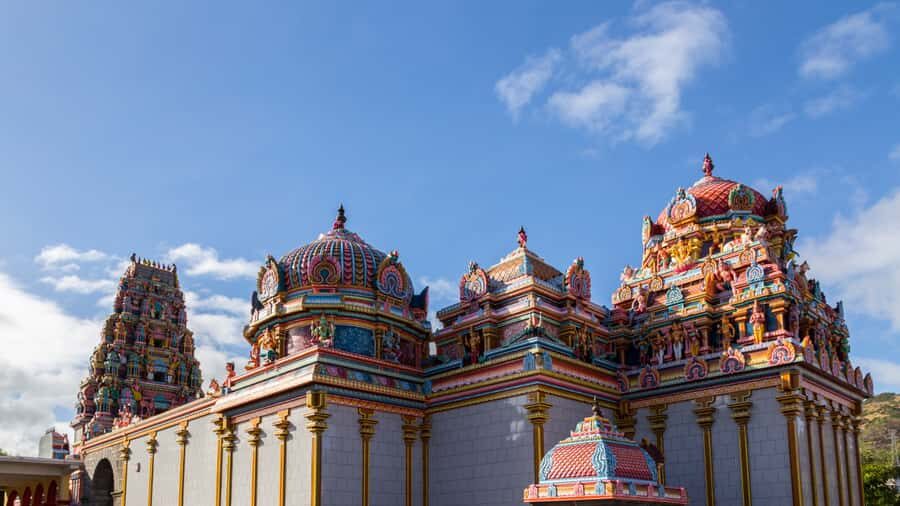
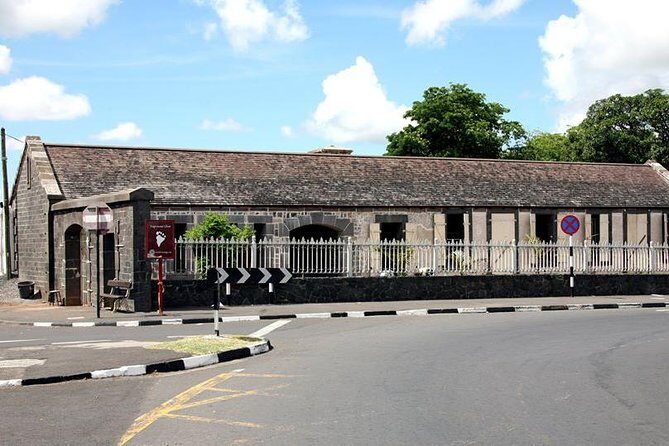
You’ll begin with Aapravasi Ghat, a UNESCO heritage site. Even if you’re not a museum person, this stop tends to click because it’s a place with real historical weight and a clear role in Mauritius’ story.
Why this matters for your visit: Aapravasi Ghat helps you understand why Port Louis looks and feels the way it does. Mauritius’ population and cultural makeup did not happen by accident. A good guide will connect the site to migration and community building, which then makes the rest of the tour easier to read.
What to watch for during this stop:
- Look for how the guide frames the site in simple, human terms.
- Pay attention to details you might miss if you’re just taking photos. The meaning usually sits in context, not in signage alone.
One practical note: since you’ll be starting your tour with a heritage site, bring a calm mindset. This is the stop where the guide sets up the story, so try to stay present and listen.
Jummah Masjid: Religious Diversity You Can See, Not Just Read About

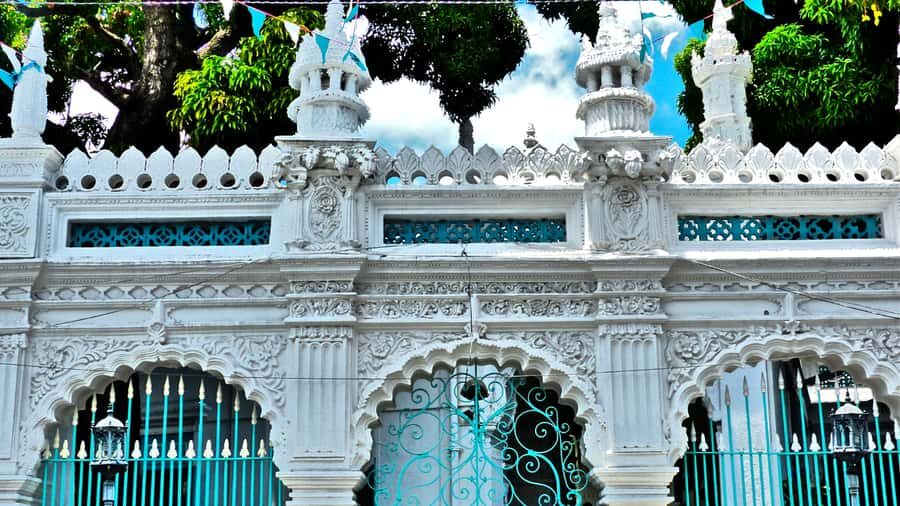
Next on your route is Jummah Masjid, described as a historic mosque. This is one of the best choices on the itinerary because it shifts the focus from heritage as an idea to heritage as a lived tradition.
Port Louis has multiple religious communities, and seeing a historic mosque during a guided walk makes that diversity feel real. It’s not just geography—it’s a cultural signal. A mosque like Jummah Masjid represents history, belief, and community continuity, all in one visible place.
What you’ll likely get from the guide here: clear explanations about how places of worship fit into the broader story of the city. If you’ve ever visited a religious site and felt like you were missing the meaning, this is where a strong guide makes a noticeable difference.
Tips for your visit:
- Keep your expectations flexible. Religious sites can come with rules and different levels of access.
- If the guide encourages respectful behavior or quiet observation, follow it. You’ll get more out of the visit.
Chinatown Heritage: Cultural Life in Plain View
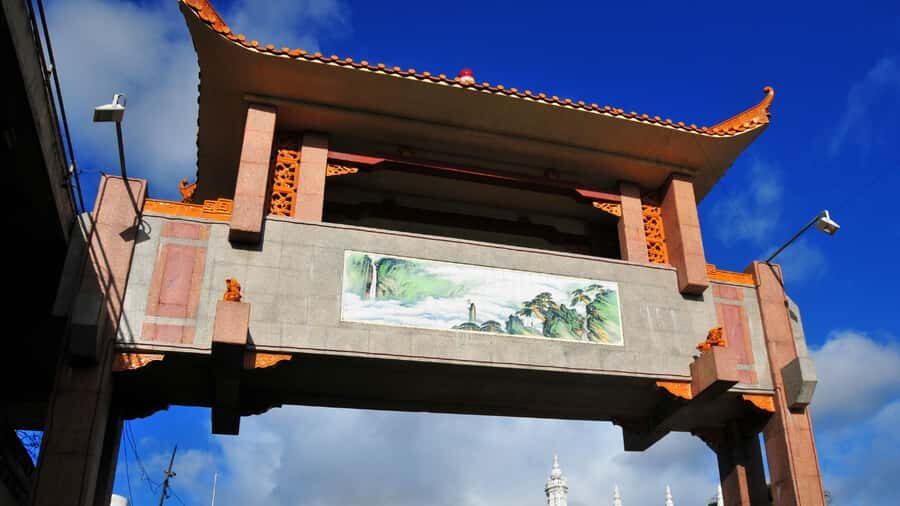
After the major heritage and religious stops, you’ll head into Chinatown, where the tour shifts to everyday culture. This isn’t presented as a theme park version of Chinatown. It’s more like a window into heritage through what people do and sell, and how the neighborhood keeps cultural identity visible.
You’ll also get the feeling that Chinatown isn’t separate from the rest of the city—it’s part of Port Louis’ overall mosaic. That’s exactly what you want from a short guided tour: you leave with a sense of how neighborhoods relate instead of treating them like isolated stops.
What to focus on in Chinatown:
- Food cues and shop signs, because they often tell you the story before you even ask.
- The way the guide connects heritage to what you’re seeing right now.
If you’re the type who likes to walk a little slower once you reach a market area, Chinatown is often where the tour’s pace becomes more enjoyable. It’s an easy place to ask questions because the environment is already full of answers.
Central Market and Street Food: Dholl Puri, Alouda, and Tamarin Juice
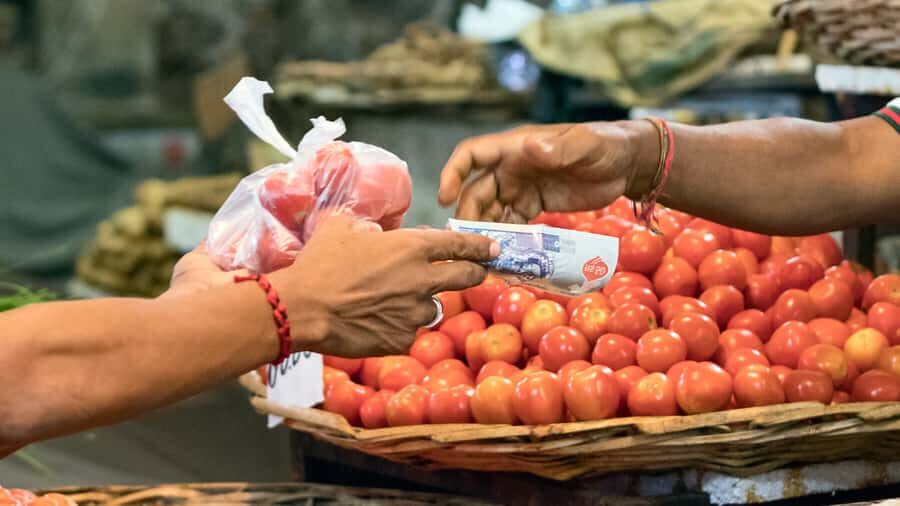
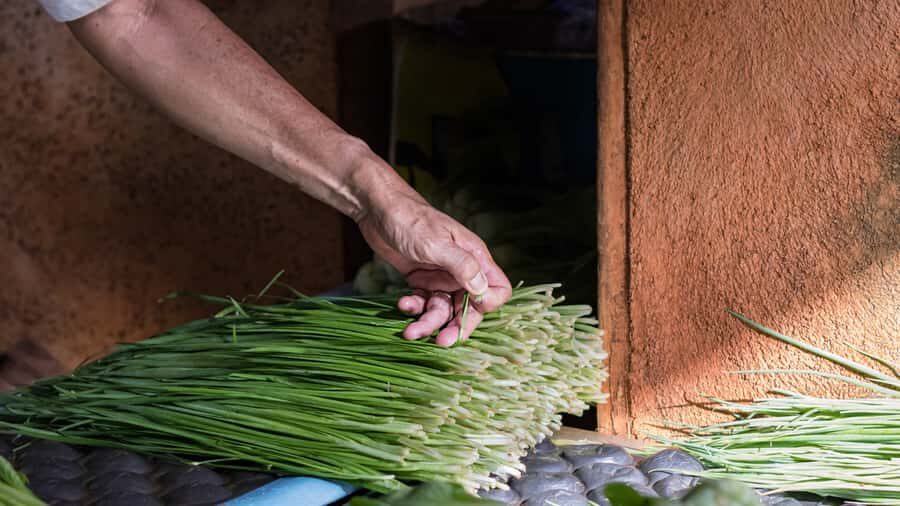
Then comes the part most people remember: Central Market plus Mauritian street-food tastes. You’ll get hands-on with flavors like dholl puri, alouda, and tamarin juice.
Here’s why this stop is valuable beyond taste: food is one of the fastest ways to understand culture. It shows you what people crave, how they gather, and which flavors carry tradition. In a short tour, a guided food moment helps you anchor the history you heard earlier.
What to expect:
- You’ll have the chance to taste street foods during the market portion.
- A good guide will help you understand what you’re eating, not just point and move on.
How I’d approach the tasting (so you get more, not just more food):
- Try one savory item like dholl puri if you’re hungry, then balance it with a sweet or refreshing option like alouda or tamarin juice.
- If you’re sensitive to spice, keep that in mind early. Market food can vary in heat, and you’ll have an easier time if you communicate once instead of guessing.
Also, small reality check: the tour does not include lunch. So if you’re doing this at a time when you’d normally eat a full meal, plan for the possibility you’ll want another bite afterward (or consider timing the tour between meals).


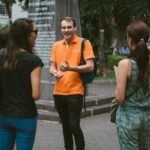

Guide Quality Matters: What the Reviews Really Point To
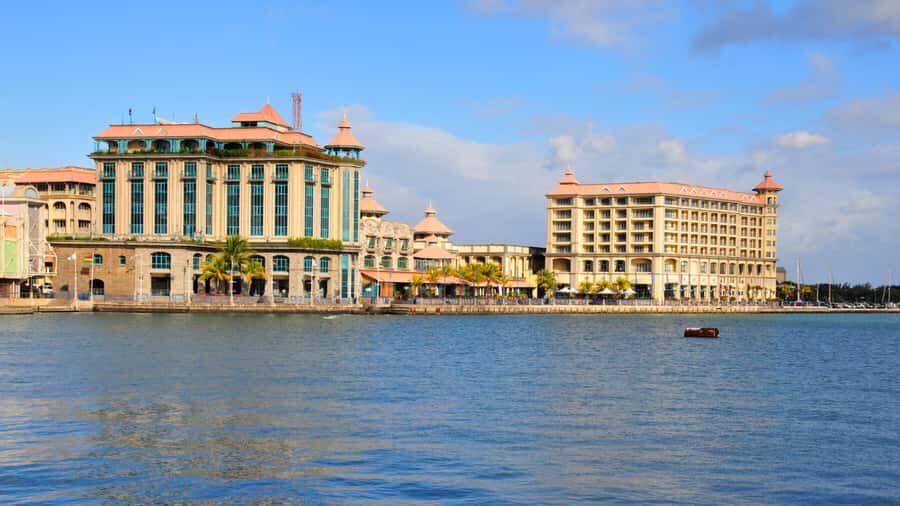
The guiding style is a big part of why this tour scores so well. The feedback you can rely on here is practical: the route works because the guide explains clearly, and the tour covers multiple key sights without feeling like random sightseeing.
You can feel that in the structure. You visit heritage sites and religious landmarks, then you move to neighborhoods and the market. That pattern only works if the guide connects the dots as you go. The descriptions also match the idea that you’ll get worthwhile context—not a list of dates, but explanations that make the places make sense.
A small group of up to 10 helps too. When you’re not surrounded by a huge crowd, you’re more likely to catch small details and ask questions that come up naturally when you see something new.
Price and Value of a $53, 2-Hour Cultural Walk
At $53 per person for 2 hours, this isn’t an all-day bargain. But it doesn’t need to be. You’re paying for a guided route that bundles several major stops in Port Louis, including a UNESCO site, a historic mosque, and both Chinatown and the Central Market—with a local expert guiding throughout.
Here’s how I think about value with tours like this:
- If you tried to do this yourself, you’d spend more time planning and less time learning the meaning behind what you’re seeing.
- The included tasting component (dholl puri, alouda, tamarin juice) adds real-world value because it’s part of the cultural context, not just a snack.
What you should consider before booking:
- Hotel pickup and drop-off are not included, so you’ll need to manage your own start and finish.
- Lunch is also not included, so this works best as a focused activity between meals rather than a full-day food-and-sights solution.
If you want a compact cultural overview with guided explanation, the price starts to feel fair fast.
Logistics That Affect Your Day (Without Making It Complicated)

This tour is built for a straightforward visit: you show up, follow the guide, and enjoy the stops in order. Still, a couple of practical points will help.
Bring water. It’s listed as what you should bring, and in a market and walking-heavy route, that’s not optional comfort—it’s smart planning.
Also note:
- The tour is offered with a live guide in English and French.
- The group is small and the duration is short, so wear shoes you can walk in comfortably.
And since there’s no hotel pickup, plan to arrive on time. With a 2-hour format, lateness doesn’t just add stress—it can shorten your time at key stops.
Who This Tour Suits Best
This experience fits well if you want cultural context, not just landmarks. I’d especially recommend it for:
- First-timers in Port Louis who want a smart orientation to the city’s cultural mix.
- Travelers who like religious and heritage sites paired with market life.
- People who enjoy food that comes with explanation—savory plus sweet drink options included.
If you’re traveling with someone who prefers long museum sessions or who wants free time to wander for hours, you may find the 2-hour structure a bit tight. But if you’re after a concentrated, guided overview, it’s a strong match.
Should You Book This Port Louis Heritage Tour?
I’d book it if your goal is simple: understand Mauritius through the places people live faith and community, then taste the food that shows up in daily life. The reason I’d feel confident is the combination: Aapravasi Ghat for historical grounding, Jummah Masjid for religious context, and then the city’s pulse through Chinatown and Central Market.
Skip it—or at least think twice—if you need hotel pickup, a full meal included, or lots of free time. This is a structured walk. It rewards attention and questions.
If you do book, show up ready to listen. The stops are good on their own, but the guide is what turns them into a story you’ll remember.
FAQ
FAQ
How long is the cultural tour in Port Louis?
The tour duration is 2 hours.
What price is this tour?
The price is listed as $53 per person.
What sites and areas are included in the tour?
The tour includes Aapravasi Ghat UNESCO heritage site, Jummah Masjid, Chinatown, and Central Market, with a guided tour of Port Louis.
Is hotel pickup or drop-off included?
No, hotel pickup and drop-off are not included.
Is lunch included?
No, lunch is not included.
What languages are the guides speaking?
The live tour guide is available in English and French.
Is the tour wheelchair accessible?
Yes, the tour is wheelchair accessible.
What is the group size?
The tour is a small group with a maximum of 10 participants.
What should I bring and are there cancellation options?
You should bring water. There is free cancellation up to 24 hours in advance for a full refund.