REVIEW · PORT LOUIS
Mauritius: Port Louis Street Food Walking Tour
Book on GetYourGuide →Operated by Destination Soleil · Bookable on GetYourGuide
Port Louis can look like just another busy capital at first glance. Then you follow the smells—fried, spiced, sweet—and suddenly the food tells a story you can actually taste. This Mauritius street food walking tour is built around that idea: you walk through real neighborhoods, stop at local food counters and the market, and learn how Gujarati, Indian, Chinese, and African influences shaped what ends up on your plate.
I love that the tour gives you a specific food route instead of vague sampling. You’ll get well-known staples like dholl puri and sweet favorites like jalebis, plus the more local snack side like gâteau piment (chili bites). I also like the pacing: it’s only 2 hours, it stays on foot, and the small group size (up to 10) keeps it relaxed enough to ask questions.
One thing to consider: this tour is not vegan and it’s also not designed for gluten-free diets. You’ll also want to plan for walking on uneven city pavement and bring sun protection, since it runs rain or shine.
In This Review
- Key things I’d bank on before you go
- Meeting Point at Le Caudan Waterfront: how the walk actually begins
- Port Louis streets on foot: what you notice beyond the menu
- The central market stop: where Mauritian flavors make sense
- Gâteau piment and the Gujarati influence: spicy, crunchy, and very specific
- Dholl puri: the comfort-food anchor of the route
- Jalebis: sweet, syrupy, and a reality check for your appetite
- Chinatown gates: Hakka Chinese flavors in a Mauritius setting
- About the tastings: why you get variety instead of repeats
- What the guide adds: food stories you can actually use
- Pace, comfort, and what to bring in real life
- Dietary limits: who this tour suits best
- Price and value: is $70 per person fair?
- Practical logistics that affect your day plan
- Should you book the Port Louis street food walking tour?
Key things I’d bank on before you go
- Start at Le Caudan Waterfront and then move away from touristy comfort zones fast
- About 8 tastings in a short 2-hour walk, including jalebis, dholl puri, and gâteau piment
- Central Market + Chinatown gates are both part of the food “why” behind the flavors
- Expect Indian (Gujarati influence) and Chinese (Hakka-style) dishes mixed into one route
- Guides I’ve seen named for this experience include Sailen and Christophe, both highlighted for clear food and city context
Meeting Point at Le Caudan Waterfront: how the walk actually begins
You’ll meet in front of the casino at the Le Caudan Waterfront area, opposite Café LUX, in Port Louis. That’s a practical choice: Le Caudan is easy to find, and you can get your bearings before your guide leads you into the parts of the capital that feel more day-to-day.
From the start, the tour’s vibe is simple: shoes on, water ready, and you’re walking to eat. In many food tours, the sampling feels like a string of quick stops. Here, the walking matters because it helps you see how people move between markets, counters, and small food streets—so the food context doesn’t feel like an afterthought.
Practical tip: if you’re coming from another part of town, give yourself extra time to arrive a little early. The meeting spot is clear, but it’s still a busy waterfront zone.
You can also read our reviews of more walking tours in Port Louis

Port Louis streets on foot: what you notice beyond the menu
The route takes you away from the “safe and familiar” feel of tourist-friendly spaces. That doesn’t mean it’s chaotic—it means you’ll be walking where locals actually go about their day, and that changes what you pay attention to.
Here’s what I think you’ll find yourself noticing quickly:
- How vendors set up their counters and keep food moving
- How different communities share the same city space, yet have distinct culinary signatures
- How the guide ties everyday streets to the food you’re about to eat
Because the group is limited (up to 10), the walk stays readable. You’re not stuck in a giant line. You can look at the stalls, listen for explanations, and keep up without feeling like you’re sprinting from one corner to the next.
Also, this is a weather-forced experience. It runs rain or shine, so bring sunscreen and a hat like you’re planning for sun, then be ready for sudden showers.
The central market stop: where Mauritian flavors make sense
One of the best parts of this tour is the focus on Port Louis’s local market. If you’ve ever tried to “google” street food in Mauritius, you’ll quickly realize this place doesn’t work like a single national cuisine. It’s more like a set of overlapping food traditions living side by side.
At the market, you’re not just picking food—you’re learning how people season, fry, and build flavor in everyday routines. The tour’s market focus is especially valuable because it helps you understand the logic behind the dishes. You’ll be able to connect the spice profiles, the textures, and the way fillings and wrappers get treated.
And yes, this is also where the eating ramps up.
Gâteau piment and the Gujarati influence: spicy, crunchy, and very specific

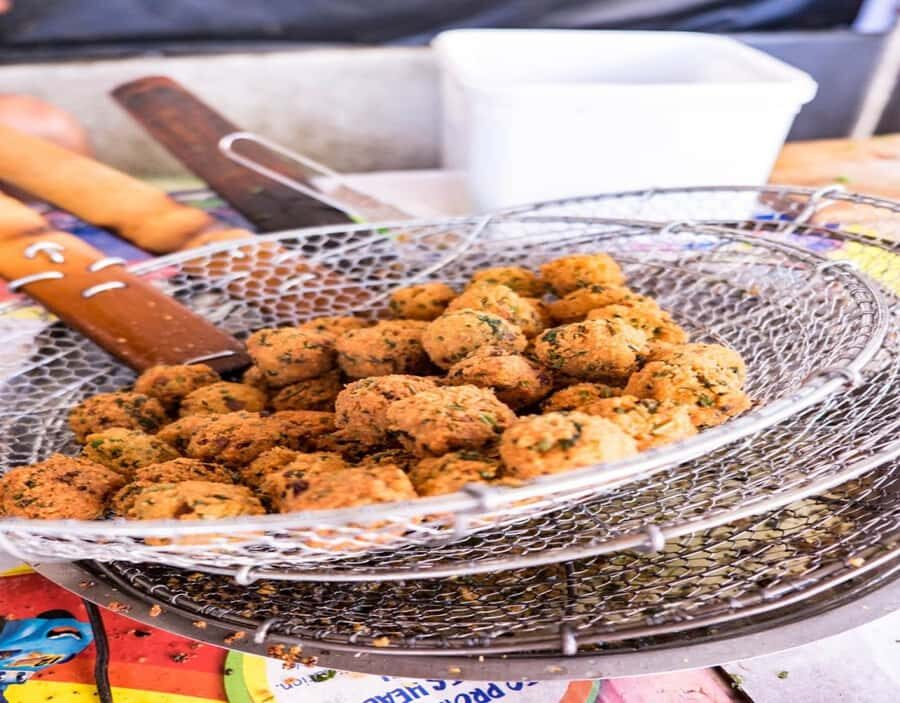
One of the dishes the tour highlights is gâteau piment, described as deep-fried chili bites. The key detail here is not just that they’re spicy. You’ll learn what’s going on inside the flavor: they’re made with soaked split peas and mixed with spring onions and green chilies, giving a punchy taste and a satisfying crunch.
Why that matters for your meal:
- Split peas bring a hearty, grounded base instead of just heat
- Spring onions and green chilies keep it sharp and fresh
- The deep-fried format turns it into a real snack, not a light bite
This is the kind of food stop that makes the tour feel worth the money. At $70 per person for about 8 tastings in 2 hours, you’re paying for access to the right places and for someone to explain what you’re eating. Without the guidance, you might still find gâteau piment, but you likely wouldn’t get the “why this tastes like it does” angle.
If you’re sensitive to spice, don’t worry—but do go in knowing that green chilies show up here for a reason.
Dholl puri: the comfort-food anchor of the route

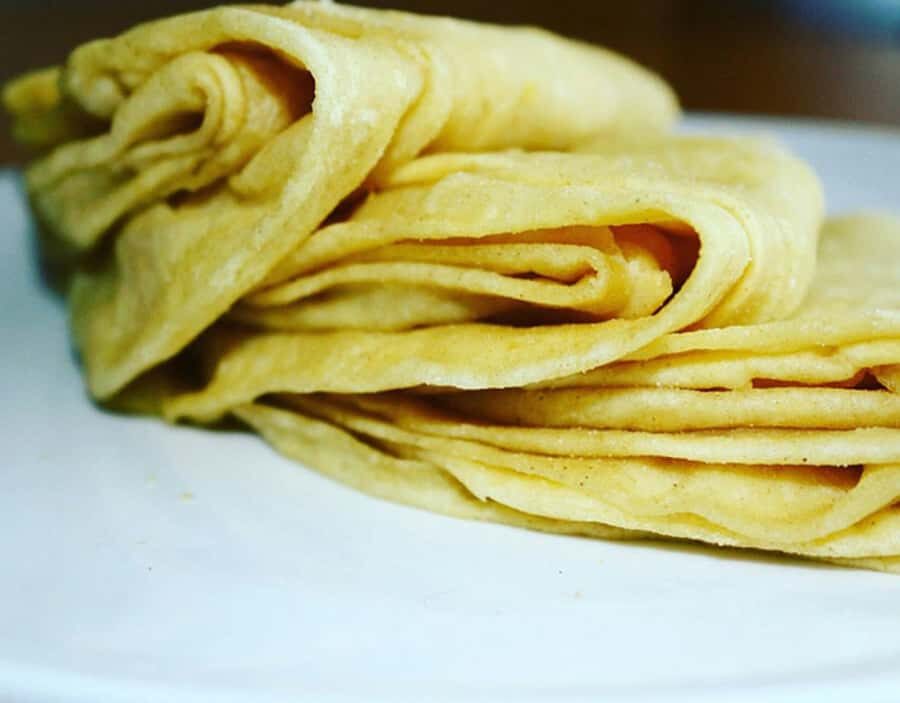
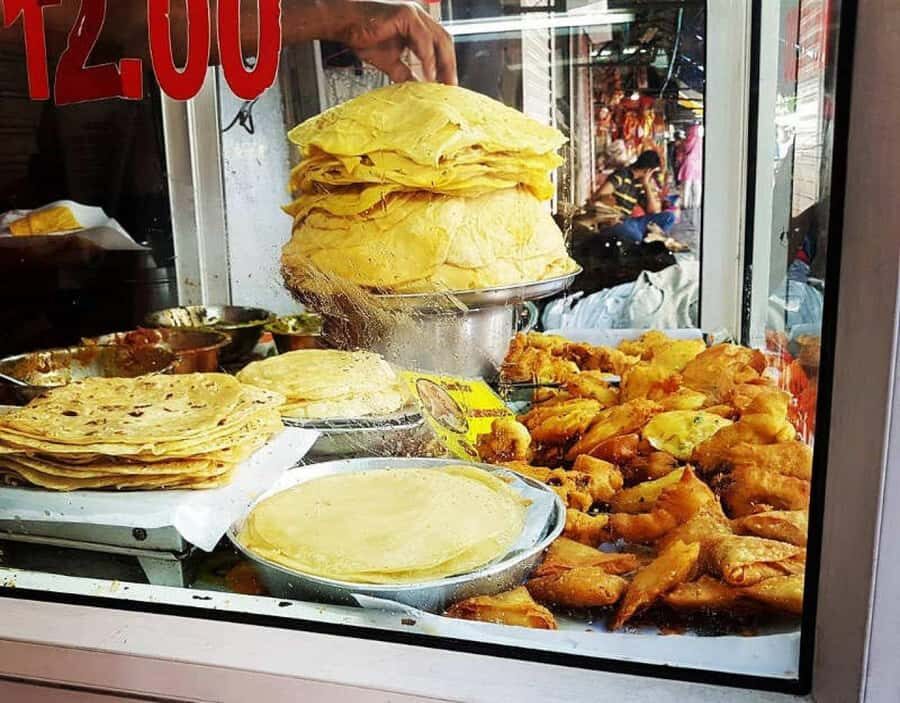
The tour includes dholl puri, and it’s a smart inclusion because it’s widely recognized as part of Mauritian street food life. Think of it as one of those dishes that tells you something practical: how locals build filling, how they balance textures, and how breakfast-and-lunch street food becomes a daily habit.
Even if you’re not someone who goes out of your way to order street sandwiches, dholl puri is a good anchor dish on this route. It helps you compare everything else you taste—sweet, fried, chili-forward, noodle-ish or pastry-like items later—back to a savory baseline.
You can also read our reviews of more food & drink experiences in Port Louis



Jalebis: sweet, syrupy, and a reality check for your appetite
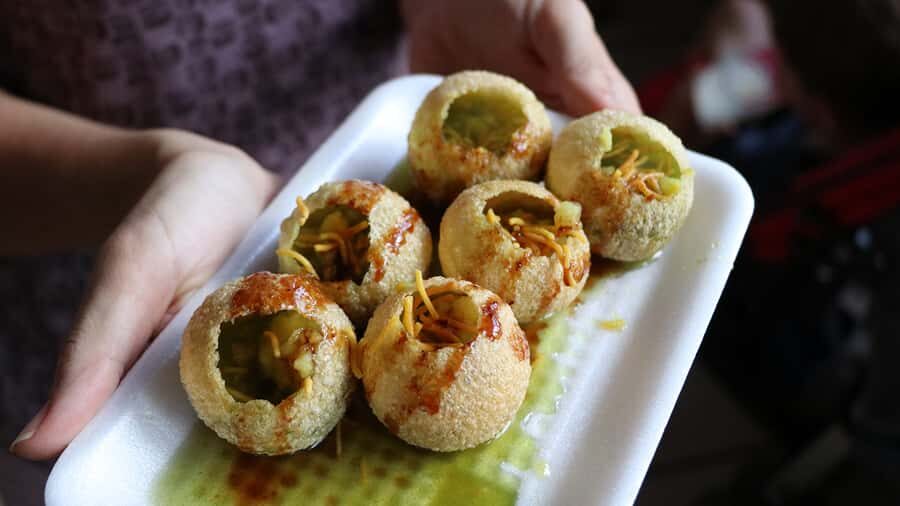
You’ll also try jalebis, which the tour frames as part of the sweet side of Port Louis. Jalebis are the kind of food that can be hard to describe until you taste them: crisp exterior, syrup soak, and a sweetness that lingers.
Here’s the key practical advice: don’t eat a huge meal right before this tour. People consistently point out that there’s a generous amount of food, and the tastings can add up faster than you expect. This is why I recommend arriving with an empty stomach or at least a light snack—your taste buds and your stomach will thank you.
Chinatown gates: Hakka Chinese flavors in a Mauritius setting
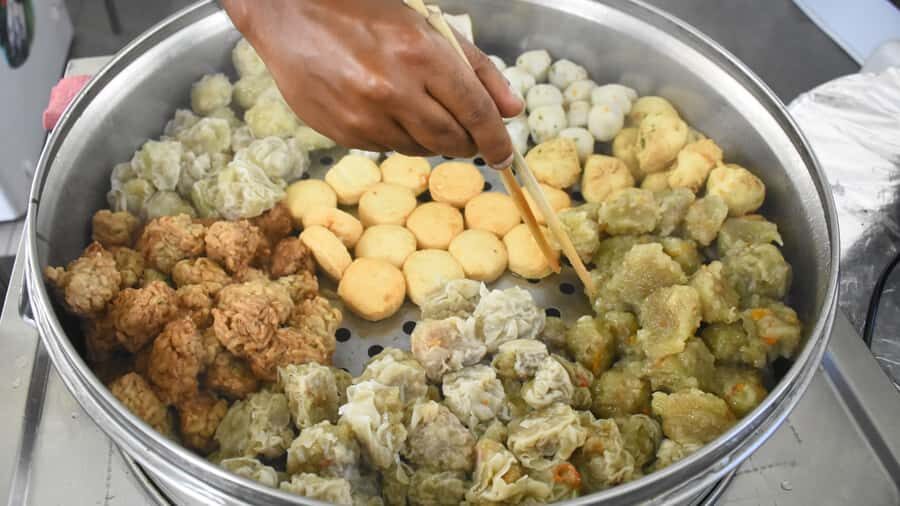
After the market, the tour moves toward the Chinatown area of Port Louis, described as traveling through the gates. That detail matters because the tour isn’t just saying Chinese food exists here—it’s guiding you into a specific neighborhood identity.
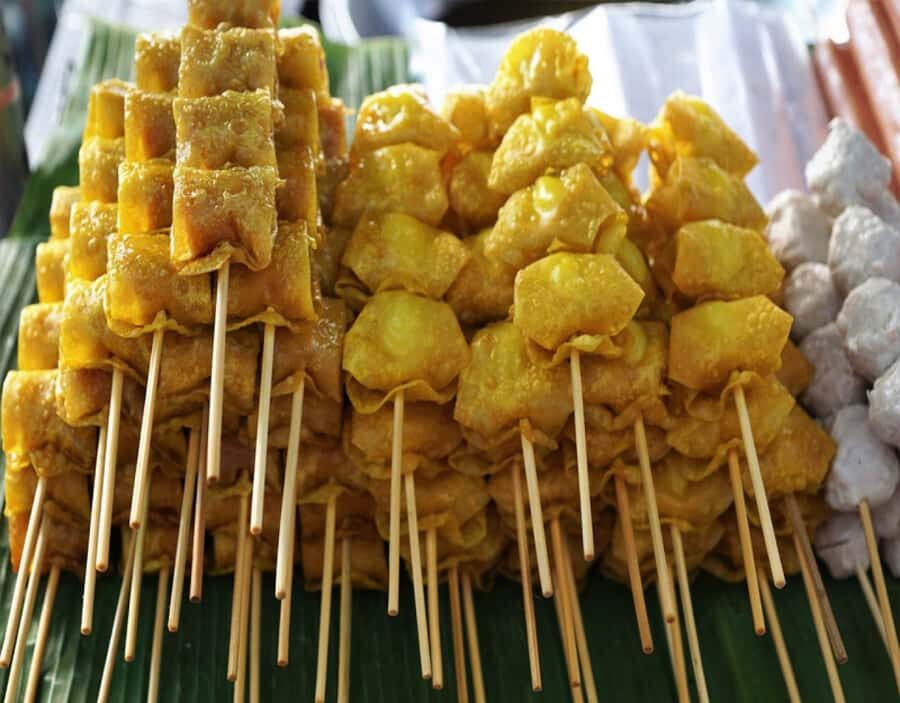
The tour focuses on treats derived from Hakka Chinese dishes. Hakka cuisine is known for its distinct approach to flavor and comfort, and on this tour you’ll feel that difference in the types of items that show up in the tastings.
You can expect the guide to connect what you’re eating to cultural influence—how communities brought techniques, then how Mauritius shaped them into local versions. That’s the biggest “tour value” element here: you’re not just eating; you’re learning how food travels and transforms.
About the tastings: why you get variety instead of repeats

The tour includes approximately 8 tastings plus a bottle of water. Even with only a couple of named dishes (like jalebis and dholl puri), you can infer what the rest of the tastings are meant to do: cover the main flavor “lanes” in a short walking window.
In my view, variety is where walking food tours win. If every stop was the same style of fried snack, you’d feel full fast and learn less. Instead, you’re tasting multiple textures and sweetness levels, so the cultural connections land more clearly.
This tour also stays small, with a group capped at 10 participants, which helps with the flow. Short lines at stalls happen, and a large group would make it slower. Here, it stays manageable.
What the guide adds: food stories you can actually use
Guides are a major part of the appeal, and names come up for different runs—Sailen and Christophe are specifically mentioned for being friendly, informative, and for linking food choices to Mauritius history and culture.
Here’s what that means for you on the street:
- Explanations are tied to what you’re eating right then
- You get a quick framework for why Indian, Chinese, and African influences show up together
- You’re encouraged to ask questions and keep pace without feeling rushed
If you enjoy learning while you eat, this is one of the better formats: you don’t need a classroom. You’re walking, tasting, and absorbing through real daily life in Port Louis.
Pace, comfort, and what to bring in real life
The tour runs for 2 hours and is a walking experience. That’s short enough to fit into a day plan, but long enough that comfort matters.
Bring:
- Comfortable shoes (pavement and sidewalk edges can be uneven)
- Hat and sunscreen (sun is a serious factor here)
- A mindset that you’ll likely want to stop and eat immediately when offered
If you’re the type who gets grumpy when you’re hot, plan for it. One review noted the heat and humidity could make footpaths feel harder to navigate, and you’ll want to protect yourself.
Also, wear layers if you’re sensitive to temperature shifts. Market areas can feel hotter, and shade can be limited.
Dietary limits: who this tour suits best
This is where you should be honest with yourself before booking.
Not catered for:
- Vegan diets
- Gluten-free needs
- People with gluten intolerance
That doesn’t mean you can’t request minor changes, but you should treat this as a food experience built around traditional dishes that likely contain ingredients you avoid. If you eat vegetarian sometimes, you might still find several tastings workable, but the tour itself is not positioned as a vegetarian service.
Best fit:
- You like street food and want to try foods you might not pick on your own
- You’re curious about culture and how cuisine reflects history and migration
- You can handle spice and fried snacks in one sitting
- You’re okay walking for 2 hours and standing at small food counters
Price and value: is $70 per person fair?
For $70 per person over 2 hours, you’re paying for three things at once:
- About 8 tastings (plus water), which reduces decision fatigue
- Access to local spots where a first-time visitor might not feel confident ordering
- A live guide who connects dishes to culture so you leave with more than a full stomach
Street food can be inexpensive if you self-guide. The value here is that self-guiding rarely gives you the same structure. You might wander into the wrong place, miss iconic stalls, or skip the tastings that best represent the cultural blend.
If you’re trying to taste the “Mauritius street food mix” in a single morning or afternoon—this kind of guide-led route is usually the most efficient way to do it.
If you’re on a tight budget and plan to do multiple food stops on your own later, you might choose a cheaper approach. But if you want to compress the experience into 2 hours, the price starts to feel reasonable.
Practical logistics that affect your day plan
This tour does not include hotel pickup and drop-off, so plan to get to the meeting point at Le Caudan Waterfront yourself. That’s normal for city walking tours, but it’s worth stating because it affects how you schedule transportation and arrival times.
Languages offered are English and French, and the tour guide is live. Small group size (limited to 10) also helps keep the experience personal.
Wheelchair accessibility is listed as available. If mobility is a concern, it’s still wise to think about uneven sidewalks and standing at stalls, even when an activity is technically wheelchair accessible.
Should you book the Port Louis street food walking tour?
I’d book it if you want a concentrated, flavorful intro to Mauritius that goes beyond just eating fried snacks. The strongest reasons to say yes are the structure—about 8 tastings in 2 hours—and the cultural link between Indian/Gujarati influence, Hakka Chinese flavors, and everyday Port Louis life. With guides like Sailen or Christophe highlighted for clear explanations, you’re not just collecting bites; you’re learning how the food got here.
I’d skip it if you’re vegan or need a gluten-free plan, because this tour doesn’t cater to those diets. And I’d reconsider if you hate walking in heat and sun, since it runs rain or shine and you’ll want to come prepared with shoes, hat, and sunscreen.
If you like street food, enjoy asking questions, and want a short route that feels like you actually understood Port Louis, this one is a strong pick.