REVIEW · PORT LOUIS
Mauritius: Exclusive North Tour with Pickup
Book on GetYourGuide →Operated by Dodo Mauritius · Bookable on GetYourGuide
Mauritius by car feels fast, not rushed. This exclusive North tour stitches together the island’s capital life, colonial forts, botanical treasures, and the sugar-and-rum story in one smooth 8-hour loop. I like how you get a private air-conditioned ride that keeps you out of the “figure it out” stress, and I also like that the day ends with hands-on tasting at a working-style sugar estate.
Two things I really appreciate: the guided stops that explain what you’re seeing, and the chance to try unrefined sugars and multiple rum styles in the same day. The likely drawback is simple: entry fees and food aren’t included, so you should budget for them—and the schedule can feel warm-weather tight if you’re slower than average.
In This Review
- Key Takeaways (Before You Go)
- Picking Up in the North: Private AC Ride That Saves Your Energy
- Port Louis Markets and Caudan Waterfront: Capital Life With a Breather
- La Citadelle (Fort Adelaide): Moorish Arches and 360-Degree Harbor Views
- Pamplemousses Botanical Garden: Spices, Giant Tortoises, and a Guide You’ll Actually Use
- Château de Labourdonnais (Optional): A Colonial House That Helps Explain the Island
- Beau Plan Sugar Estate and L’Aventure du Sucre: Machines, Unrefined Sugar, and Rum Tasting
- Cap Malheureux Church Stop: Notre-Dame Auxiliatrice for a Bright, Simple Finish
- Price and Logistics: What $90 Buys for Up to Four
- Who This North Tour Suits Best
- Should You Book This North Tour?
- FAQ
- How long is the Mauritius exclusive North tour with pickup?
- How many people is the tour for?
- Where does pickup and drop-off happen?
- What languages is the live tour guide available in?
- Is food included in the price?
- Are entry fees included?
- What’s included in the transportation?
- Is rum tasting included?
Key Takeaways (Before You Go)
- Private pickup and drop-off: You’re not sharing the van, and the driver meets you across a wide set of North/central locations.
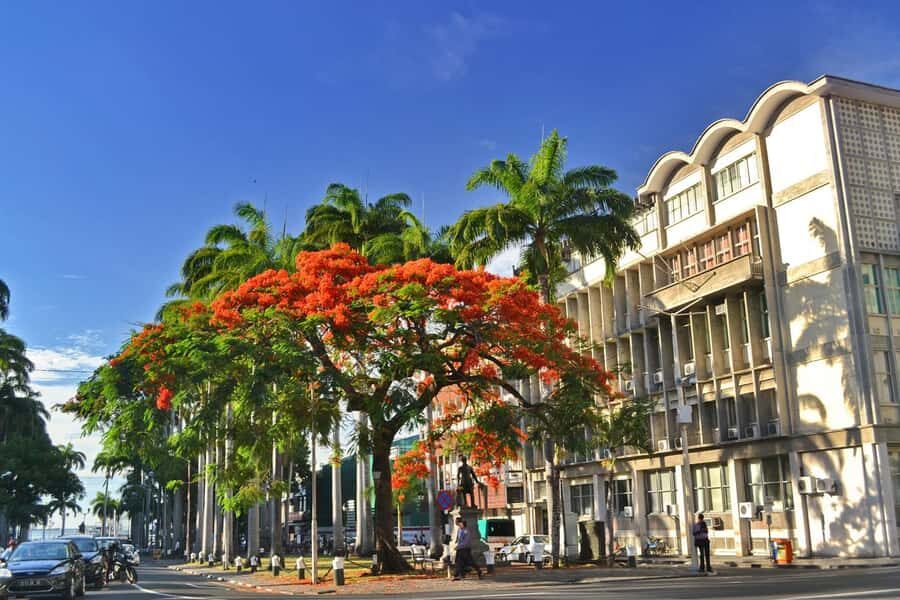
- Port Louis markets + Caudan Waterfront: You get street food vibes in the capital, then air-conditioning at the waterfront shopping.
- La Citadelle (Fort Adelaide) at 73 meters: Strong views over Port Louis, Moka ranges, and the harbor.
- Pamplemousses Botanical Garden with a guide: You’ll better match plant names to what you’re actually looking at.
- Beau Plan Sugar Estate tasting: Expect sugar-processing machines plus sampling, and rum tasting for adults.
Picking Up in the North: Private AC Ride That Saves Your Energy
This is an exclusive private-group tour for up to 4 people, with pickup from several areas around Mauritius (including Port Louis and nearby districts). That matters because Mauritius traffic and weather can be unpredictable, and an all-in-one plan helps you spend time looking at real places instead of waiting around.
Your driver is fully licensed and the vehicle is air-conditioned and insured, which I’m grateful for on a hot day—especially after a couple hours in markets or a long garden walk. You also get waiting time, so you’re not forced into a hard sprint between stops. That said, “waiting time” usually means you can take your time inside each stop, but the overall route still has to fit within the 8 hours.
If you’re the type who likes a calm pace, tell your guide early. If your pace is faster than average, you’ll still be fine—you’ll just hear more about the places you’re passing through on the way.
You can also read our reviews of more tours and experiences in Port Louis.
Port Louis Markets and Caudan Waterfront: Capital Life With a Breather
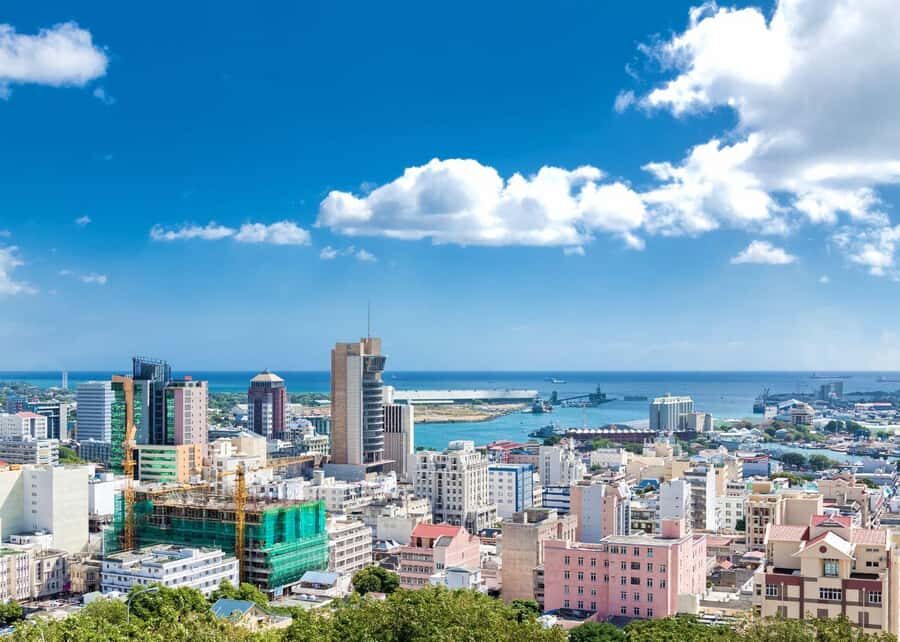
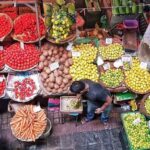
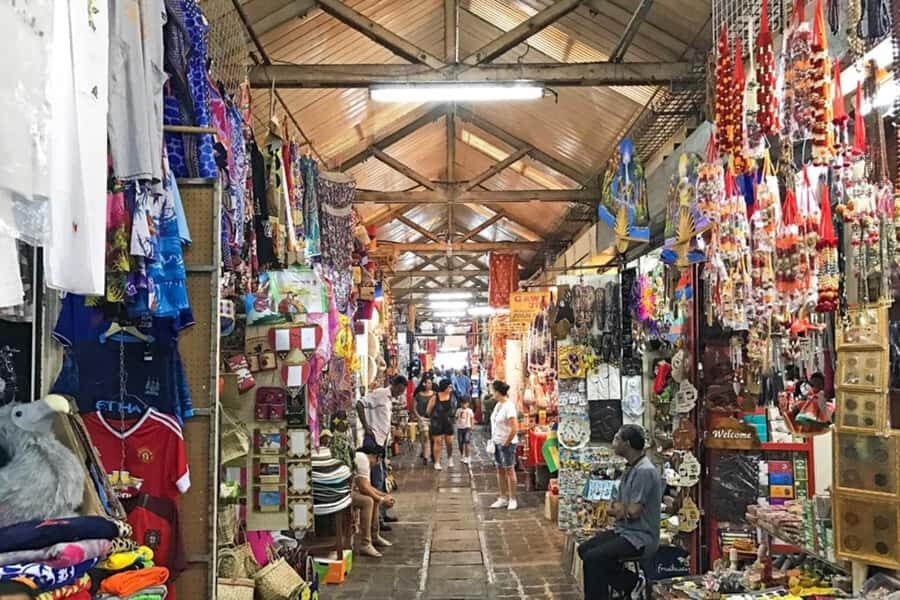
Port Louis is Mauritius’s capital on the northwest coast, and the best way to start a North tour is with the market energy. You’ll spend a couple of hours in Port Louis markets with a guided approach, plus time to taste Mauritian street food. I like starting here because it quickly gives you a feel for daily life: what people buy, how they talk, and what’s considered normal.
Then comes Caudan Waterfront and the Port Louis Waterfront Shopping complex. This is where you switch gears—less “grab-and-go” and more “walk, cool off, and browse.” You’ll find duty-free shopping, and you can choose restaurants if you want an easy, comfortable break.
Practical tip: markets are great for sensory overload, but go in with a small plan. If you’re into photos, keep an eye out for stalls that are visually consistent (spices, seafood displays, fruit). If you’re into food, ask what’s best to try and don’t overbuy at once. You can always return, but you can’t undo a too-full stomach before the fort and garden.
La Citadelle (Fort Adelaide): Moorish Arches and 360-Degree Harbor Views
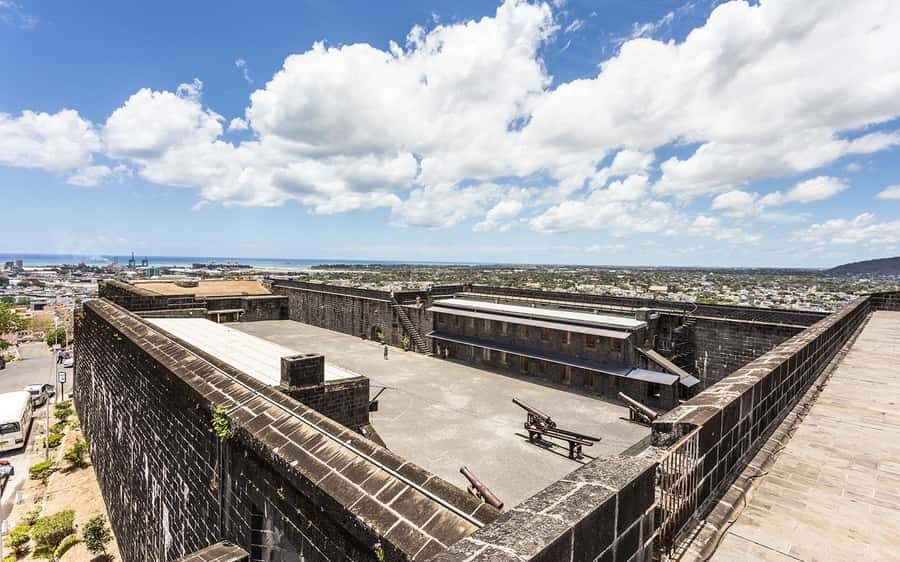
Fort Adelaide—also called La Citadelle—is the kind of stop you remember later. It’s a British fort built between 1834 and 1840 and sits about 73 meters above sea level. Even if you’re not a military-history fan, the setting is worth it because it pulls you above the city so you can see how Port Louis fits into the coast and mountains.
The fort’s design is described as Moorish style, built with huge rectangular blocks and featuring horse-shoe arches. That mix of architectural influences is exactly why this isn’t just a “look at cannons” stop. You’re actually seeing a layered history in stone.
The payoff is the view: you can take in the capital of Port Louis, the Moka mountain ranges, and the harbor. I love viewing cities from above because it instantly helps you understand distances. After La Citadelle, Port Louis feels less like a collection of streets and more like a real place with a shape.
One consideration: heat. Bring water and take breaks. If you want the best photos, plan to pause when the light changes, not when your guide moves on.
Pamplemousses Botanical Garden: Spices, Giant Tortoises, and a Guide You’ll Actually Use
Next up is the Sir Seewoosagur Ramgoolam Botanical Garden at Pamplemousses. This is one of the best stops on the tour because it’s not just pretty—it’s educational. You’ll see spice trees like camphor, cinnamon, nutmeg, and clove, along with plenty of other plant varieties.
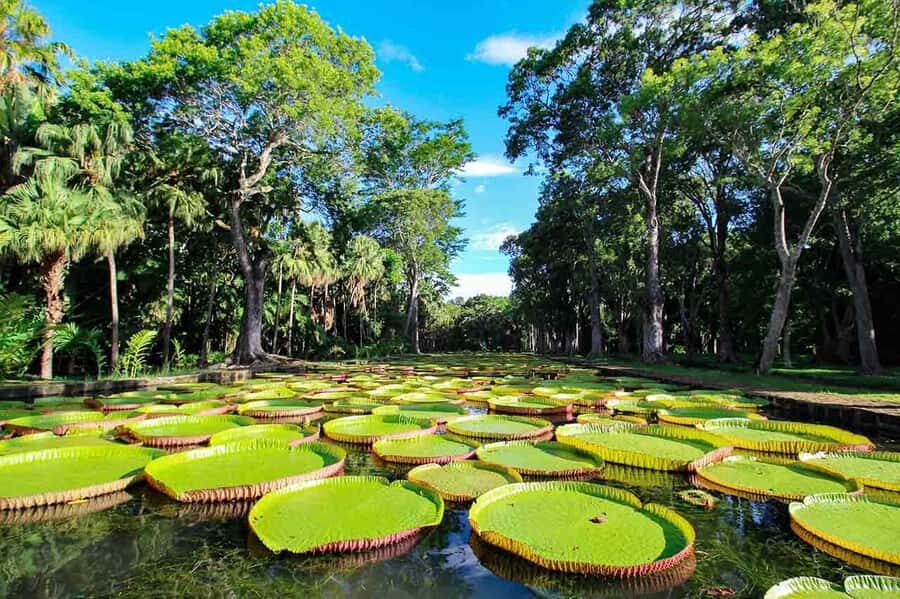
You’ll also spot animals on the grounds, including giant tortoises and deer or stags, plus ponds filled with giant waterlilies. If you’re thinking, okay, but how long does this take? You’ll find the garden pace feels natural. You stop, look closely, then move on when your brain needs a reset.
The guide here is especially useful. Plant identification in a garden can be hit-or-miss if signage isn’t clear, so having someone to connect the names to what you’re seeing saves time and makes the walk more rewarding.
You may also pass by Château Mon Plaisir and a replica of the first sugar mill. This is a smart link between Mauritius’s plant world and its sugar history—so by the time you reach the sugar estate, you’re already prepared for the bigger story.
If you’re short on time (or tempted to rush), slow down at the spice sections. That’s where the garden stops feeling like a generic walk and starts feeling like a living explanation.
Château de Labourdonnais (Optional): A Colonial House That Helps Explain the Island
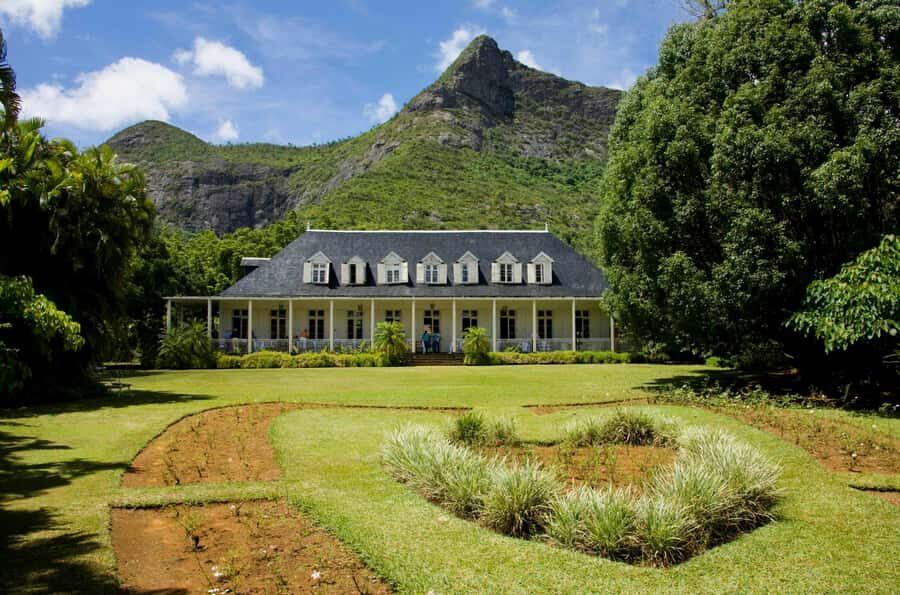
Château de Labourdonnais is optional, but if you can fit it, I’d do it. The house was built in 1856 and has been home to the Wiehe family for over 150 years. It was refurbished in 2006 and is considered one of the more cultural sites in Mauritius.
This stop is valuable because it puts the sugar story into a human context. Sugar didn’t just create industry—it created wealth, architecture, and the kind of estates that shaped much of the island’s colonial-era footprint.
If you’re choosing between skipping it or keeping it, here’s how I’d decide:
- If you like history and architecture, take the optional stop.
- If you want more time for the garden and tastings, you might treat this as flexible based on your interest level and the day’s heat.
Even as an optional add-on, it supports the overall theme: Mauritius as a place where plants, labor, and European-style estates all connect.


Beau Plan Sugar Estate and L’Aventure du Sucre: Machines, Unrefined Sugar, and Rum Tasting
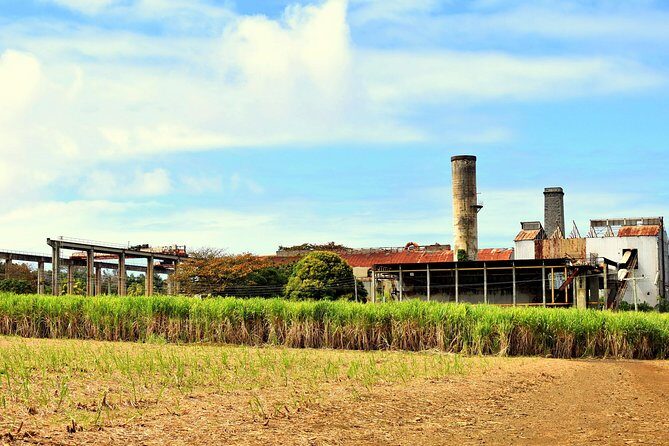
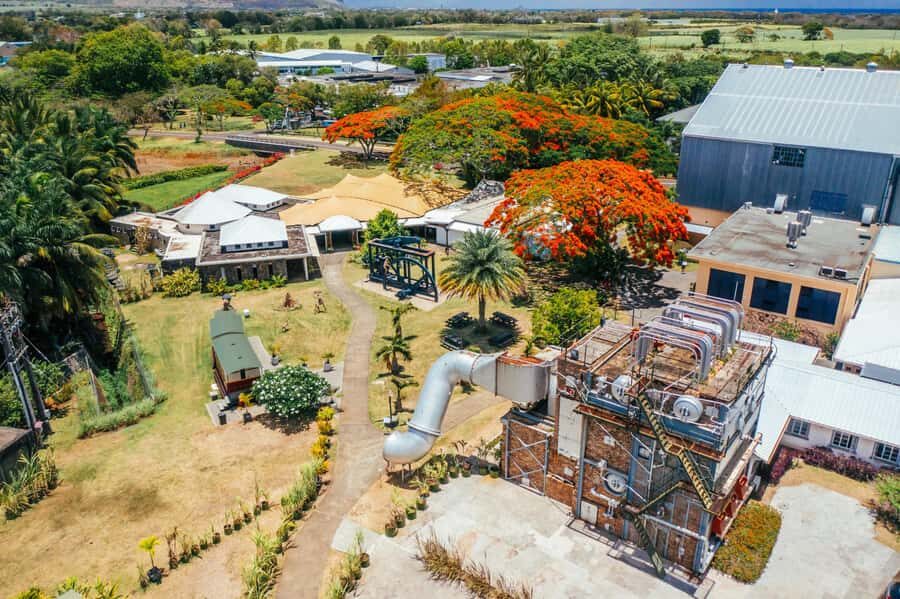
This is the part of the day that turns sightseeing into something you can feel. You’ll visit the Sugar Estate and Museum at Beau Plan Sugar Estate in Pamplemousses village, and you’ll learn about sugarcane production and the island’s evolution.
The museum gives you an overview of how sugar works beyond the final spoonful. You’ll see machines used for extraction of sugar cane, clarifiers, evaporators, vacuum pans, crystallizers, centrifuges, and even a chemistry lab. It’s the kind of information that makes you look at sugar differently afterward—less like a generic product and more like a carefully processed result.
Then comes the part you’ll talk about later: sampling. You can taste different types of unrefined sugars, which is a clever way to show that “sugar” isn’t one thing. It has different textures and flavors depending on how refined it is.
For adults, there’s rum tasting. You can sample sugar rums, spiced and aged rums, and flavored rums. This is where the North tour earns its name. You’re not just hearing about rum—you’re comparing styles.
Two tips to make the most of this stop:
- Eat something light earlier in the day if you plan to taste rum. You’ll enjoy it more.
- Pace your tastings. The temptation is to rush, but rum tasting is better when you can focus on differences.
Cap Malheureux Church Stop: Notre-Dame Auxiliatrice for a Bright, Simple Finish
The itinerary includes a visit to Notre-Dame Auxiliatrice de Cap Malheureux. This is a straightforward stop compared to the museum and fort, but it’s a smart way to reset your eyes before heading back.
I like this kind of final photo-friendly moment. After machines, gardens, and markets, a clean, scenic viewpoint helps everything feel less “one long activity” and more like a sequence of meaningful places.
Some drivers may suggest extra nearby places if time allows, but don’t count on it. The biggest focus is still the confirmed main stops.
Price and Logistics: What $90 Buys for Up to Four
At $90 per group up to 4, this tour can be a solid value—especially if you’re splitting costs with friends or family. You’re paying for:
- a fully licensed driver
- an air-conditioned private (non-sharing) vehicle
- pickup and return to your hotel or villa
- waiting time
- English or French live guidance at key stops
What’s not included is just as important: parking and entry fees, plus food and drinks. That means your final cost depends on how many paid entrances you use and what you eat on the day.
So here’s my honest value check: if you’re doing this as a pair (or with up to 4 people), you’re buying convenience and guidance. If you were to do everything yourself by taxi, you’d likely pay for multiple rides and you’d still miss the context at the garden, fort, and estate.
Also, plan around the day’s pacing. One past experience included time pressure where extra suggestions couldn’t happen because the group wanted to keep the sugar museum at their tempo. That’s a reminder: this is a guided route with a total time limit, so your best move is to choose the stops you care about most and communicate that early.
Who This North Tour Suits Best
This tour works especially well if you want a “greatest hits” North Mauritius day without switching between multiple bookings.
It’s a good match if you:
- like guided context (fort architecture, garden plant names, sugar processing)
- want both nature and culture in one go
- enjoy food and tastings, including rum for adults
- value comfort and time savings from a private pickup-and-drop approach
It might be less ideal if you prefer very free time, zero paid entrances, or a highly talkative guide. The guide style can vary—some people will get more explanation than others—and the best way to handle that is simple: ask what’s next and how long you have at each stop.
One more practical note: pickup failures happen in the travel world. If you book, confirm your pickup time and location ahead of the day, and make sure your driver can reach you quickly.
Should You Book This North Tour?
I’d book this tour if you want a tight, well-paced intro to North Mauritius that includes real culture and real production—markets, views from La Citadelle, the Pamplemousses garden with guidance, and the Beau Plan sugar and rum tasting. The combination is the value: you’re not just seeing places, you’re learning how Mauritius ticks.
If you’re budgeting carefully, go in knowing that entry fees and meals are on you. And if you dislike schedule pressure, communicate your pace early—especially around the sugar estate and gardens, where the good stuff takes time.
Bottom line: for up to four people, $90 for a private, air-conditioned driver with guided highlights is a fair deal, as long as you’re comfortable handling paid entrances and you’re ready for a full day in the sun.
FAQ
How long is the Mauritius exclusive North tour with pickup?
The duration is 8 hours.
How many people is the tour for?
It’s a private group for up to 4 people per group.
Where does pickup and drop-off happen?
Pickup and drop-off are available from multiple districts, including Port Louis, Pamplemousses, Moka, Flacq, Rivière Noire, Grand Port, Plaines Wilhems, Savanne, and others listed in the pickup options.
What languages is the live tour guide available in?
The guide is available in English and French.
Is food included in the price?
No. Food and drinks are not included.
Are entry fees included?
Parking and entry fees are not included.
What’s included in the transportation?
You get a fully licensed driver and a private, air-conditioned, insured vehicle with pickup from and return to your hotel or villa.
Is rum tasting included?
Rum tasting is available for adults during the Sugar Estate and Museum visit.